Cherokee Nation Opens $150M Treatment Center with Culture
The Cherokee Nation is building a groundbreaking treatment center that weaves centuries-old tribal traditions into addiction recovery. Funded by opioid settlement money, the facility will be the first tribe-owned center offering free care to 450,000+ citizens.
After Ashley Caudle had to restock the free Narcan outside her Oklahoma storefront almost daily last year, she knew her community needed more help. Now, the Cherokee Nation is answering that call with something no tribal member has had access to before: a treatment center built by Cherokees, for Cherokees.
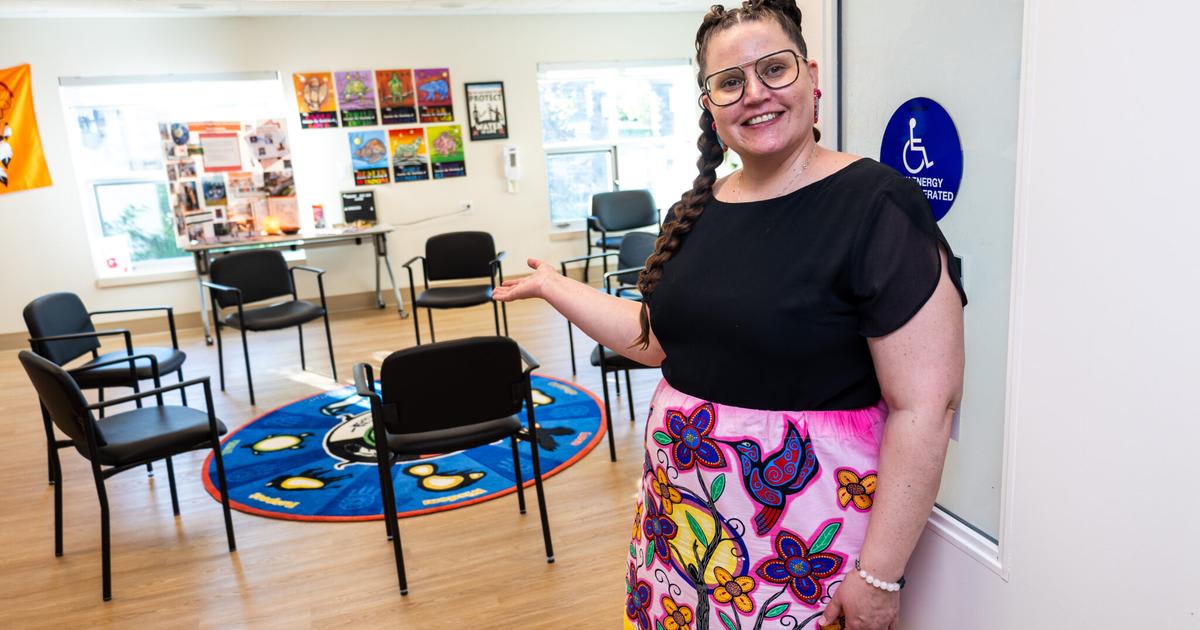
The tribe is opening a 45,000-square-foot residential treatment center in Tahlequah, Oklahoma, that makes culture the cornerstone of recovery. Patients will play stickball, an ancient Cherokee game. They'll grow selu, or corn, in on-campus gardens and greet each sunrise from a building designed to face east, according to tribal tradition.
The $150 million facility comes from settlements the Cherokee Nation won after becoming the first tribe to sue opioid manufacturers back in 2017. Principal Chief Chuck Hoskin Jr. said the tribe learned its lesson after missing out on tobacco litigation in the 1990s and wasn't going to sit on the sidelines again.
That decision is saving lives. Between 2020 and 2024, more than 1,000 people died from opioids in the 14 counties that make up Cherokee Nation territory. Native Americans now face higher opioid-related death rates than any other group, especially since fentanyl took hold during the pandemic.
The new center will provide 100 inpatient beds and outpatient care at no cost to tribal citizens. Right now, the tribe refers 50 to 70 people each month to outside facilities. Soon, they'll have their own.
The Ripple Effect
Juli Skinner, senior director of behavioral health for Cherokee Nation and a citizen of the Ponca Tribe, calls culture "a protective factor" that helps people heal from historical trauma. For decades, Native Americans lost their languages and traditional ways. This center brings those lifesaving traditions back into recovery.
The facility includes a sweat lodge, meditation spaces, a gym, and windows overlooking rolling hills where cattle graze. Cherokee language experts are even creating a proper name for the center in their native tongue.
Hoskin Jr. sees the investment as existential. Many opioid deaths happened in rural areas where Cherokee language and culture remain strongest. Without these people, the Cherokee way of life disappears.
The center will be one of three locations on the reservation offering intensive outpatient care. For tribal members who've waited years for culturally grounded treatment, help is finally coming home.
More Images
Based on reporting by Google News - New Treatment
This story was written by BrightWire based on verified news reports.
Spread the positivity!
Share this good news with someone who needs it