Chewing Gum Cuts Cancer Virus Levels by 93%
Scientists created a special chewing gum that slashed HPV levels by up to 93% and nearly eliminated two dangerous bacteria linked to head and neck cancer. The treatment leaves healthy mouth bacteria untouched, offering hope for a safer, more affordable way to fight cancer.
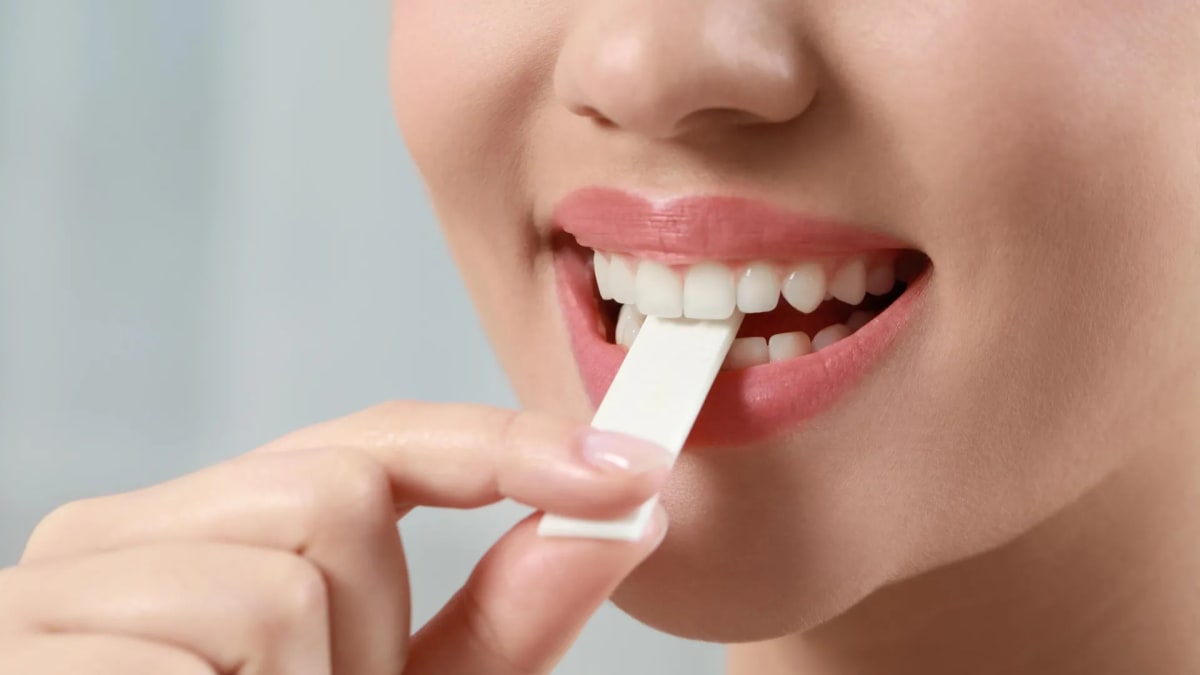
A bioengineered chewing gum just became an unexpected weapon against head and neck cancer, wiping out dangerous viruses and bacteria while protecting the good microbes your mouth needs.
Researchers at the University of Pennsylvania developed the gum using proteins from lablab beans. In tests with oral samples from cancer patients, the gum extract reduced HPV (human papillomavirus) by 93% in saliva and 80% in oral rinse samples.
Head and neck squamous cell carcinoma affects the tissues lining your mouth and throat. It's aggressive, and when caught late, outcomes are often grim.
Lead researcher Henry Daniell points to a troubling pattern. Recently approved cancer medications haven't dramatically improved patients' lives or five-year survival rates, making new treatment approaches urgently needed.
The gum targets three specific troublemakers. HPV causes a global surge in throat cancers, while two bacteria (Porphyromonas gingivalis and Fusobacterium nucleatum) make survival rates worse even after surgery and supplemental therapies.
Here's where the science gets exciting. The team engineered a version of the gum containing protegrin, an antimicrobial peptide that kills harmful bacteria.
A single dose brought both bacterial species down to nearly zero. Traditional radiation therapy does the opposite, killing helpful bacteria while allowing disease-causing yeast to flourish.
Why This Inspires
This gum doesn't just attack the bad guys. It preserves the beneficial bacteria that keep your mouth healthy, something current treatments struggle to achieve.
That selectivity opens doors beyond treatment. Doctors could use it as a preventive measure to stop infections before they start or as an additional therapy alongside chemotherapy and radiation.
The potential impact stretches across age groups. Lip and oral cavity cancer ranked as the seventh leading cancer type worldwide in 2022 among adolescents, young adults, and middle-aged people.
Daniell and his team believe their findings justify moving to clinical trials. The gum could become both a companion to current treatments and a shield against infection and transmission.
The research received funding from the National Institutes of Health and the National Cancer Institute. The team published their findings in Scientific Reports this month.
What started as a simple idea about chewing gum might transform how we prevent and treat one of the world's most challenging cancers, one piece at a time.
Based on reporting by Google News - Health
This story was written by BrightWire based on verified news reports.
Spread the positivity!
Share this good news with someone who needs it