Chicago Neighbors Launch Petition to Reclaim Sidewalks
A Chicago neighborhood is pushing back against delivery robots crowding their sidewalks, collecting over 3,300 signatures and nearly 1,000 incident reports. The grassroots effort shows communities taking charge of their public spaces before tech rollouts go too far.
When Josh Robertson's family had one too many close calls with delivery robots in their Chicago neighborhood, he did something powerful. He started a petition called "No Sidewalk Bots."
Over 3,300 neighbors signed it. Nearly 1,000 of them shared their own stories of problems with the robots.
The petition reveals a pattern of issues. People reported getting their feet run over by 220-pound robots, near-collisions with strollers, blocked entryways, and unwanted noise. One person needed stitches after stumbling into a robot's visibility flag.
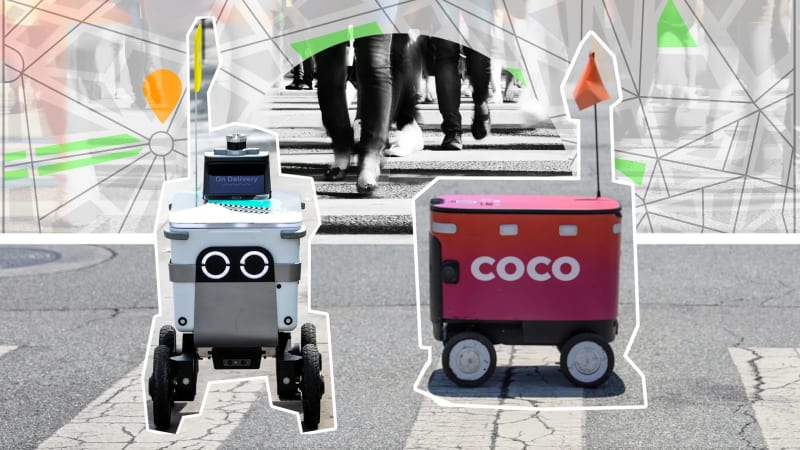
What started as a novelty has become a community concern. The colorful robots from companies like Coco and Serve Robotics appeared charming at first, waiting patiently at crosswalks and carrying food deliveries. But months of sharing sidewalks with the autonomous vehicles revealed real safety problems.
Robertson's simple message resonates: "Sidewalks are for people. Vehicles, in general, should be in the streets."
The Ripple Effect
This neighborhood petition represents something bigger than just one community's frustration. It shows regular people successfully organizing to shape how technology enters their lives, rather than accepting every innovation without question.
The petition became the first of its kind in cities where these robots operate. It's giving other communities a roadmap for speaking up before thousands more robots roll out across dozens of cities, as the companies plan.
These neighbors aren't rejecting progress. They're asking the right questions about who our public spaces serve. They're proving that communities can set boundaries around new technology when it affects shared spaces like sidewalks.
The Fast Company article framed this as a coming conflict, but Robertson's neighbors are writing a more hopeful story. They're demonstrating that democracy works when people engage early, organize thoughtfully, and speak clearly about what matters to them.
Their success shows other neighborhoods they don't have to accept every tech company's vision for their streets. Public spaces belong to the public, and communities have every right to protect them.
This Chicago neighborhood is proving that the best innovation happens when companies listen to the people who actually live with their products every day.
More Images

Based on reporting by Fast Company
This story was written by BrightWire based on verified news reports.
Spread the positivity!
Share this good news with someone who needs it
%2Ffile%2Fattachments%2Forphans%2FKyran-HappyValley5_937144.jpg)