Chicago Zoo Races to Save Polar Bears Through Breeding Program
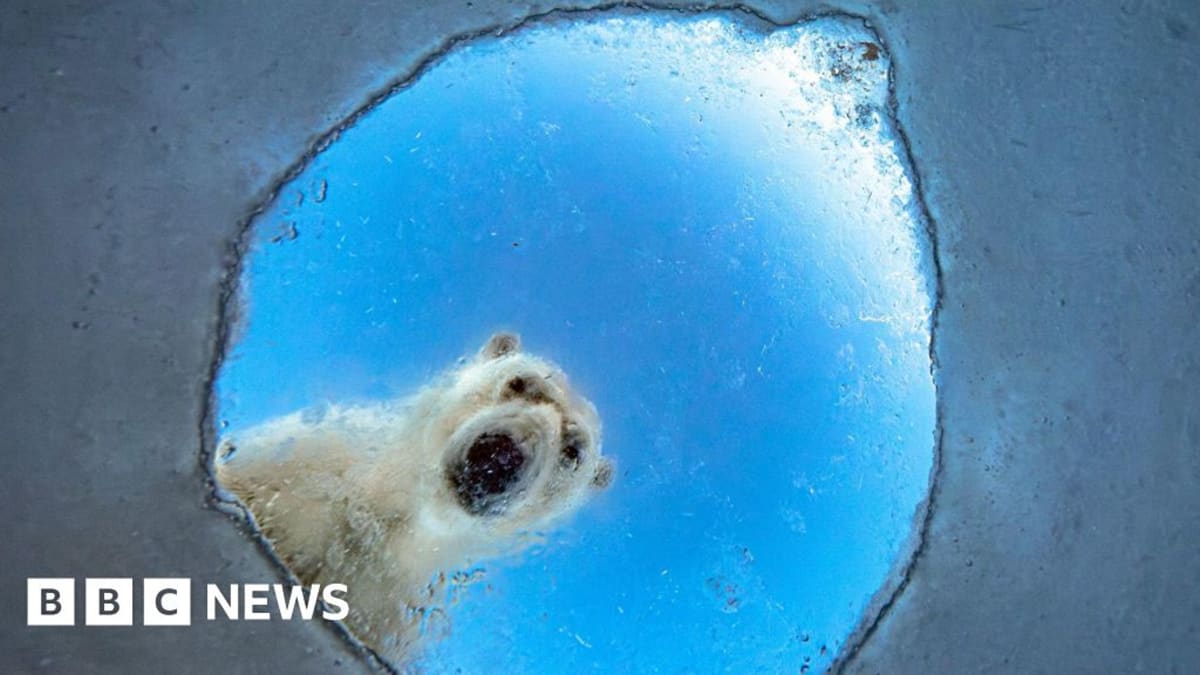
When polar bears Amelia Gray and Hudson touched noses at Brookfield Zoo last fall, their connection sparked hope for a groundbreaking research program. Scientists are racing to understand polar bear reproduction before climate change and habitat loss make it too late.
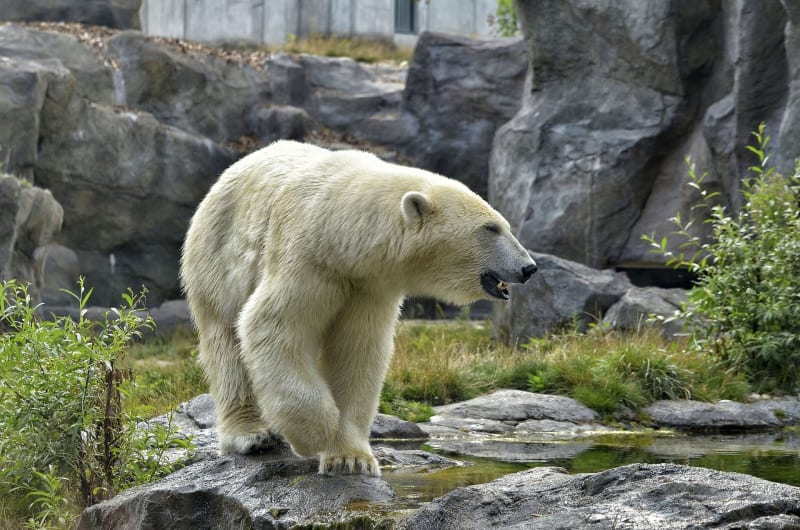
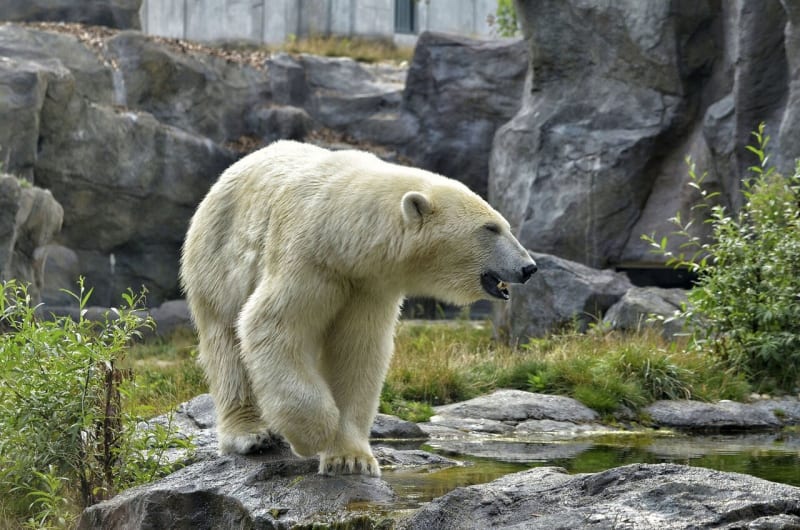
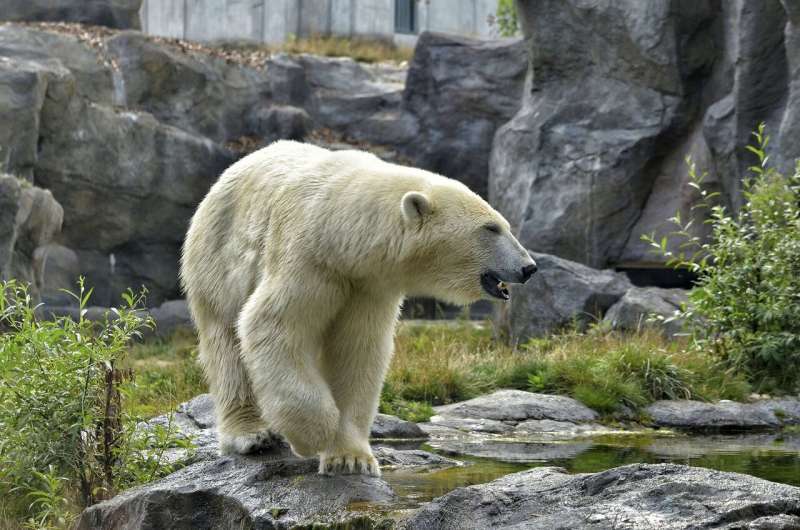
When Amelia Gray and Hudson met at Chicago's Brookfield Zoo last fall, something magical happened. The two polar bears touched noses, made soft chuffing sounds, and played together in the pool, giving scientists hope that their connection could help save an entire species.
The zoo is leading the Polar Bear Population Alliance, a coalition of institutions working to understand how these magnificent animals reproduce and raise their young. By studying captive polar bears like Amelia Gray and Hudson, researchers can learn what mothers need to successfully raise cubs, knowledge that's nearly impossible to gather in the harsh Arctic wilderness.
The research has taken on new urgency as polar bear populations face mounting threats. Rising temperatures have already melted the sea ice these animals need to hunt seals, and their numbers have been rapidly declining since they were classified as vulnerable in 2006.
"We could conceivably lose this species from the face of the Earth in the next 100 years," said Mike Adkesson, the zoo's president and CEO. But instead of accepting that grim possibility, his team is fighting back with science.
At Brookfield Zoo, the polar bears voluntarily participate in research, offering their paws for blood draws and opening their jaws for mouth swabs. They're trained multiple times daily to take part in their own medical care, making the research possible without stress or harm.
The coalition's goal is ambitious but achievable: provide science-backed guidelines to protect critical polar bear habitats. They're studying how diet changes affect reproduction, what terrain makes ideal maternal dens, and how breeding behaviors unfold naturally.
The Ripple Effect
This research extends far beyond two polar bears in Chicago. The findings will help conservation efforts across the Arctic, informing protective measures for wild populations and their habitats.
Every blood sample, every behavioral observation, and every potential cub born at participating zoos adds crucial data to our understanding of polar bear biology. This knowledge helps wildlife managers make better decisions about protecting denning areas and minimizing disturbances during critical breeding periods.
The collaboration brings together expertise from multiple institutions, accelerating discoveries that would take decades to achieve through field research alone. When Hudson and Amelia Gray interact, scientists observe courtship behaviors rarely seen up close, learning patterns that can identify successful breeding conditions in the wild.
Rita Stacey Vondra, who leads the zoo's animal care team, put it simply: "Extinction is forever, and we'll never get this species back if we don't do something." Her team is doing something, and they're not alone.
The Polar Bear Population Alliance represents a new model for conservation, one where zoos become living laboratories for saving species before it's too late.
Scientists now have the tools, the knowledge, and the determination to make a difference for polar bears.
More Images

Based on reporting by Phys.org
This story was written by BrightWire based on verified news reports.
Spread the positivity!
Share this good news with someone who needs it