Chicago's South Side Gets Solar Power for 1,000 Homes
A new clean energy project is bringing solar panels, EV charging stations, and powered workstations to Chicago's South Side, with one microgrid now powering 1,000 homes and emergency services. The initiative focuses on communities hit hardest by climate change, making clean energy accessible where it's needed most.
Parents watching their kids play tennis in Chicago's Washington Park neighborhood can now charge their phones using power from the sun, and it's just the beginning of a clean energy transformation sweeping the South Side.
ComEd's new initiative has installed solar-powered workstations at XS Tennis Village where anyone can charge devices or work outdoors. Tennis coach Yazid Benchegra says parents love having a useful spot to wait while their kids compete on the courts.
The charging stations are part of something much bigger. ComEd has launched seven solar charging sites across the South Side, all focused on bringing clean energy access to communities that need it most.
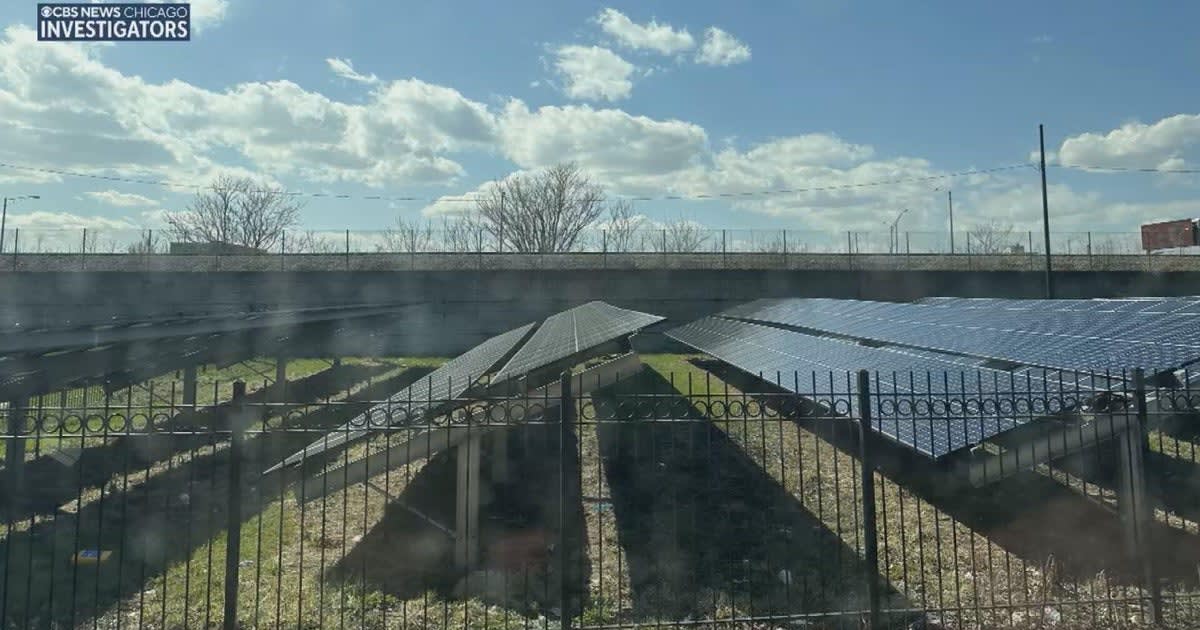
The crown jewel is the Bronzeville Community Microgrid, which uses solar panels to power 1,000 homes and businesses, plus the local police and fire stations. If a major storm hits, the community can disconnect from the main grid and keep the lights on using solar power alone.
"We know that, historically, these communities have suffered the most from the impacts of climate change," says Cristina Botero, who leads the project for ComEd. That's why they're prioritizing these specific neighborhoods for green infrastructure.
The initiative also tackles a major barrier to electric vehicle ownership. ComEd installed public curbside EV chargers for drivers who don't have private garages, a common situation for renters and apartment dwellers on the South Side.
The Ripple Effect
This project solves multiple problems at once. Low-income residents often can't install private charging stations because they rent their homes. Public charging options have been scarce in these neighborhoods, making EV ownership impractical even for those who could afford the vehicles.
Now these communities get both immediate benefits and long-term resilience. Students have places to study outdoors with reliable power. Families can charge devices while kids play sports. And if disaster strikes, essential services stay online when the rest of the city goes dark.
Benchegra hopes these visible signs of clean energy will inspire residents to push for more sustainable solutions in their neighborhoods.
The South Side is showing Chicago what an equitable energy future looks like, one solar panel at a time.
Based on reporting by Google News - Clean Energy
This story was written by BrightWire based on verified news reports.
Spread the positivity!
Share this good news with someone who needs it