Chile Cuts Air Cargo Emissions 10% with Salmon Flight
A Chilean salmon exporter just completed the first carbon-reduced premium seafood flight to the U.S., cutting emissions by 10% using sustainable aviation fuel. The March 2026 shipment proves the food export industry can decarbonize without sacrificing quality or speed.
Three tons of premium salmon just made history flying from Chile to the United States with a significantly smaller carbon footprint than ever before.
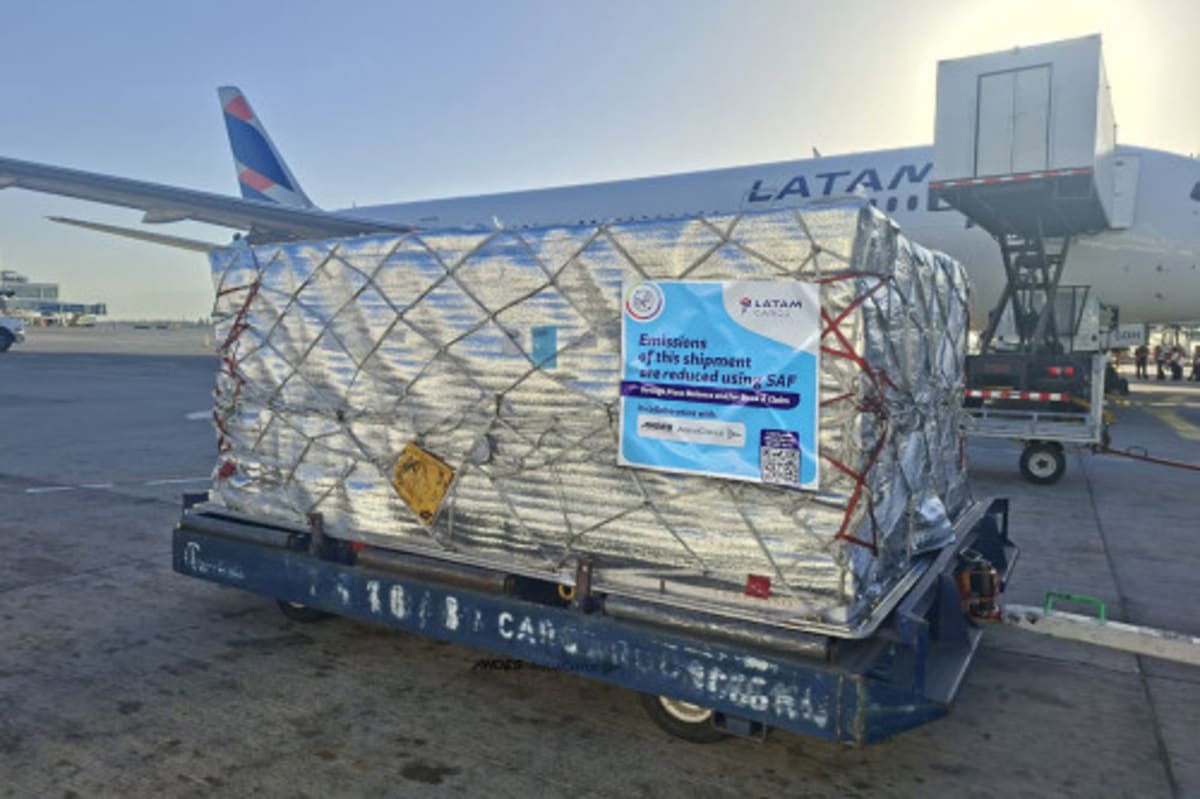
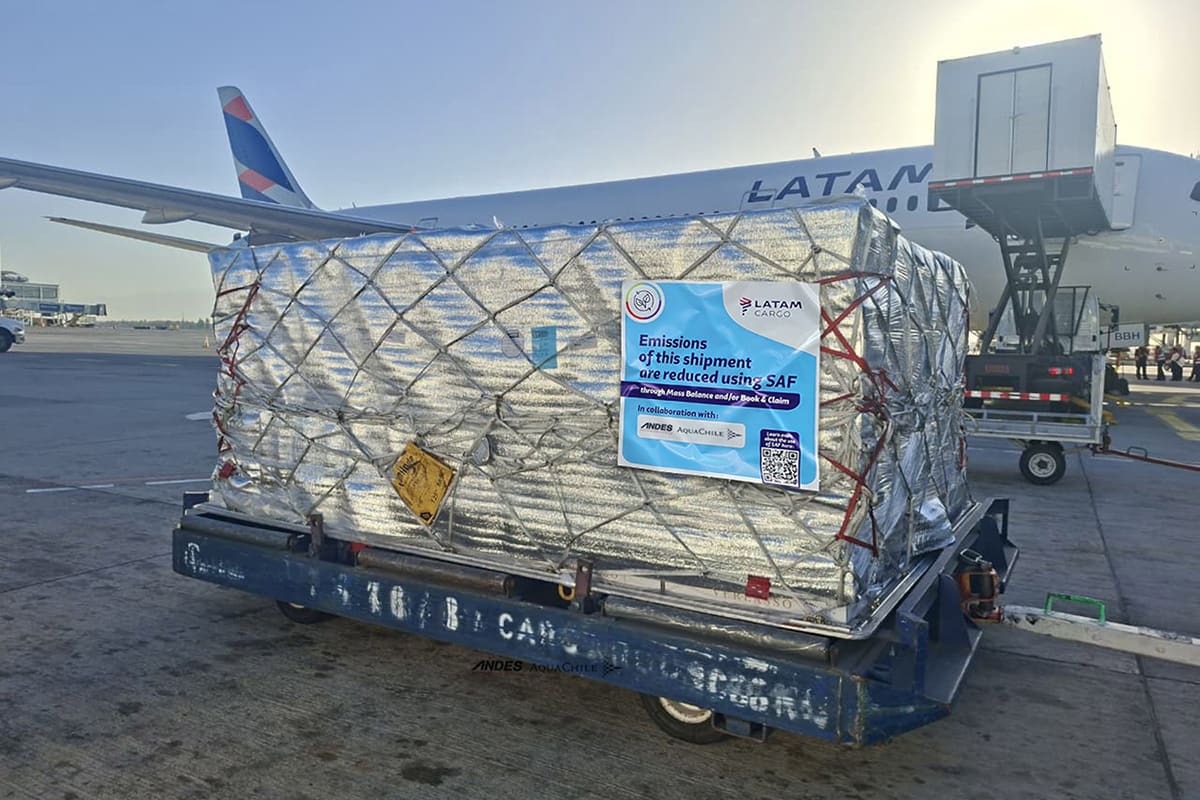
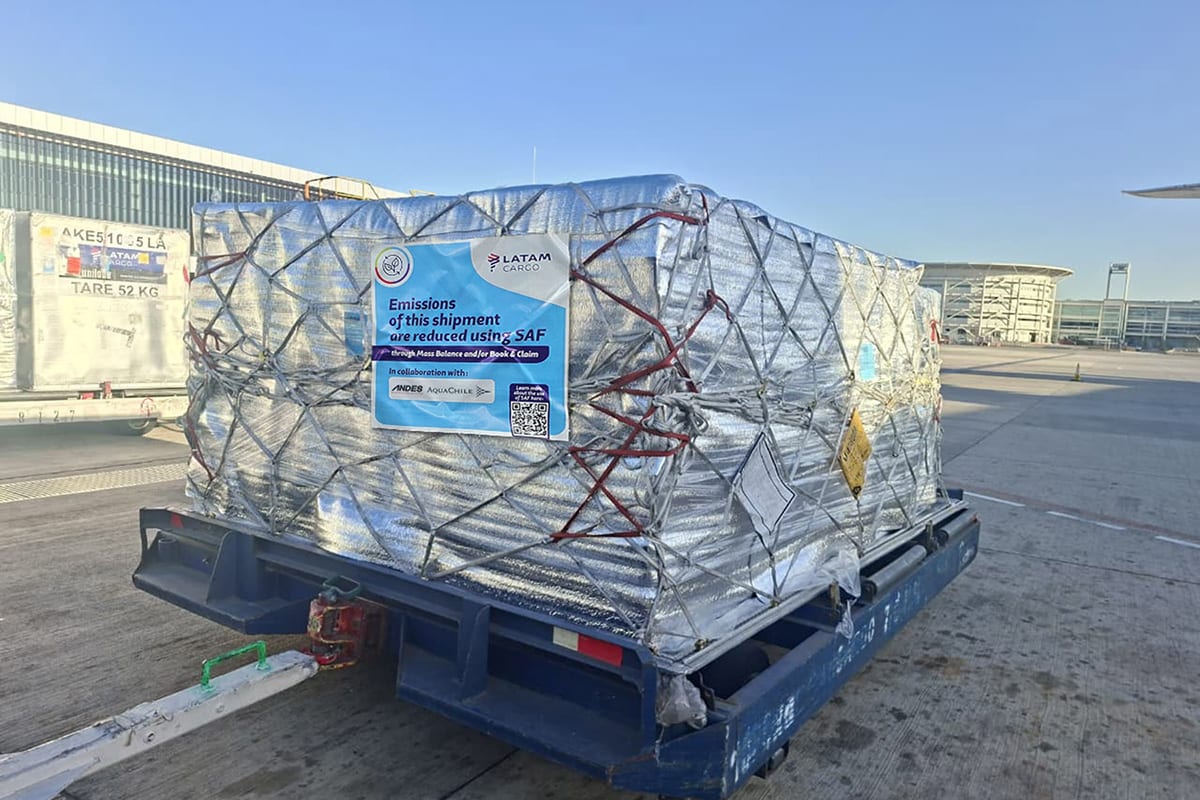
On March 7, 2026, salmon exporter AquaChile partnered with LATAM Cargo Group and logistics company Andes Integración Logística to complete South America's first certified low-emission seafood flight. The shipment cut CO₂ emissions by 10%, removing 0.6 tons of carbon from the atmosphere compared to a conventional flight.
The secret ingredient? Sustainable Aviation Fuel, or SAF, made from animal waste residues. LATAM Cargo allocated more than 350 liters of this cleaner fuel to the shipment through a system called Book & Claim, which certifies emission reductions even when the sustainable fuel isn't physically on that specific flight.
The fuel itself cuts emissions by nearly 75% compared to traditional jet fuel. That's a massive improvement that could reshape how fresh food travels across continents.
"This shipment demonstrates that the decarbonization of air cargo is possible when the entire logistics chain works in tandem," said Cristina Oñate, Product Sustainability Manager at LATAM Cargo Group. The company plans to expand access to sustainable fuel options so more South American exporters can reduce their carbon footprints.
For Chile, this milestone carries extra weight. The country's export economy depends heavily on getting fresh seafood and produce to distant markets quickly, which traditionally meant high emissions. Now there's a proven path forward.
The Ripple Effect
This single shipment creates waves far beyond one planeload of fish. It proves that three key players in the supply chain can work together toward climate goals without compromising service quality or delivery speed.
Freight forwarder Andes Integración Logística sees its role expanding beyond moving boxes. "We accompany our clients in fulfilling their sustainability goals," said Director Jan-Henrik Hertel. "The logistics chain can be an active tool for decarbonization."
For importing countries like the United States, this matters too. As consumers demand lower-carbon food options, exporters who can certify reduced emissions gain a competitive edge. Markets in Europe and North America increasingly favor suppliers who can prove their environmental commitments with traceable data.
The collaboration also sends an important signal about regional fuel development. As demand for sustainable aviation fuel grows in South America, opportunities increase for local production, potentially creating new green industries across Chile and neighboring countries.
LATAM Cargo plans to scale this solution across different products and routes. What started as one salmon shipment could become standard practice for Chilean wine, berries, and other time-sensitive exports heading to premium markets worldwide.
Fresh food will keep flying, but now it can fly cleaner.
More Images
Based on reporting by Google News - Emissions Reduction
This story was written by BrightWire based on verified news reports.
Spread the positivity!
Share this good news with someone who needs it