Chile EV Sales Triple After Gas Hits $6.40 Per Gallon
Rising gas prices pushed Chile's electric vehicle sales to nearly 10% market share in just three months. The country that pioneered electric buses in Latin America is finally seeing everyday drivers make the switch.
📺 Watch the full story above
When gas prices jumped from $4.95 to $6.40 per gallon, Chilean drivers had enough. Electric vehicle sales nearly tripled in April 2026, pushing the country's EV market share to almost 10% for the first time ever.
Chile spent years building the foundation for an electric future. The country created Latin America's most comprehensive charging network, passed pro-EV legislation, and built the world's second-largest electric bus fleet behind only China.
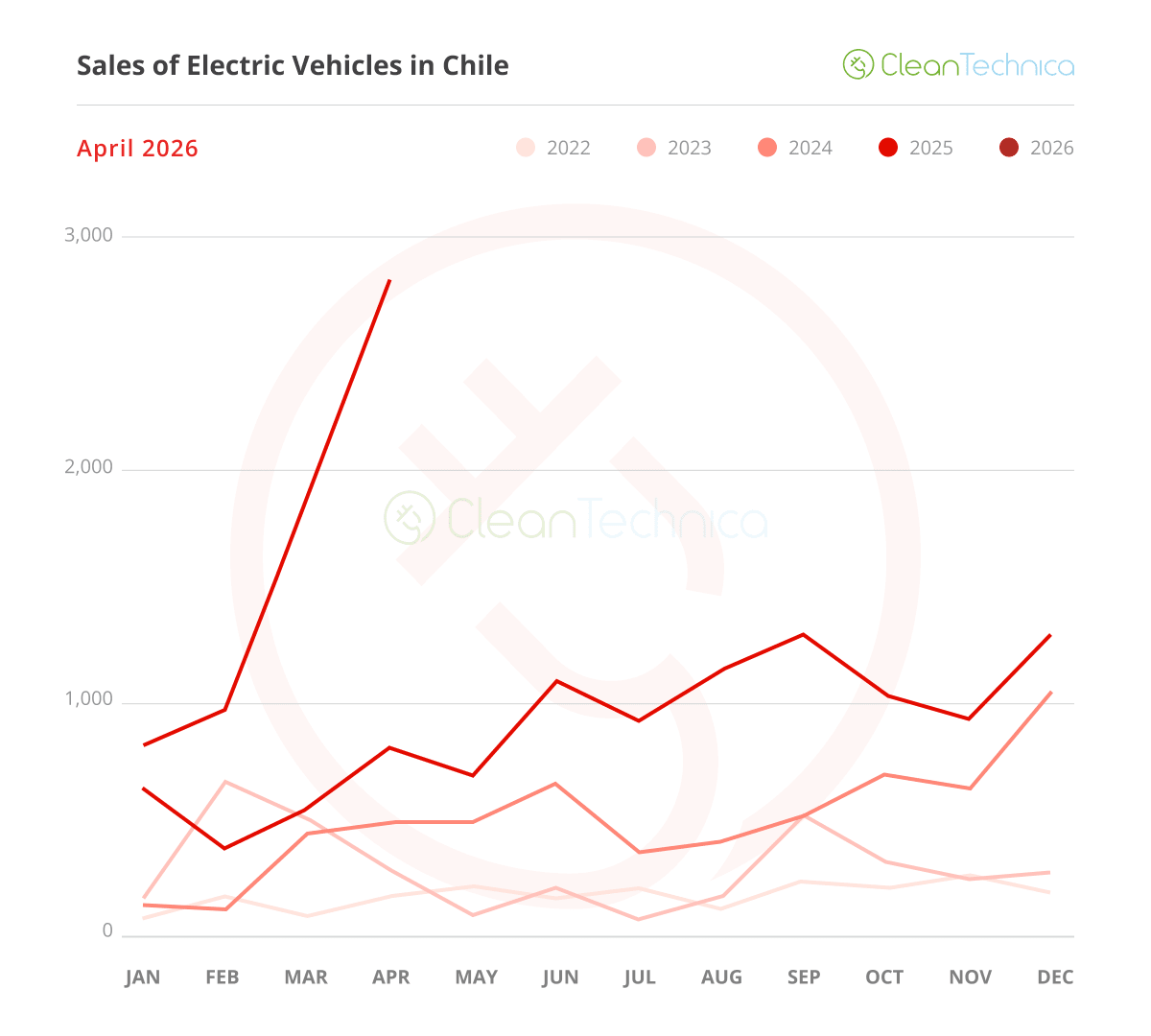
Yet regular passenger cars lagged behind. Market share crept from just 2% in early 2024 to 3.3% by the end of 2025, puzzling observers who expected faster adoption in a country that imports nearly all its oil.
Then geopolitical tensions drove fuel costs even higher. Chilean drivers, already paying some of the continent's highest gas prices, watched costs jump 30% almost overnight.
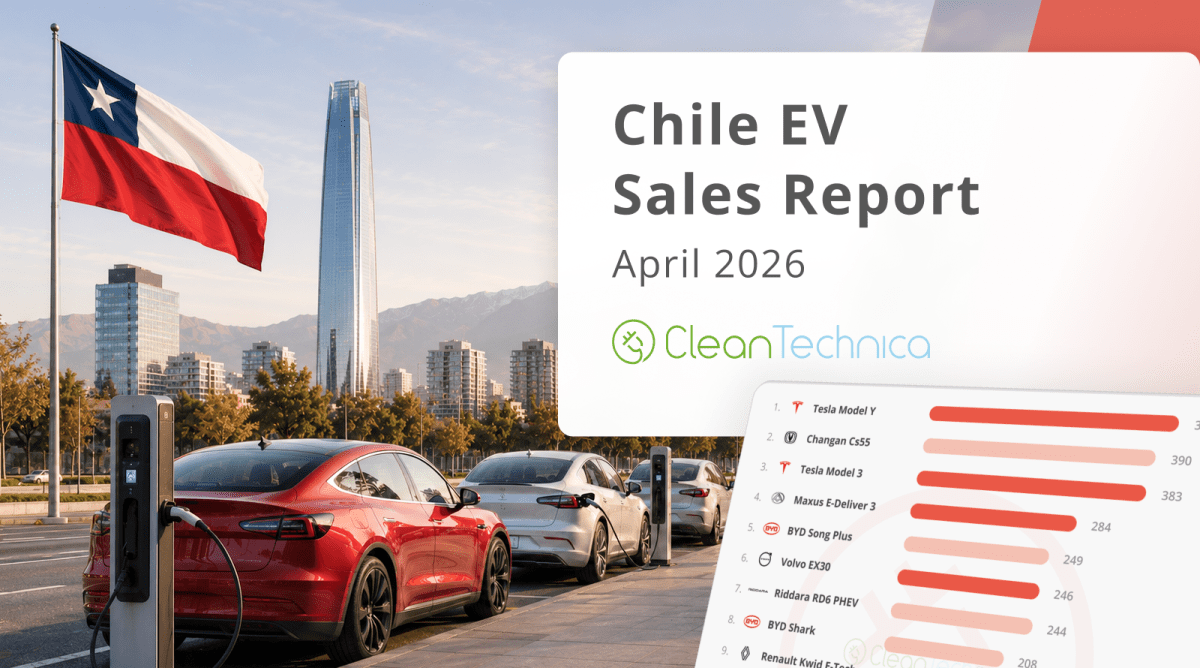
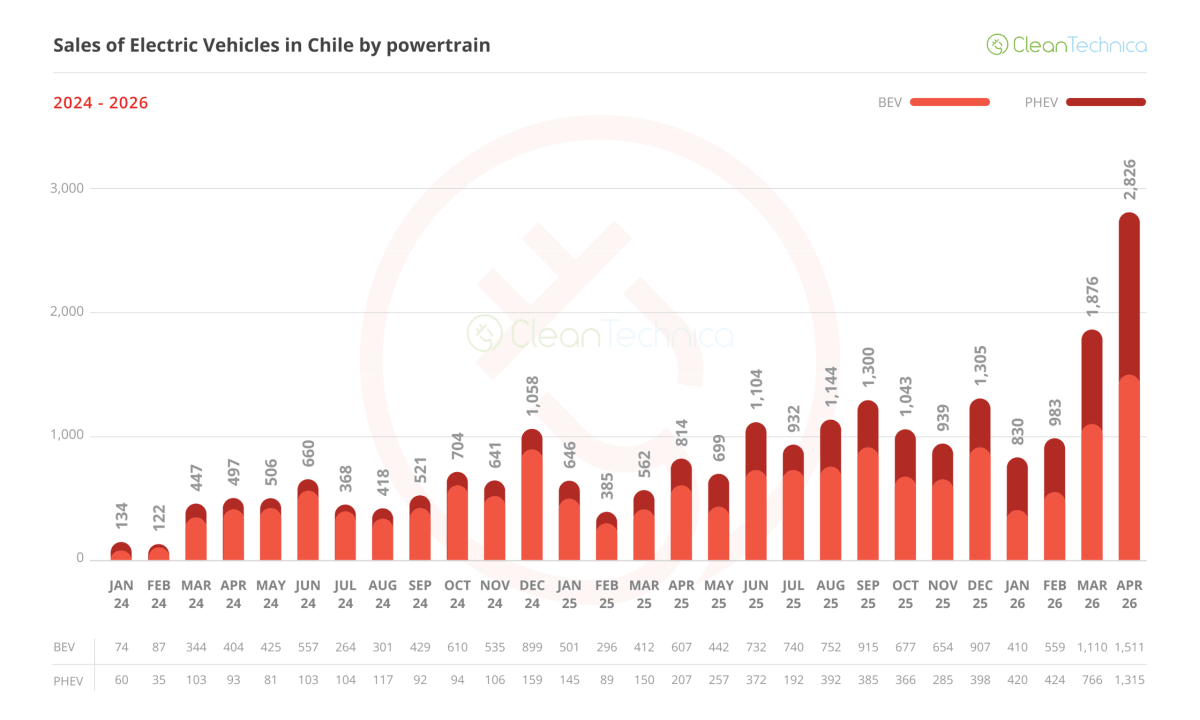
The response was immediate. EV sales hit nearly 3,000 units in April alone, marking the highest month ever recorded. March and April together shattered all previous sales records as frustrated drivers sought relief at the pump.
The shift revealed another surprise. Plug-in hybrids exploded with 535% year-over-year growth, while pure battery electric vehicles grew a still-impressive 150%. The market split nearly 50-50 between the two technologies, a dramatic change from the previous year's 75% battery-electric preference.
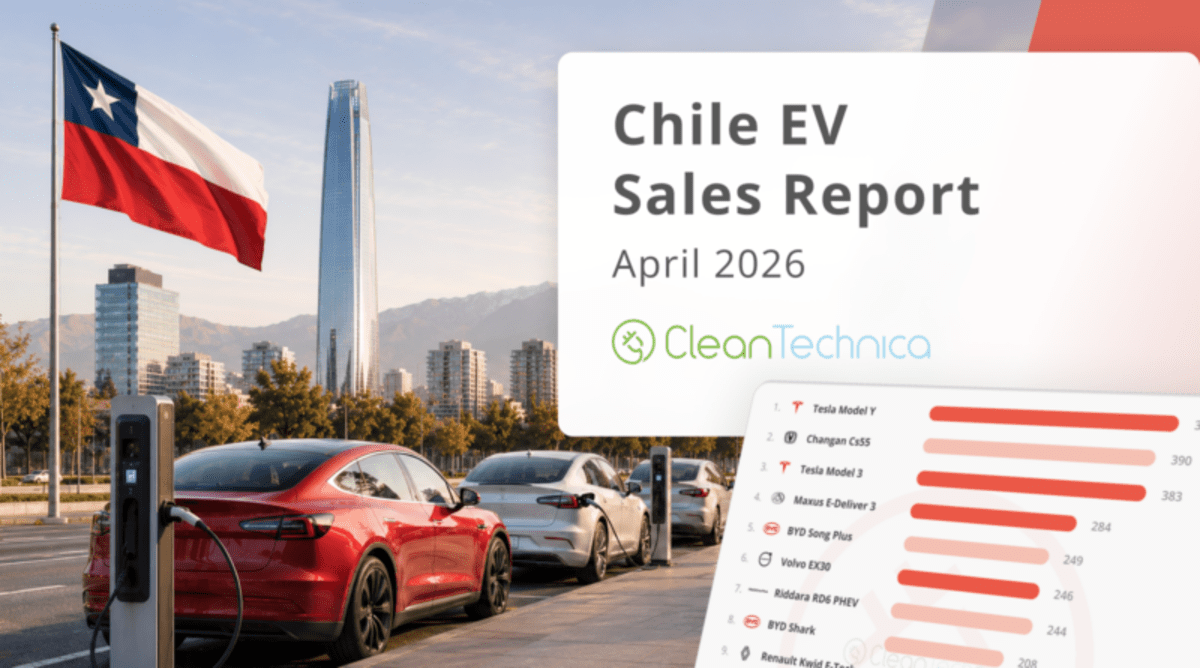
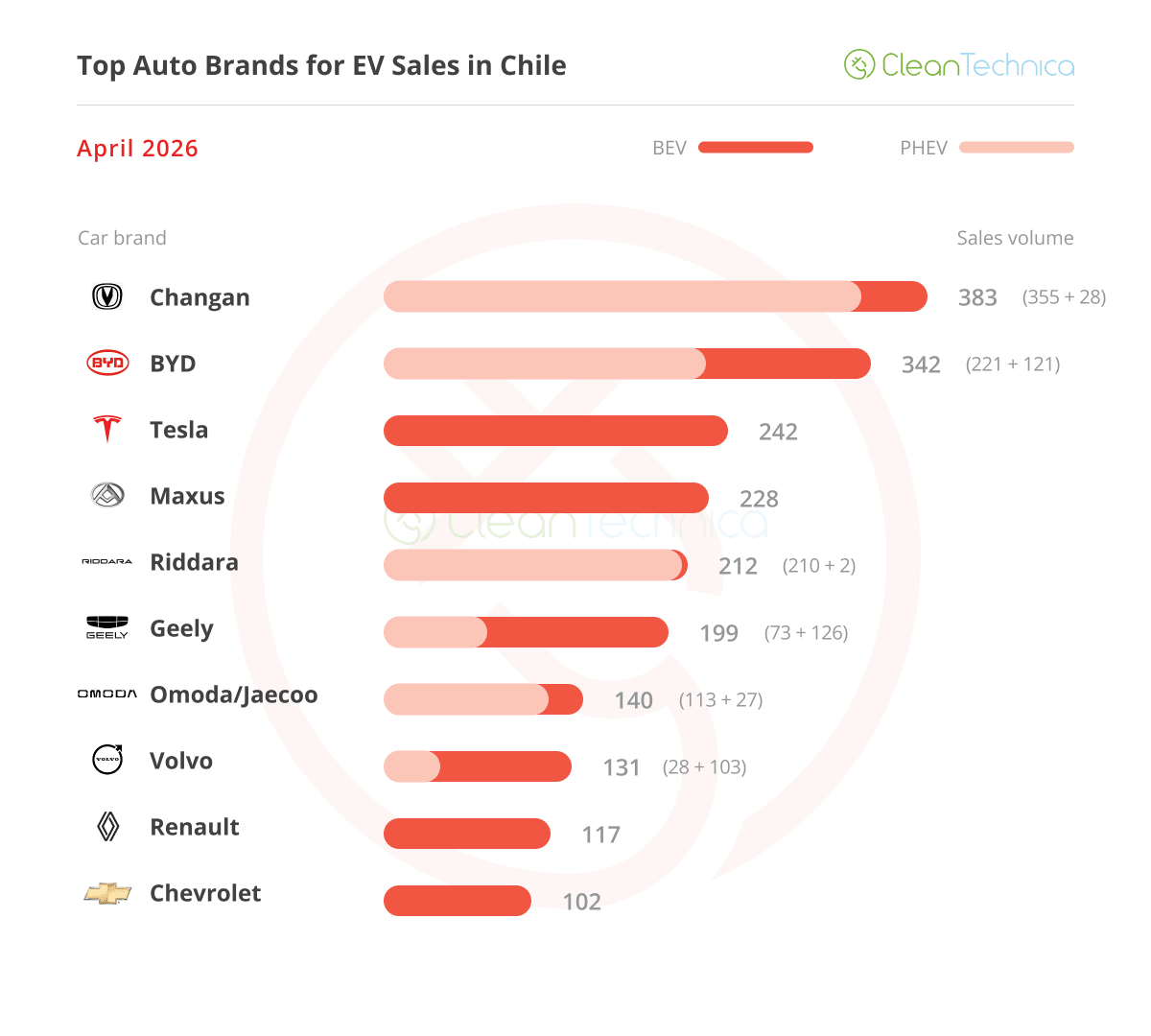
Chinese automaker Changan emerged as an unexpected leader, winning customers with its affordable CS55 plug-in hybrid. BYD and Tesla rounded out the top three, while Renault became the only non-Chinese or Chinese-owned brand in the top rankings with its Kwid E-Tech.
The Ripple Effect
Chile's comprehensive efficiency regulations, requiring importers to meet rising fuel economy standards, created the framework. But consumer pain at the pump provided the final push needed to accelerate adoption.
The country's competitive market offers more variety than neighbors like Colombia, where the top-selling model outsells number ten by 20 times. In Chile, that gap is just 2 to 1, giving buyers genuine choice across price points and vehicle types.
Geography matters too. Chile produces almost no oil domestically, making every price spike an economic vulnerability that touches millions of wallets simultaneously.
The transformation from 3% to nearly 10% market share in just four months proves that infrastructure alone doesn't drive adoption. When economic incentives align with available options, change happens fast.
More Images
Based on reporting by CleanTechnica
This story was written by BrightWire based on verified news reports.
Spread the positivity!
Share this good news with someone who needs it