Chile Launches Pilot to Make Fuel From Trees and Sun
Chilean companies are teaming up to turn forest waste and solar power into clean synthetic fuel. The pilot project in Biobio region could pave the way for carbon-neutral transportation across Latin America.
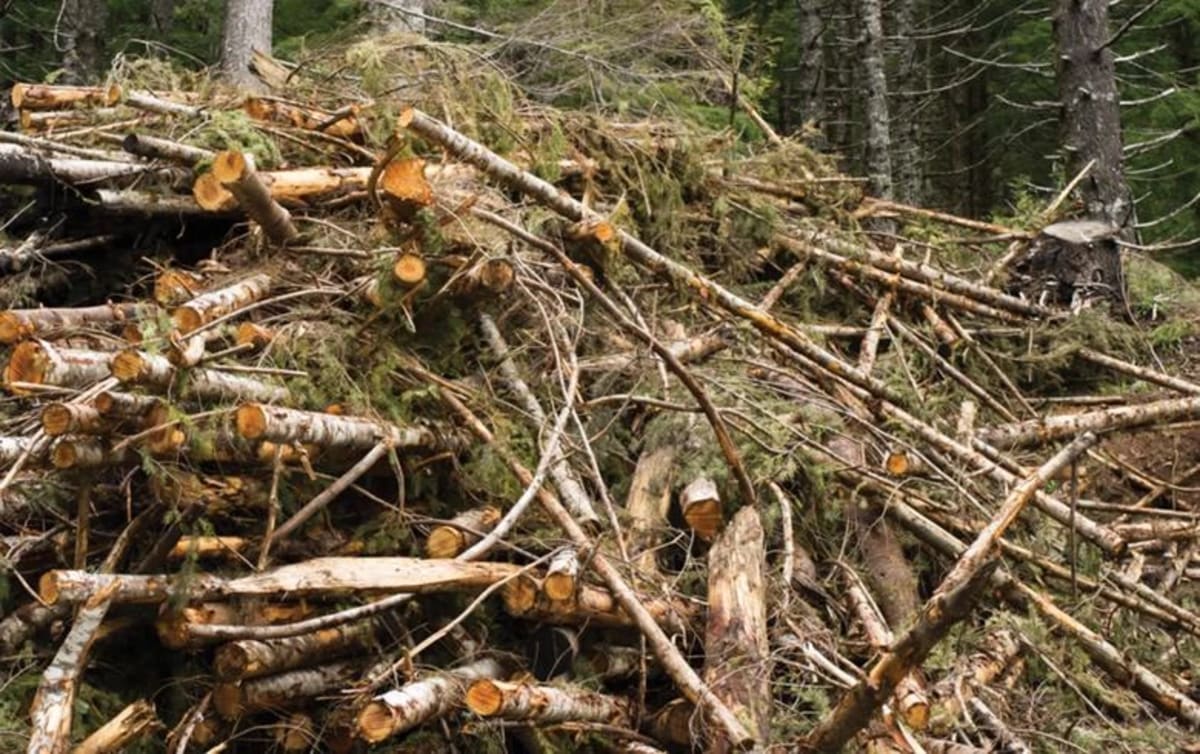
A groundbreaking pilot project in Chile is transforming forestry byproducts into the fuel of the future, offering hope for cleaner transportation without fossil fuels.
Chilean forestry company Arauco has partnered with energy giant Copec and gas distributor Abastible to produce synthetic fuels using an innovative combination of green hydrogen and carbon dioxide captured from tree processing. The project launched this month in Chile's Biobio region with $3.8 million in government support.
Here's how it works: Arauco captures carbon dioxide that's released naturally during its pulp production process. Meanwhile, renewable electricity splits water molecules to create green hydrogen with zero emissions. These two ingredients combine to create synthetic fuels that can power vehicles without adding new carbon to the atmosphere.
The entire operation runs on clean energy. The pilot facility needs just 1.85 megawatts of electricity, all generated from renewable sources already at Arauco's industrial complex. No external power grid needed.
Arauco's research center Bioforest is leading the technical development, validating the production process under real-world conditions. The company's existing infrastructure at the Biobio site provides everything needed: biogenic carbon dioxide, renewable energy, and industrial facilities to test the technology at scale.
Chile's state development agency Corfo selected this project through a competitive program focused on bringing hydrogen technologies into industrial use. The grant recognizes synthetic fuels as a promising path toward decarbonizing sectors like aviation, shipping, and long-haul trucking where battery power isn't practical.
The Ripple Effect
This pilot represents more than just one facility. The knowledge and expertise developed here could spark similar projects across Chile and beyond, especially in regions with abundant forestry and renewable energy resources.
By proving synthetic fuels can work at commercial scale, Chile is creating a roadmap for other nations seeking to cut transportation emissions while supporting existing industries. Forest products companies worldwide are watching closely, seeing potential to turn their carbon capture into revenue streams.
The project also demonstrates how traditional industries can evolve rather than disappear in the clean energy transition. Forestry, pulp production, and fuel distribution are collaborating instead of competing, showing that climate solutions work best when sectors join forces.
Future phases could scale up production significantly, transforming this pilot into an industrial operation supplying clean fuel across South America. Each success brings carbon-neutral transportation closer to everyday reality.
Based on reporting by Google News - Chile Renewable Energy
This story was written by BrightWire based on verified news reports.
Spread the positivity!
Share this good news with someone who needs it