Chile Pushes Green Hydrogen Goals to 2035, Stays Committed
Chile is recalibrating its clean energy timeline after learning tough lessons, pushing major green hydrogen targets from 2025 to 2035 while doubling down on its commitment to lead the renewable revolution. The South American nation's updated strategy shows how countries can adapt ambitious climate goals to economic reality without losing sight of the bigger prize.
Chile just showed the world what smart climate leadership looks like: admitting when timelines need adjusting while keeping eyes firmly on the prize.
The country released an updated green hydrogen strategy that pushes its major production goals from 2025 to 2035. Instead of abandoning ship when costs stayed high and global markets got shaky, Chile studied what went wrong and charted a smarter course forward.
The new targets are actually more ambitious than before. By 2035, Chile aims to produce between 100,000 and 200,000 tons yearly for domestic use, plus another 300,000 to 700,000 tons for export. The original 2020 strategy had set just 100,000 tons total by 2025.
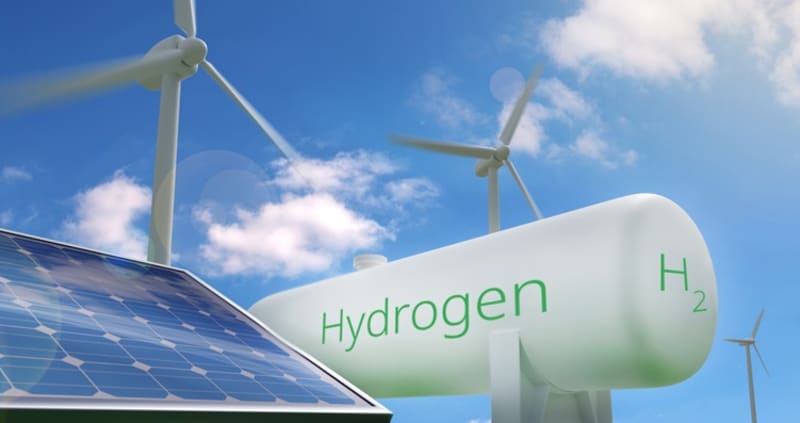
Green hydrogen uses renewable electricity to split water molecules, creating a clean fuel that could replace fossil fuels in industries like shipping, aviation, and manufacturing. Chile has some of the world's best solar and wind resources, making it a natural leader in this technology.
The country learned important lessons as an early mover. Production costs didn't fall as quickly as expected. Global commodity prices dropped. Policy uncertainty made investors nervous. Rather than pretend these challenges didn't exist, Chile's government incorporated them into a more realistic roadmap.
The updated plan focuses on eight milestones for 2030, including narrowing the cost gap with fossil fuels and establishing two major port infrastructure projects. The strategy emphasizes working with private companies and building regional industrial hubs that connect suppliers with users.
Chile's forestry company Arauco is already developing one such ecosystem in the Biobío region alongside other industrial partners. These local networks will help create demand for green hydrogen while supply ramps up.
The Ripple Effect
Chile's recalibration sends an encouraging message to other countries pursuing clean energy transitions. Hitting pause to get the strategy right beats pushing forward with unrealistic timelines that waste money and credibility.
The updated plan projects that by 2035, Chile could produce up to $5.7 billion worth of hydrogen products annually. Getting there will require $16 billion to $32 billion in investment and create thousands of jobs in manufacturing, logistics, and infrastructure.
Local industry chamber H2 Chile noted that critical challenges remain in regulation, financing, and building strategic infrastructure. But the group emphasized these require "coordinated action" rather than abandoning the mission.
The strategy acknowledges that green hydrogen and green ammonia will become cost competitive with fossil fuel alternatives starting around 2030 and increasingly so in following decades. Recent international auctions in Egypt and India show prices moving in the right direction.
By 2035, meeting demand will require 8 to 15 gigawatts of electrolyzer capacity and 9 to 18 gigawatts of renewable generation. That means more solar panels, more wind turbines, and more clean energy jobs across Chile's regions.
A new conservative government takes office in March with investment as a stated priority. The updated strategy gives them a realistic framework built on evidence rather than wishful thinking.
Sometimes the bravest climate action is admitting you need more time to do things right.
More Images


Based on reporting by Google News - Chile Renewable Energy
This story was written by BrightWire based on verified news reports.
Spread the positivity!
Share this good news with someone who needs it