Chile Saves World-Class Observatory from Energy Project
Chile just protected one of Earth's most important telescopes from a renewable energy project that would have destroyed its ability to see the stars. It's a rare win showing we can have both clean energy and cutting-edge science.
Chile's government just made a decision that will protect humanity's window to the universe for generations to come.
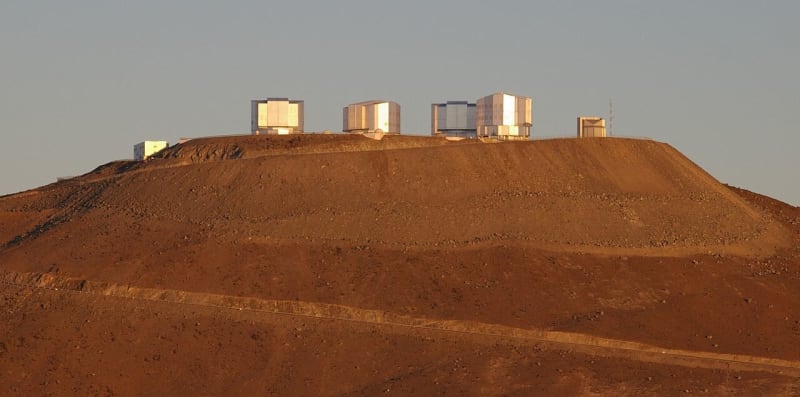
The Paranal Observatory sits in Chile's Atacama Desert, home to some of the clearest skies on Earth. Its Very Large Telescope array peers deeper into space than almost any instrument on the planet, studying distant galaxies, hunting planets around other stars, and unraveling the mysteries of black holes.
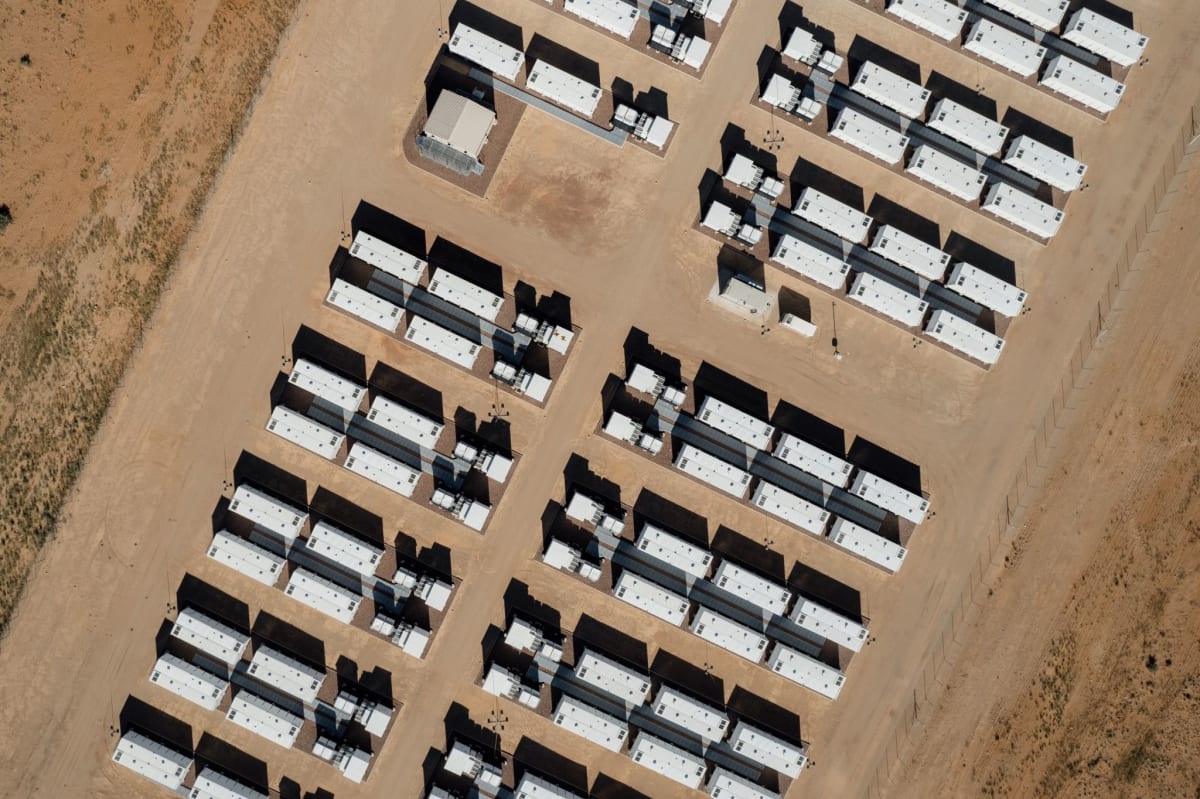
Earlier this year, that mission faced an unexpected threat. AES Andes announced plans to build a massive renewable energy facility just kilometers away, featuring solar panels and wind turbines. On paper, it looked like progress. In reality, it would have been catastrophic.
The European Southern Observatory ran the numbers. Light pollution from the facility would jump 35 percent, drowning out the faint signals from distant galaxies these telescopes were built to detect. Even worse, vibrations from the wind turbines would ripple through the ground, making the precision measurements astronomers rely on nearly impossible.
Nobel Prize winner Reinhard Genzel rallied the scientific community. He and thirty international astronomers wrote to Chile's government, making one thing clear: they weren't against renewable energy. They just needed it somewhere else.
"The conflict was never about science versus sustainability," Genzel explained. "The sole issue with the planned facility was always merely its physical proximity to the telescopes."
Chile hosts 40 percent of the world's ground-based telescopes, bringing international prestige and scientific breakthroughs. But the country also has ambitious clean energy goals. President José Antonio Kast's administration faced a tough choice.
They chose the stars. AES Andes announced they'll find a different location for their renewable energy project.
The Ripple Effect
This decision proves we don't have to choose between protecting our planet and understanding our universe. Both matter. Both are possible.
The victory reaches beyond one observatory. It sets a precedent for thoughtful development that considers the unique value of certain locations. Chile's Atacama Desert offers something irreplaceable for astronomy, just as certain coastlines are perfect for wind farms and deserts ideal for solar arrays.
The astronomers who fought for Paranal are among the most climate-conscious scientists on Earth. Many observatories already run on renewable energy. Their message was never "stop clean energy" but rather "let's put it in the right place."
Now Paranal can continue its groundbreaking work while Chile pursues its renewable energy goals elsewhere in its vast territory. Eduardo Unda Sanzana and countless researchers who advocated tirelessly can celebrate knowing their efforts protected both science and sustainability.
Somewhere in Chile, those turbines will still turn and those solar panels will still generate clean power, just in a location where they can thrive without dimming humanity's view of the cosmos.
Based on reporting by Google News - Chile Renewable Energy
This story was written by BrightWire based on verified news reports.
Spread the positivity!
Share this good news with someone who needs it