Chile's $4.7B Green Energy Project Could Power Future
Chile just took a major step toward becoming a global leader in clean energy. A new $4.7 billion wind-powered facility could produce enough green ammonia to supply international markets for nearly half a century.
A massive clean energy project in Chile's southernmost region is moving forward, offering fresh hope that the country can still lead the global transition to green hydrogen despite recent setbacks.
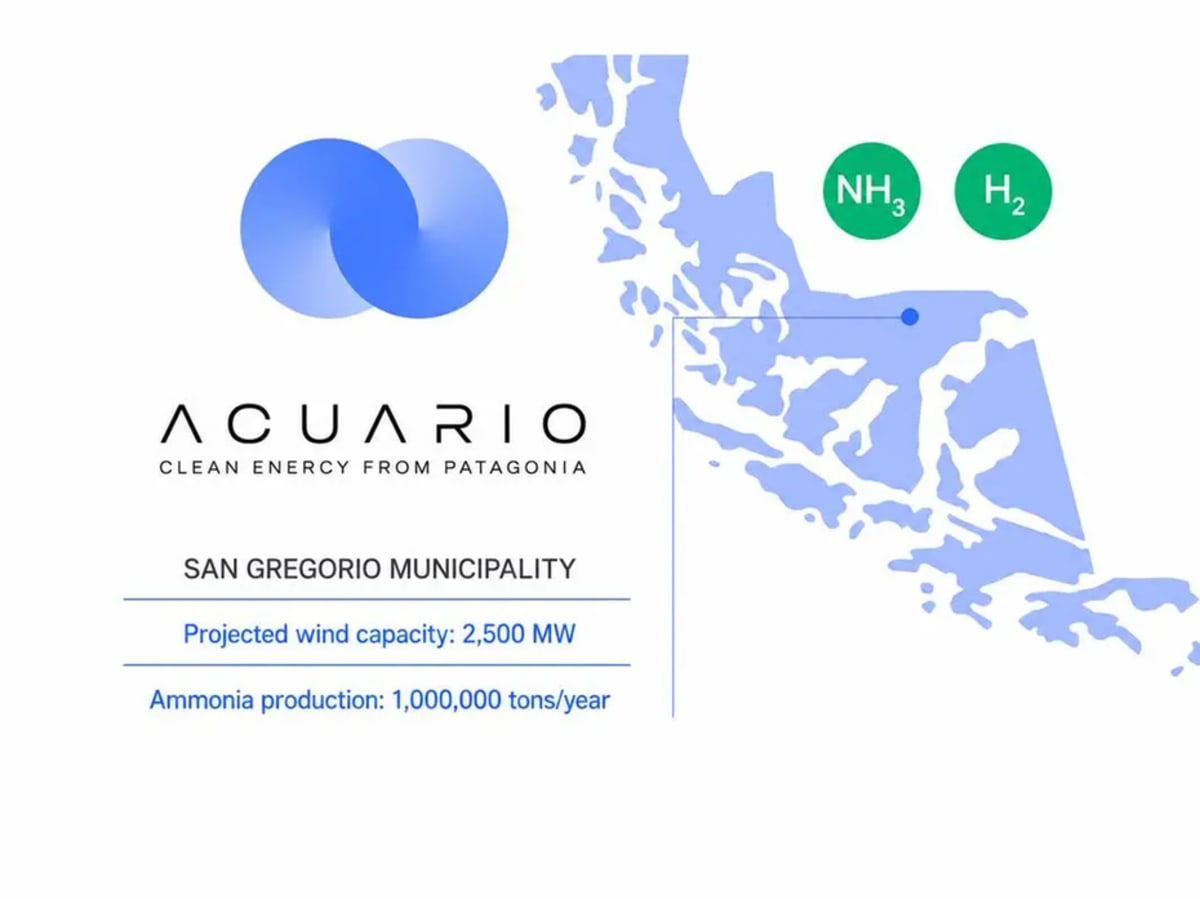
Consorcio Austral has submitted its Acuario project for environmental review in Magallanes, a region famous for powerful winds that could power the world. The $4.7 billion facility would produce 4,100 tonnes of green ammonia daily using only wind and water.
Here's what makes this exciting: the project would use 173 wind turbines generating 1.73 gigawatts of power to split water into hydrogen through electrolysis. That hydrogen would then combine with nitrogen from the air to create ammonia, a crucial ingredient in fertilizers and a potential clean fuel for ships and industry.
The entire process releases zero carbon emissions. It's the kind of technology that could help replace fossil fuels across multiple industries while creating hundreds of jobs in southern Chile.
The timing matters because Chile's hydrogen dreams took a hit earlier this year. AES Andes canceled its $10 billion INNA project in January, citing economic concerns and astronomical opposition to its location. Several other proposals also stalled as global demand for hydrogen cooled and financing became more expensive.
But Acuario proves that developers still see potential in Chile's exceptional wind resources. The Magallanes region has some of the strongest and most consistent winds on Earth, making it ideal for powering clean energy facilities that need reliable electricity.
Why This Inspires
This project represents more than just clean energy. It shows that the transition away from fossil fuels is still moving forward even when individual projects fail.
If Acuario survives environmental review and secures buyers, construction could begin in 2029 and finish by 2033. During construction, the project would employ an average of 1,595 workers, peaking at 3,000. Once operational, it would support more than 400 permanent jobs over its 46-year lifespan.
Battery storage systems would keep the facility running even when winds calm down, ensuring steady production. Underground transmission lines would connect the wind farm to the processing complex without disturbing the dramatic Patagonian landscape.
The developer still faces major hurdles. Environmental authorities must review impacts on water, wildlife, and local communities. Consorcio Austral needs to find long-term buyers willing to commit before construction starts, secure billions in financing, and prove the facility can compete economically with traditional ammonia.
But the fact that companies are still willing to invest billions in Chile's clean energy future speaks to the country's natural advantages and the growing global demand for alternatives to fossil fuels.
The company is also developing a second project called Sagittarius with even larger capacity, showing serious long-term commitment to the region.
Chile's clean hydrogen dreams aren't dead—they're just getting started in the windiest corner of the planet.
More Images
Based on reporting by Google News - Chile Renewable Energy
This story was written by BrightWire based on verified news reports.
Spread the positivity!
Share this good news with someone who needs it

