
Chili Pepper Cream Brings Relief to Diabetic Nerve Pain
A cream made from chili peppers is helping people with diabetic nerve pain find relief without systemic side effects. Clinical studies show nearly 60% of patients experience meaningful pain reduction with this targeted approach.
Millions of people living with diabetes face a hidden struggle: burning, tingling nerve pain that conventional painkillers can't touch. Now, a comprehensive review of 22 clinical studies brings hope in an unexpected form—capsaicin, the compound that makes chili peppers hot.
The research, published in the Journal of the Association of Physicians of India, analyzed data from more than 1,800 patients. Nearly 60% experienced significant relief from diabetic neuropathy when using topical capsaicin cream applied directly to painful areas.
Dr. Mangesh Tiwaskar, a consultant physician and diabetologist in India, explains that diabetic nerve pain often develops gradually and gets overlooked. "The clinical focus has traditionally been on blood sugar control rather than neuropathic complications," he says. "Diabetes care must evolve to include nerve health as a routine part of patient management from the outset."
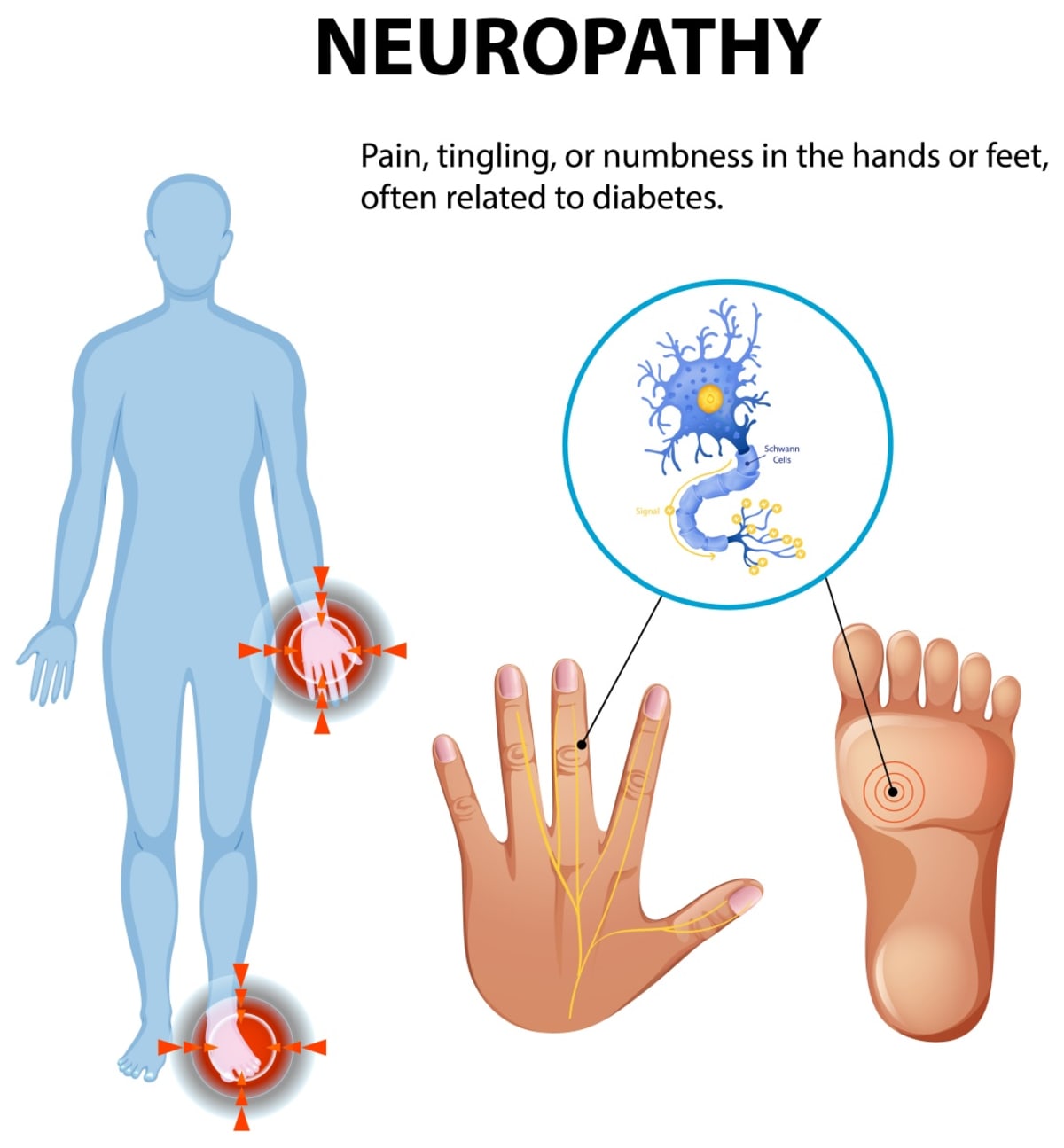
Diabetic neuropathy typically starts in the feet and moves upward, causing burning sensations, electric shock-like pains, and heightened sensitivity to touch. Dr. Viswanathan Mohan from Chennai's Diabetes Research Foundation notes these symptoms are frequently dismissed as routine consequences of diabetes, leading to delayed diagnosis.
Traditional oral pain medications often fall short because neuropathic pain originates from damaged nerve fibers rather than inflammation or injury. Many patients also can't tolerate systemic medications due to side effects or interactions with their existing treatments.
Capsaicin works differently. When applied to the skin, it targets pain-sensing nerve fibers directly at the source. With repeated use, it helps desensitize these nerves and reduce pain signal transmission without entering the bloodstream.
The review found that topical capsaicin 0.075% provides meaningful pain relief while avoiding risks like sedation and drug interactions associated with oral treatments. Side effects were generally mild, localized to the application site, and manageable.
Dr. Sonali Gokhalay from P&G Health India highlights a key insight: "Nearly 60% of neuropathic pain cases are localized. For these patients, exposing the entire body to systemic medication is neither necessary nor ideal." Newer roll-on formulations now make application precise and mess-free.
Why This Inspires
This breakthrough represents a shift toward smarter, more targeted pain management. Instead of flooding the entire body with medication, patients can now treat pain exactly where it occurs. For elderly patients managing multiple conditions and medications, this localized approach offers newfound freedom and improved quality of life.
Early treatment with mechanism-specific therapies like topical capsaicin may help patients sleep better, function more comfortably in daily life, and maintain independence longer. Researchers are now exploring whether this approach could help other forms of localized nerve pain, including post-surgical neuropathy.
For the millions navigating diabetes and its complications, this evidence-based option turns a kitchen staple into genuine relief.
More Images



Based on reporting by Google News - Health Breakthrough
This story was written by BrightWire based on verified news reports.
Spread the positivity!
Share this good news with someone who needs it


%2520(2).jpg)