China Achieves 35% Hydrogen-Coal Blend at Power Plants
China Energy just cracked a code that could cut coal power emissions in half while keeping the lights on reliably. Their breakthrough lets power plants burn 35% green hydrogen with coal, shattering the previous 10% global limit.
China just took a giant leap toward cleaning up the world's dirtiest energy source without turning off the power.
State-owned China Energy announced they've successfully run a coal power plant with 35% green hydrogen mixed into the fuel. That's more than triple what any country has safely achieved before, where attempts rarely exceeded 10% due to combustion instability and explosion risks.
The numbers tell an exciting story. When green hydrogen makes up more than a third of the fuel, carbon emissions drop by up to 50% compared to burning pure coal. At the same time, the technology keeps dangerous nitrogen oxide pollution under control, something earlier experiments struggled with.
China operates the world's largest fleet of coal-fired power stations, with 1.26 billion kilowatts of capacity humming away as of late 2025. For context, that's enough to power the entire United States twice over. Making these plants cleaner isn't just nice, it's essential for China's promise to reach carbon neutrality.
The breakthrough solves a puzzle that's been frustrating engineers worldwide. Previous hydrogen-coal blending kept hydrogen as a minor add-on. Now, for the first time, hydrogen becomes a major fuel partner rather than just a supporting player.
The Ripple Effect
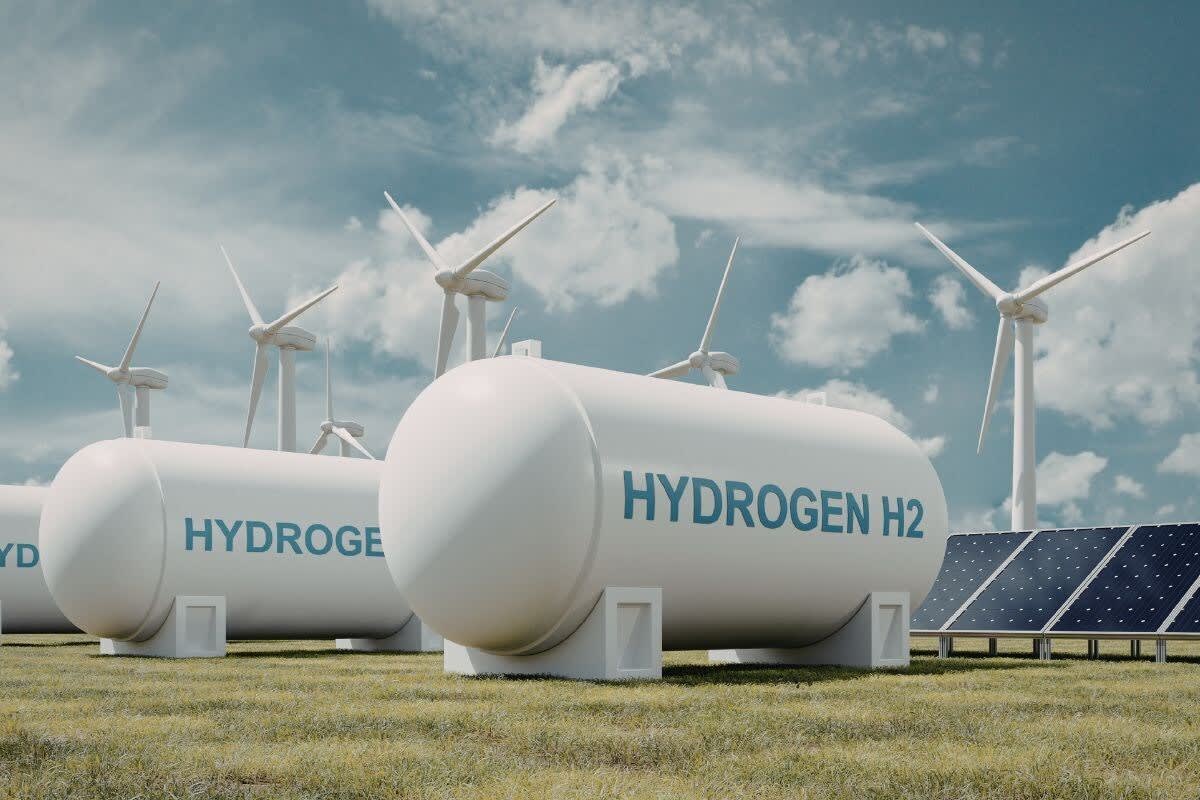
This technology fits into a brilliantly circular system China is building. Excess electricity from solar panels and wind turbines, which would otherwise go to waste, gets used to split water into green hydrogen. That hydrogen then flows into coal plants, making fossil fuel generation cleaner while absorbing renewable energy that has nowhere else to go.
The result is a more stable electricity grid that wastes less clean energy and burns less dirty fuel. It's like having your cake and eating it too, keeping reliable baseload power while dramatically cutting emissions.
Experts say this approach offers a practical alternative to carbon capture and storage, which has proven expensive and difficult to scale. Rather than trying to trap carbon after burning coal, this method simply burns less carbon to begin with.
The road ahead still has bumps. Engineers need to prove the technology works reliably in China's massive 1-million-kilowatt-plus plants that form the backbone of the power grid. Long-term stability tests will determine whether this breakthrough can run day after day, year after year.
Green hydrogen production costs remain high right now, making commercial rollout challenging. The manufacturing, transportation, and equipment retrofit expenses need to drop significantly before power companies can justify the switch at scale.
Safety standards for handling and blending hydrogen at thermal power plants also need extensive verification. But given China's track record of rapidly scaling renewable technology from expensive experiment to affordable reality, those barriers look more like speed bumps than brick walls.
For a country that still gets most of its electricity from coal, finding a way to make those plants 50% cleaner without rebuilding the entire energy system is genuinely hopeful progress.
Based on reporting by Google News - Renewable Energy Breakthrough
This story was written by BrightWire based on verified news reports.
Spread the positivity!
Share this good news with someone who needs it