China Builds First CO2-Salt Power Plant to Cut Waste
China has started building the world's first power plant that combines two game-changing technologies to store excess energy and generate cleaner electricity. The breakthrough system could help renewable energy work better on existing power grids.
📺 Watch the full story above
A revolutionary power plant that could transform how we store and use energy just broke ground in eastern China, and it's using carbon dioxide in a way that's never been done before at this scale.
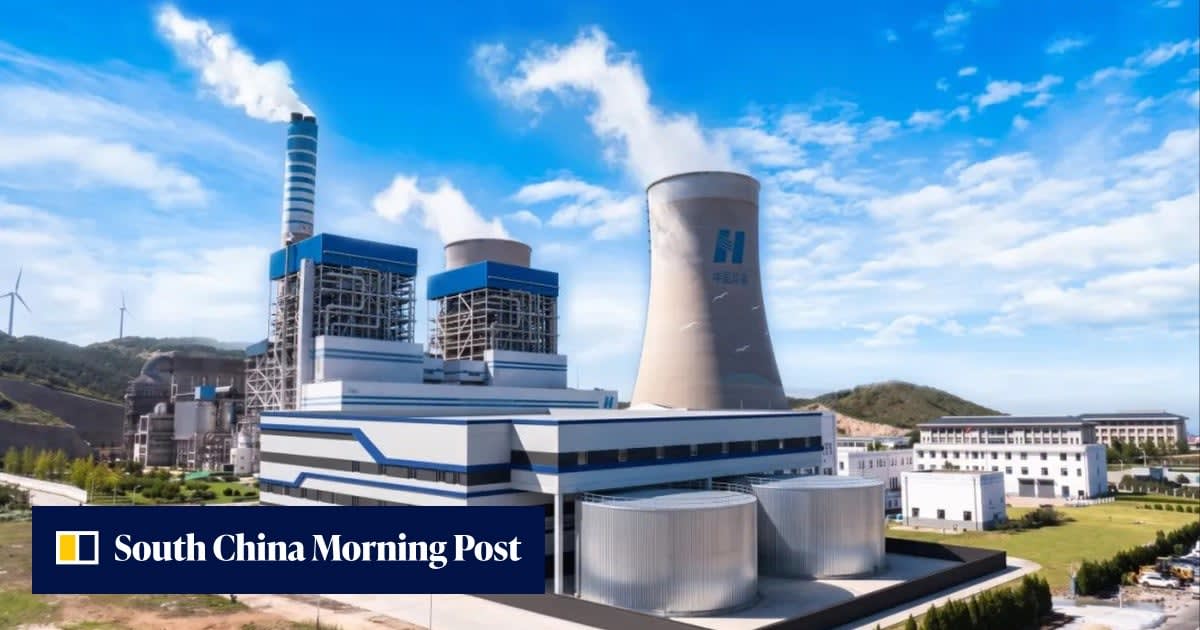
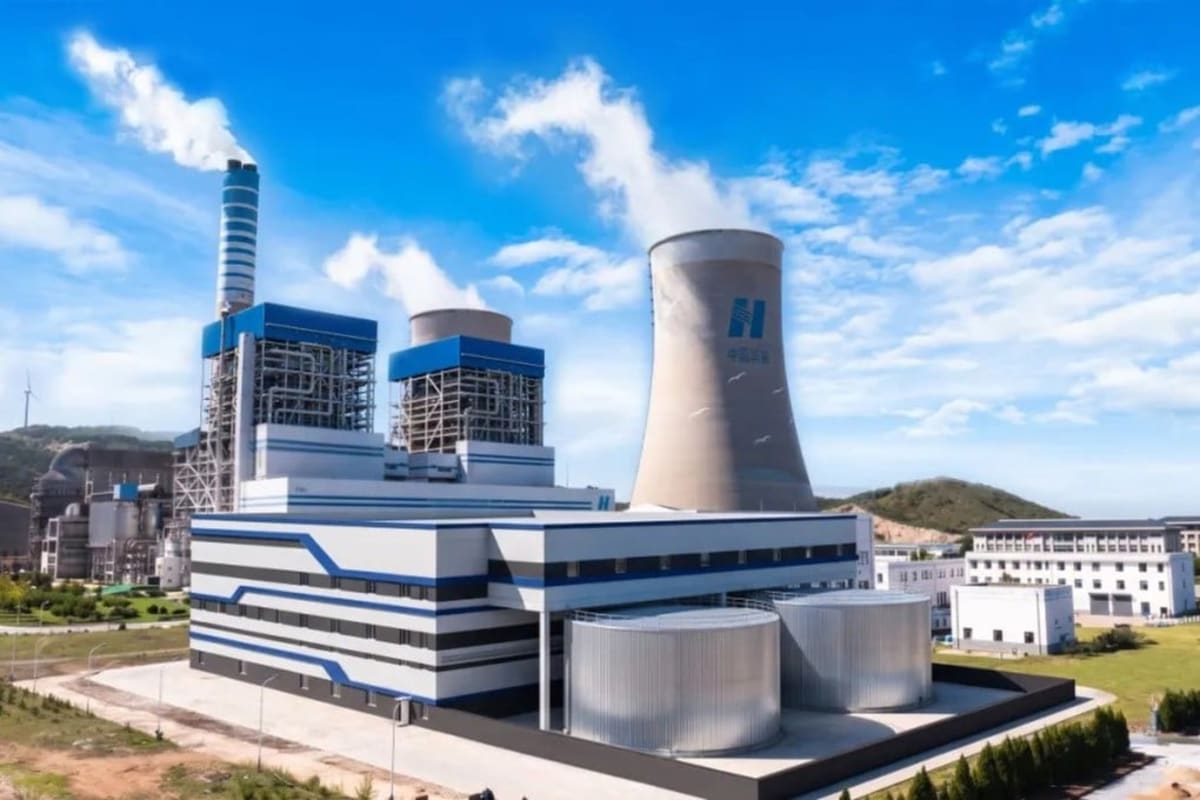
Construction began on September 16 at the Ruitan demonstration project in Yantai, Shandong province. The facility combines supercritical carbon dioxide power generation with molten salt energy storage, two cutting-edge technologies that together could solve one of clean energy's biggest challenges: what to do with excess electricity.
Here's how it works. When energy demand is low, the plant will use surplus electricity to heat up molten salt, which stores that energy as heat in large tanks. During peak hours when everyone needs power, that stored heat will drive a turbine powered by carbon dioxide instead of traditional steam.
This matters because the CO2 system is smaller, doesn't need water, runs more efficiently, and produces fewer emissions than conventional power plants. The turbines can also ramp up or down four times faster than coal-fired units, making them perfect partners for solar and wind power that fluctuate throughout the day.
The first phase will include a 50-megawatt supercritical unit and a 100-megawatt energy storage system. If successful when it goes online next year, it could become a model for upgrading aging power infrastructure worldwide.
The Ripple Effect
This technology could unlock renewable energy's full potential. Right now, solar and wind farms often produce more electricity than the grid can handle, forcing operators to waste that clean power. By storing excess energy as heat and converting it back to electricity on demand, these hybrid systems could make renewable energy as reliable as fossil fuels.
The approach is already proving itself in smaller applications. China's first commercial supercritical CO2 plant, which opened last year in Guizhou province, captures waste heat from steel production. Other countries are watching closely, with the European Union developing similar systems for concentrated solar plants.
Even more exciting, the technology has applications beyond Earth. Engineers are exploring supercritical systems for future nuclear-powered spacecraft because they work in closed loops without needing steam or water.
China is also building a concentrated solar plant in Tibet at the highest altitude ever attempted, using molten salt storage to keep power flowing after sunset. That facility will convert daytime sunshine into nighttime electricity for remote mountain communities.
The Ruitan project represents something bigger than just another power plant. It shows how combining proven technologies in new ways can breathe new life into existing infrastructure while cutting waste and emissions at the same time.
More Images

Based on reporting by Google News - Clean Energy
This story was written by BrightWire based on verified news reports.
Spread the positivity!
Share this good news with someone who needs it