China Built 27 Nuclear Reactors to Power Green Grid
China connected 27 nuclear reactors in under a decade while the U.S. built just two, creating the backbone for a renewable energy future. The reactors don't generate most of China's power, but they're the secret ingredient keeping wind and solar from crashing the grid.
China just cracked the code on how to run a power grid almost entirely on renewable energy, and the answer surprised everyone: nuclear power.
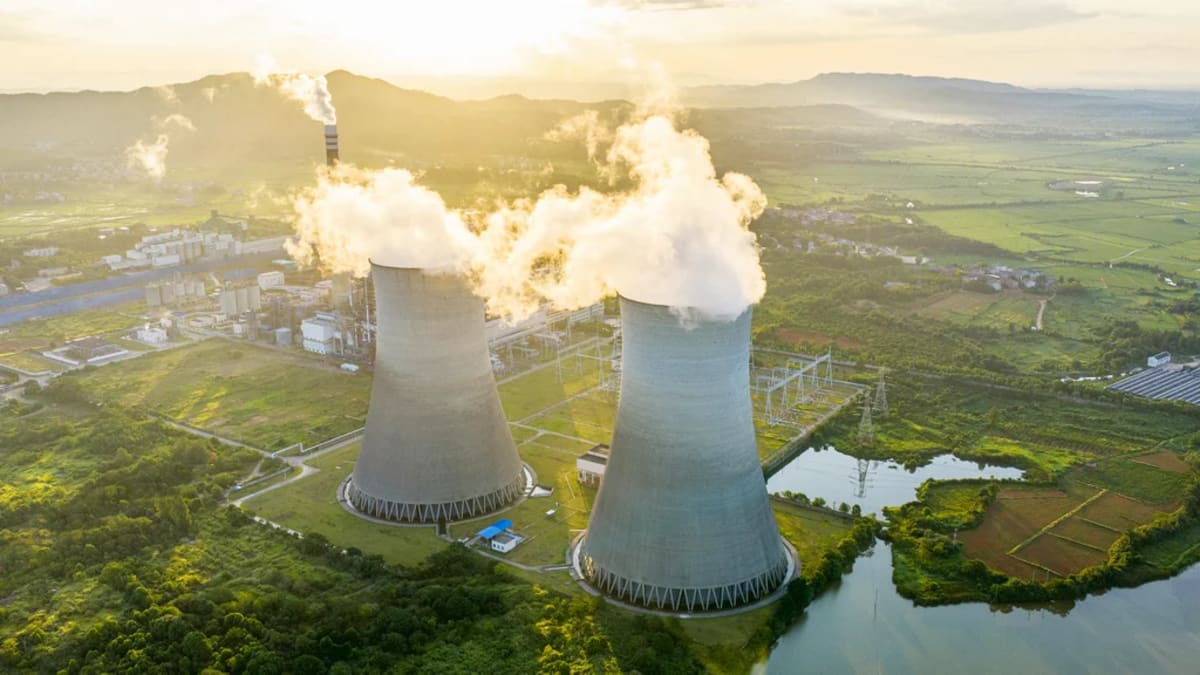
Between late 2016 and August 2026, China connected 27 brand-new nuclear reactors to its electrical grid. During that same period, the United States connected only two.
"China is the world's leader in nuclear power plant construction," says Jacopo Buongiorno, professor of nuclear science and engineering at MIT. But here's the twist: nuclear only supplies about 5% of China's total electricity.
So why build so many reactors if they're not generating most of the power? Because they're solving renewable energy's biggest problem.
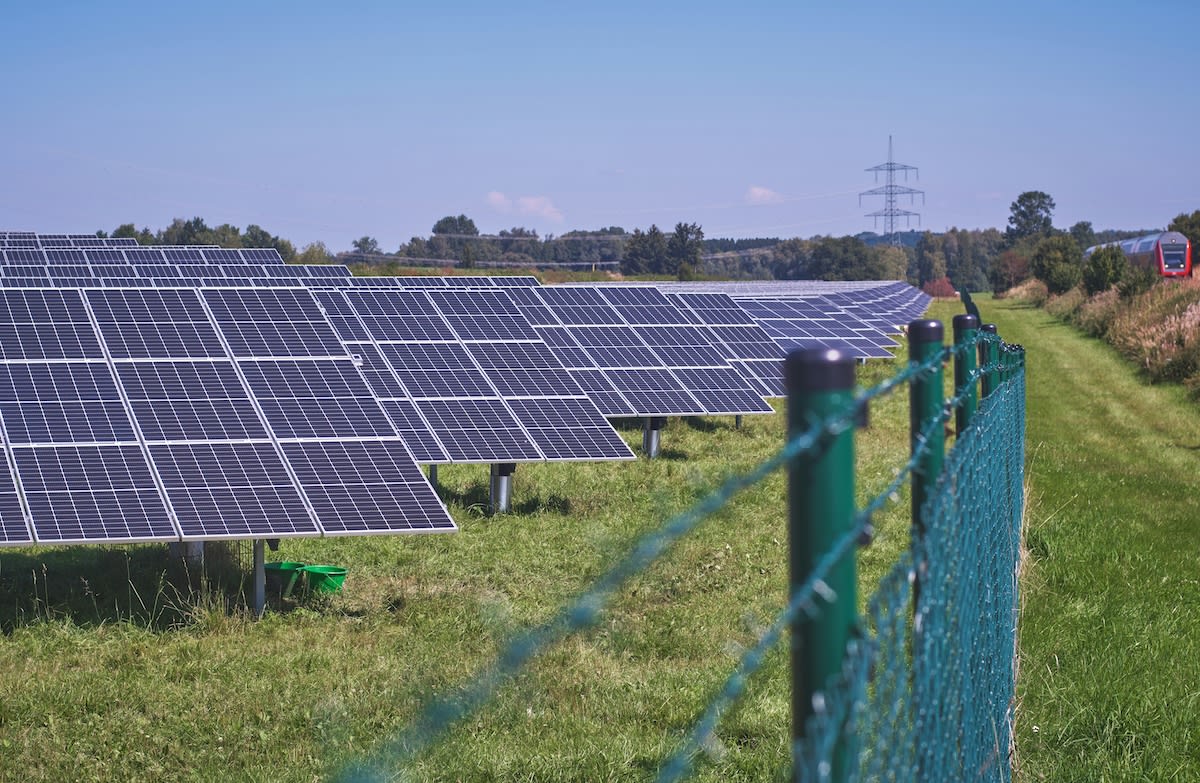
Wind and solar now provide 22% of China's electricity, up from 18% just one year ago. Coal dropped below 50% of total generation for the first time ever in early 2026. China is adding renewable capacity so fast that its electricity demand grows by one entire Germany every single year.
But wind and solar have a fatal flaw: they fluctuate wildly. When the sun sets or wind dies down, power drops. Without something to balance those swings, the entire grid crashes.
That's where nuclear comes in. Nuclear reactors provide constant, reliable power that acts like a stabilizer for the whole system. They keep the lights on when renewable generation dips, preventing blackouts across the country.
Chinese engineers designed their grid specifically for this balance. Renewables provide the bulk of new capacity, while nuclear keeps everything stable and operational. It's like building a high-performance sports car where nuclear is the suspension system.
The strategy traces back to reforms launched in 1978 that set China on a path of rapid industrialization. That transformation created enormous electricity hunger that continues today, driven by advanced manufacturing and artificial intelligence.
The Ripple Effect
China's grid design offers a blueprint for other countries racing toward renewable energy. Spain experienced a major power outage last year partly because its renewables weren't well balanced with stable power sources. China's nuclear-backed approach shows how to avoid that problem.
The model proves you don't need nuclear to generate most of your electricity. You need it to make renewables work at massive scale without crashing the system. As more countries push toward 100% green grids, China's solution demonstrates that nuclear and renewables aren't competitors but partners.
The world is watching as China builds the future of clean energy, one reactor and one wind turbine at a time.
Based on reporting by Fast Company
This story was written by BrightWire based on verified news reports.
Spread the positivity!
Share this good news with someone who needs it