China Catches Rocket Booster in Net Over Ocean
China just caught a falling rocket booster in a giant net on a sea platform, marking a huge leap toward reusable space technology. The successful test puts China in the race to make space launches cheaper and more sustainable.
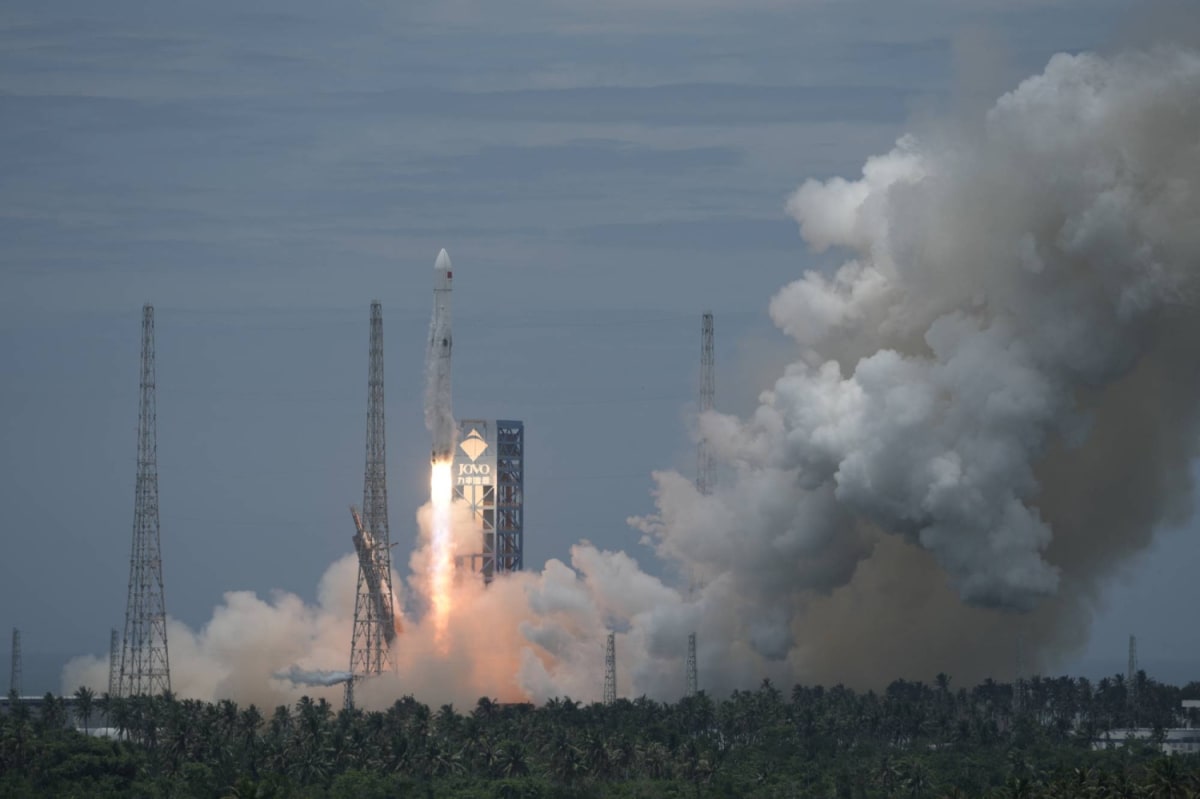
China just pulled off something straight out of a sci-fi movie, catching a rocket booster in a massive net over the ocean.
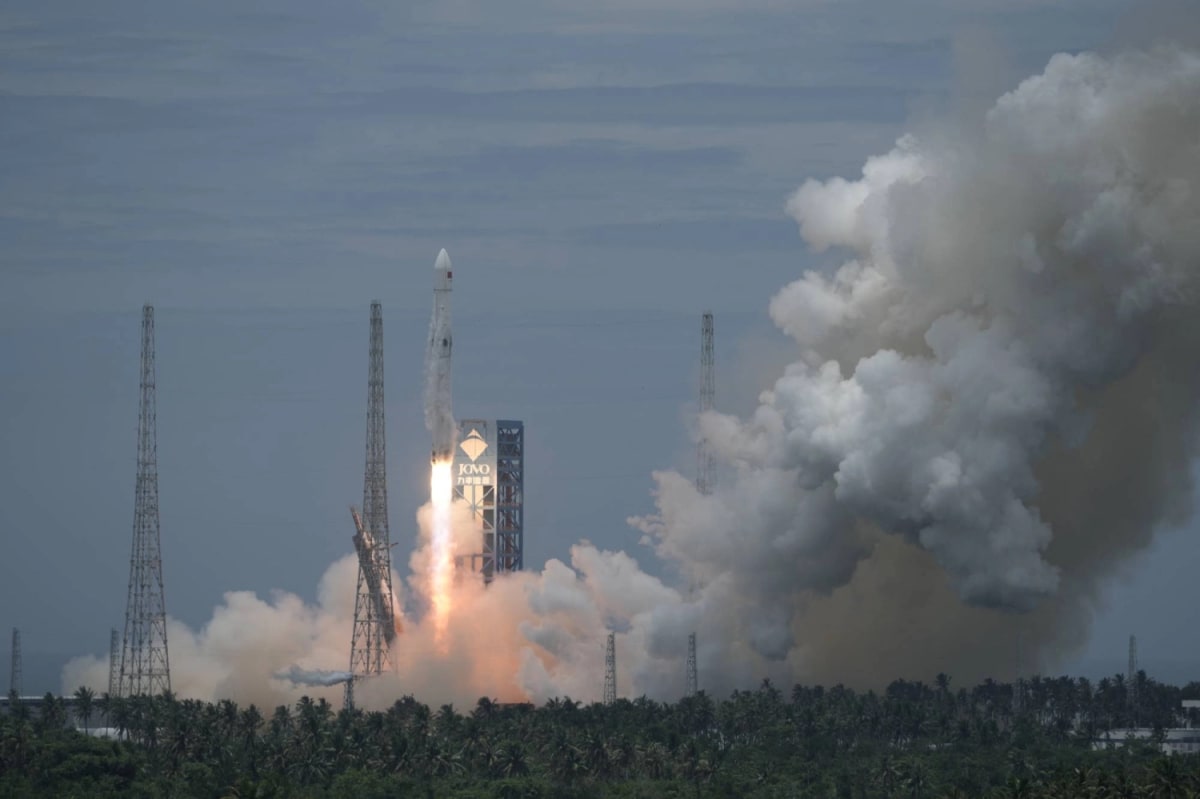
On Friday, the Long March 10B rocket launched from the Hainan commercial space site in southern China at 12:15 p.m. Six minutes after the booster separated from the upper stage, it descended vertically back to Earth and landed safely on an offshore platform equipped with a special net recovery system.
This marks the first time China has successfully retrieved an orbital-class rocket. The achievement represents a major milestone in the country's push to develop reusable rocket technology that could dramatically reduce the cost of space launches.
Right now, most rockets are single-use vehicles that either burn up in the atmosphere or sink into the ocean after launch. That's like throwing away a brand new airplane after every flight. Reusable rockets change that equation entirely, making space more accessible and affordable for everyone.
The technology works by guiding the spent booster back to a controlled landing spot instead of letting it fall randomly into the ocean. The net system adds an extra safety measure, catching the booster to prevent any damage during the final moments of recovery.
Why This Inspires
This test shows how competition in space technology drives innovation that benefits us all. When countries and companies race to solve big engineering challenges, the breakthroughs often lead to more sustainable practices across industries.
Reusable rocket technology could open doors for more scientific research, better weather monitoring, improved communication systems, and faster development of climate observation satellites. The more affordable space access becomes, the more we can use it to solve problems here on Earth.
The successful recovery also demonstrates that cutting-edge space technology is no longer limited to a handful of players. As more countries develop these capabilities, we'll likely see faster innovation and more international collaboration on projects that benefit humanity.
Space exploration has always pushed us to think bigger and work smarter, and this test is another reminder that we're living in an era of rapid technological progress.
More Images
Based on reporting by Japan Times
This story was written by BrightWire based on verified news reports.
Spread the positivity!
Share this good news with someone who needs it