China Cave Reveals How Extinct Denisovans Hunted and Lived
Scientists excavating a cave in China discovered seven Denisovan fossils alongside tools and animal bones, painting the clearest picture yet of how these mysterious human relatives lived 150,000 years ago. For the first time, researchers can connect Denisovan remains directly to their daily lives and hunting habits. #
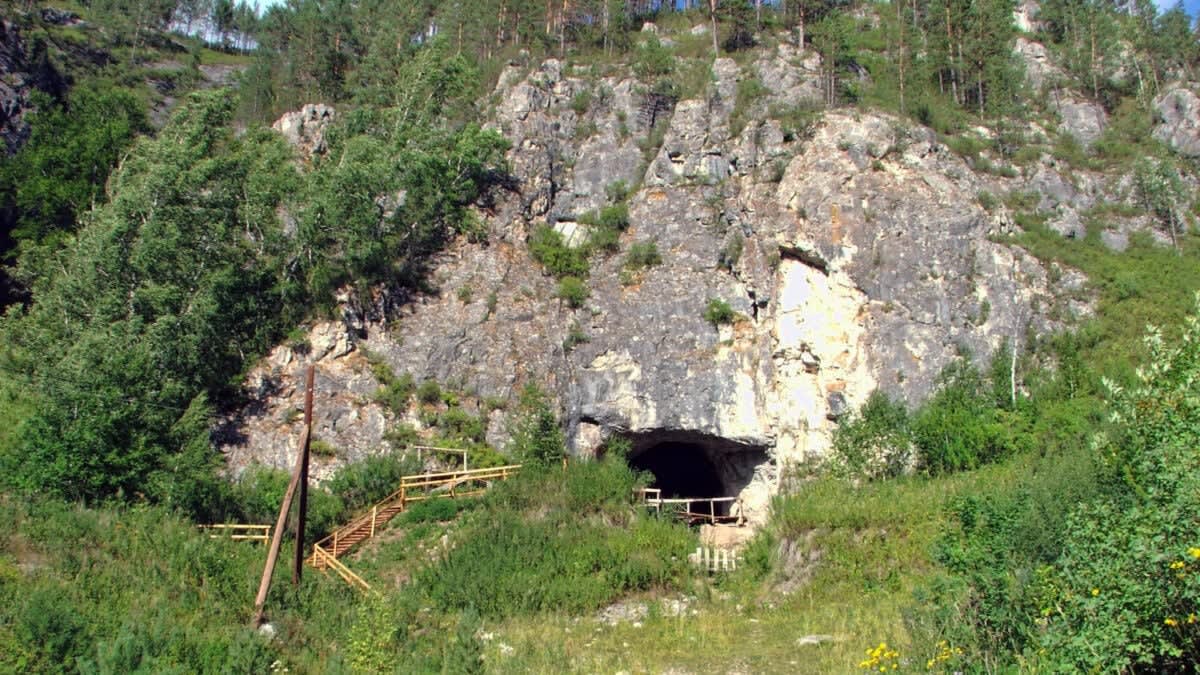
Deep in the mountains of southwestern China, archaeologists just made a discovery that's rewriting what we know about our long-lost human cousins.
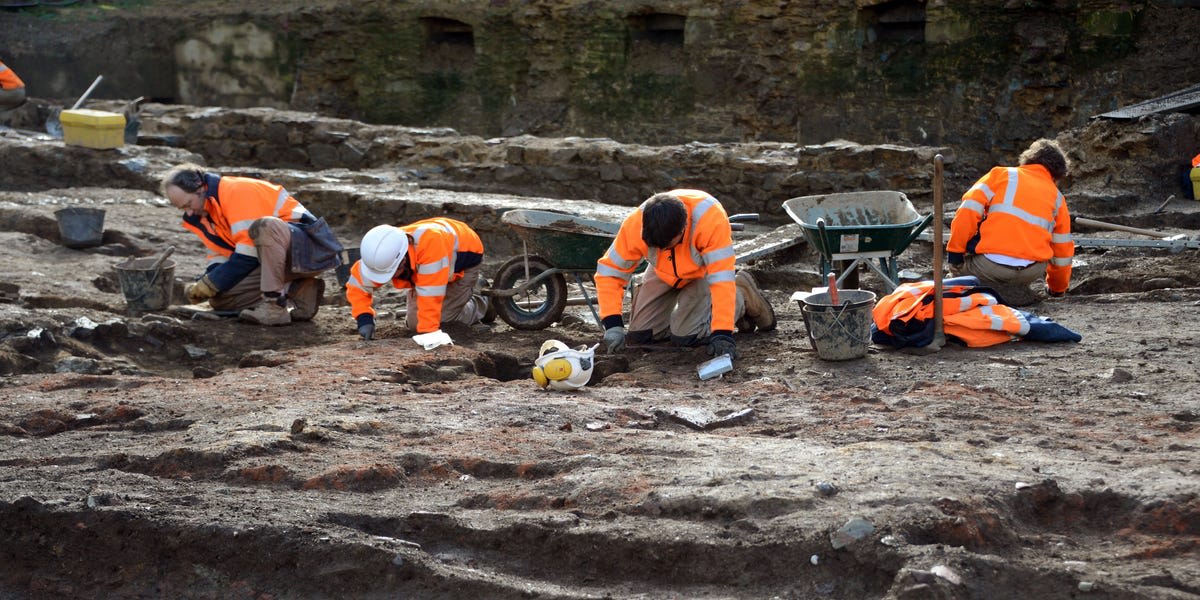
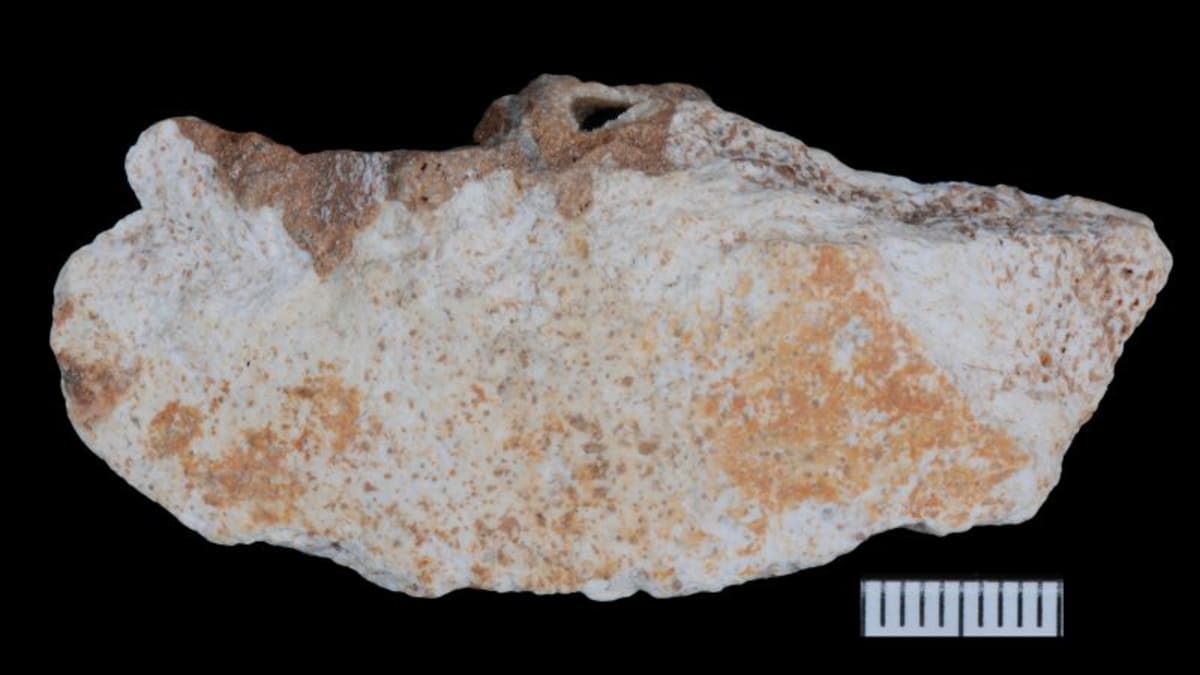
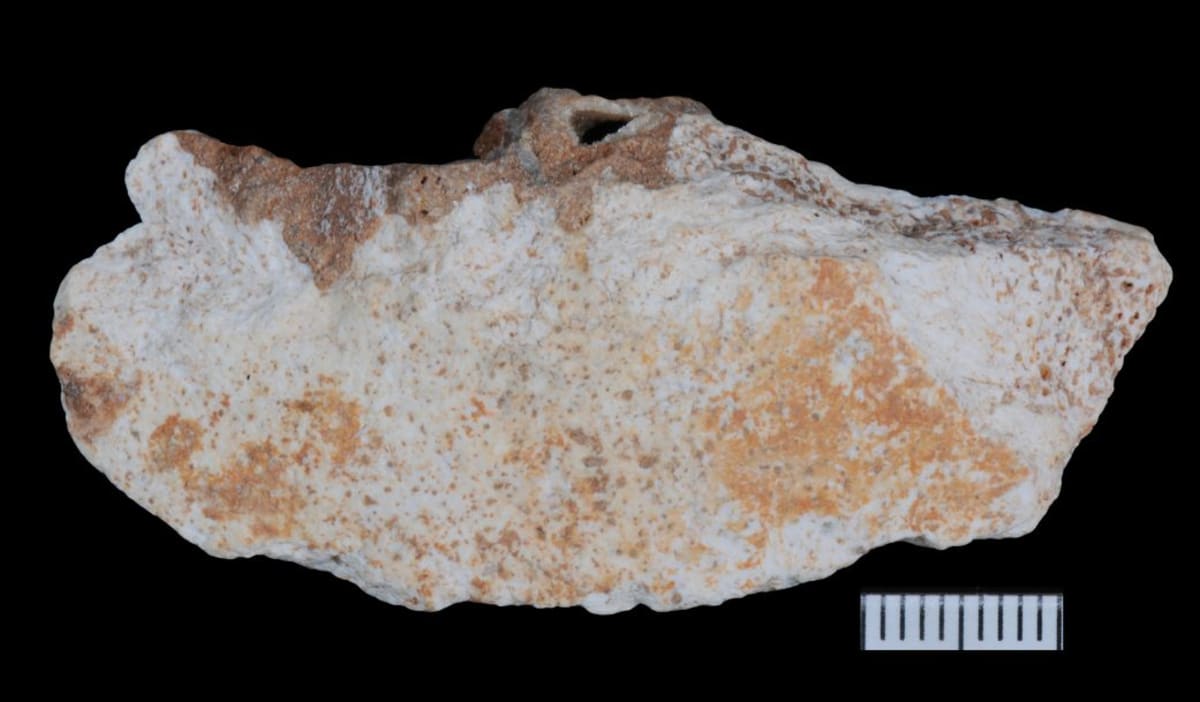
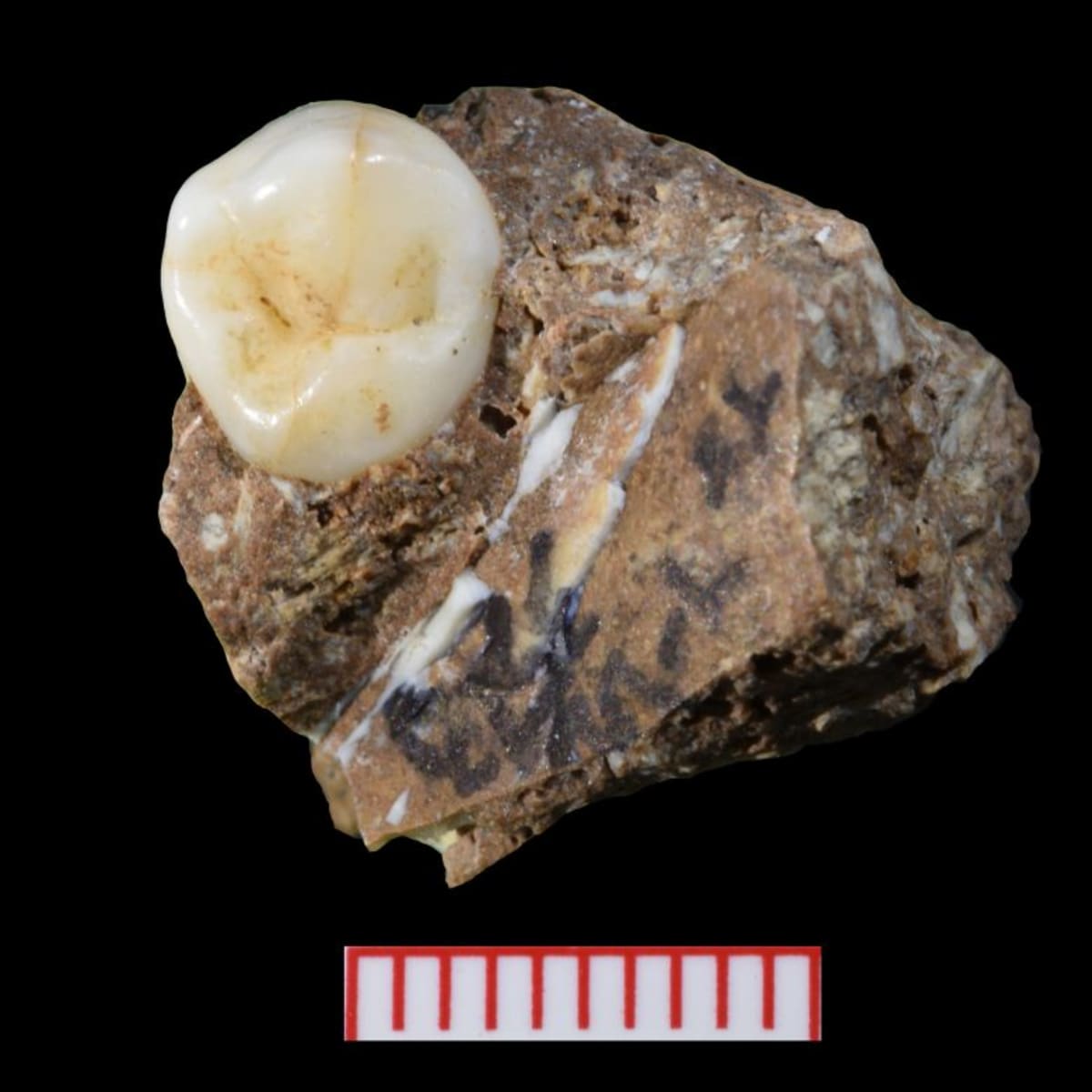
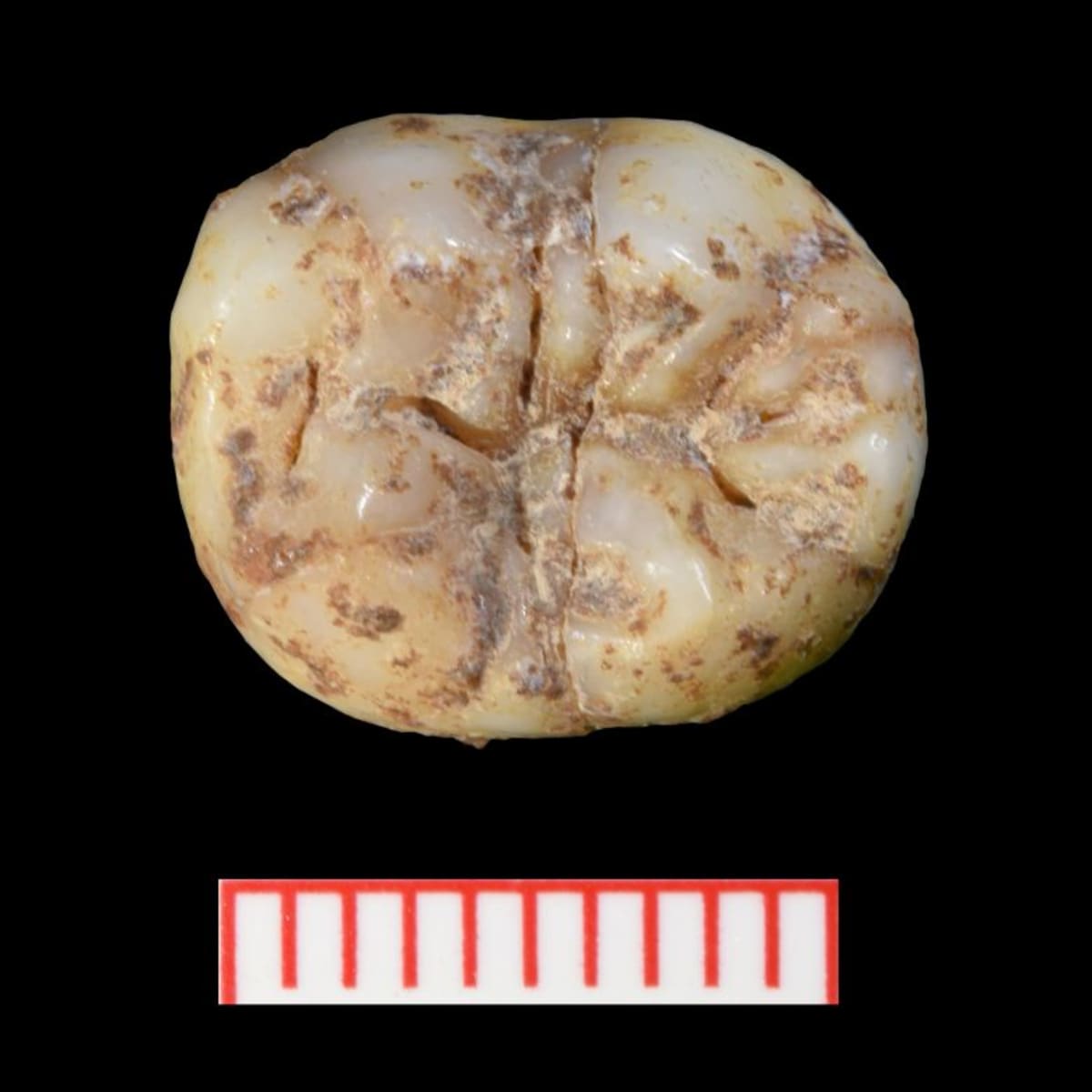
Scientists excavating Bianfu Cave in Yunnan province unearthed seven Denisovan fossils, including teeth, skull fragments, and arm bones. More exciting than the bones themselves is what came with them: stone tools, processed animal bones, and clear evidence of how these extinct humans actually lived.
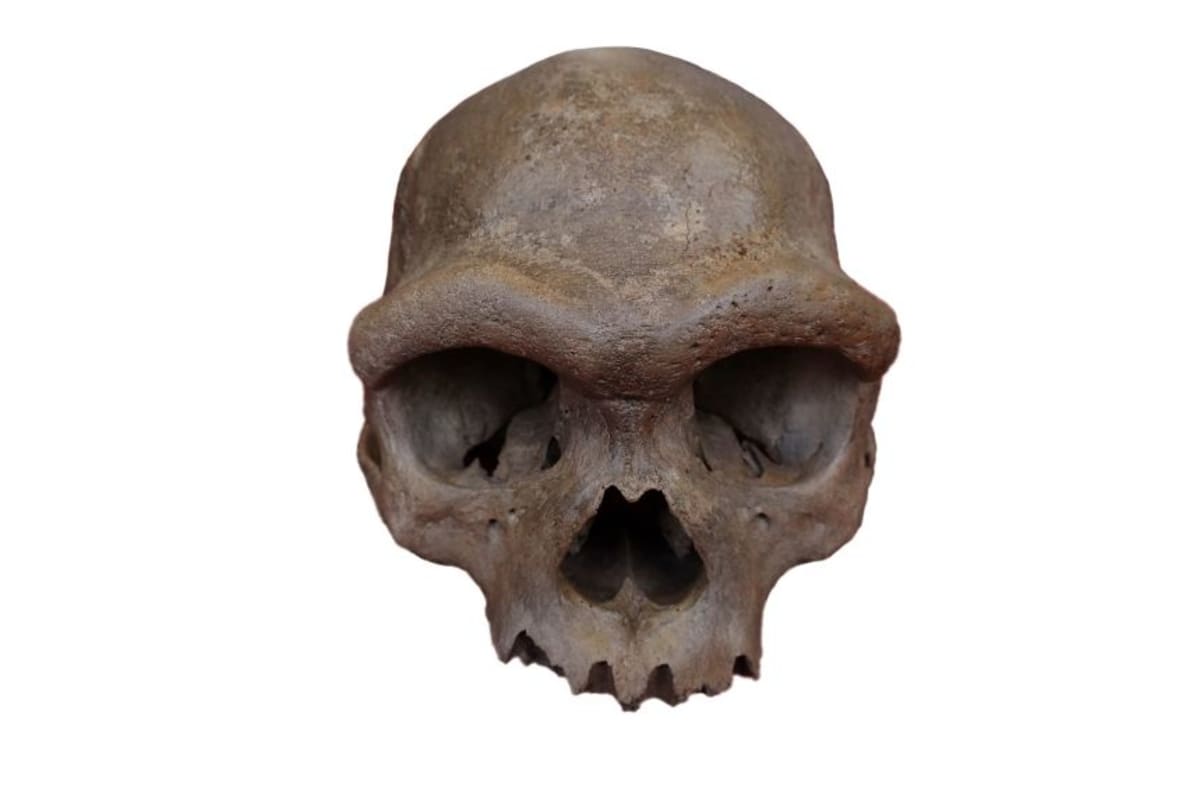
This changes everything about Denisovan research. Until now, scientists have mostly studied isolated bones with murky origins, like a skull pulled from a well or a jawbone caught in a fishing net. Bianfu Cave is different because Denisovans appear to have been the only occupants for thousands of years, leaving behind an untouched snapshot of their world.
"This is very rare," said research professor Hao Li from the Chinese Academy of Sciences. "This is the first site in south China to have the direct association between Denisovan fossils and rich cultural remains."
The team analyzed over 60,000 bone fragments from the cave floor. They determined the fossils were Denisovan not through DNA, which had degraded in the warm subtropical climate, but through preserved amino acid proteins that act like molecular fingerprints.
The evidence shows Denisovans living in these conifer forests between 167,000 and 134,000 years ago hunted large animals including water buffalo and deer. They crafted tools from stone and bone, cracked open bones to extract nutritious marrow, and adapted flexibly to their forest environment.
Why This Inspires
This discovery proves that Denisovans thrived across incredibly diverse environments, from frozen Siberian mountains to high-altitude plateaus to subtropical forests. Their adaptability rivals our own species, showing that success in the natural world takes many forms.
The findings also demonstrate how far scientific techniques have advanced. Where DNA fails, proteins succeed, unlocking secrets from fossils that would have been useless just decades ago. Each technological leap brings us closer to understanding the rich diversity of the human family tree.
Perhaps most hopeful is what this means for future discoveries. If one cave in China can preserve such detailed evidence after 150,000 years, imagine what else is waiting to be found. The story of human evolution keeps getting more complex and fascinating.
The team plans to test cave sediment for additional DNA evidence and continue excavating deeper layers that may reveal even older occupation.
Every answered question about our ancient relatives helps us understand what makes us human, and what we share with the family members we never got to meet.
#
More Images
Based on reporting by Google: fossil discovery
This story was written by BrightWire based on verified news reports.
Spread the positivity!
Share this good news with someone who needs it