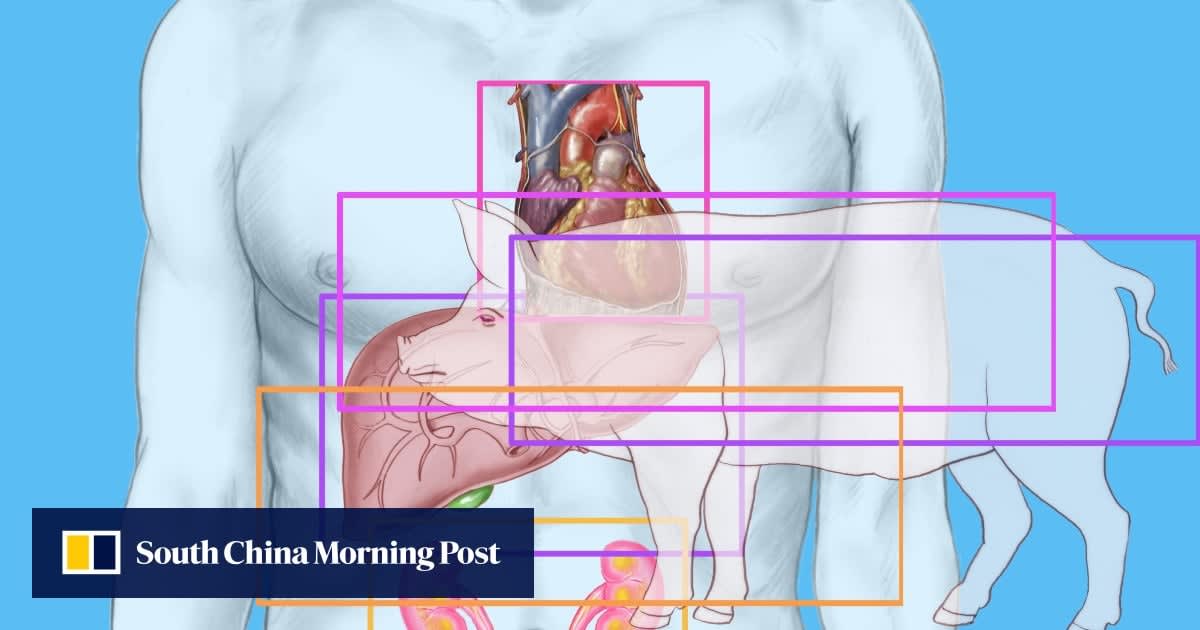
China Completes First Pig Liver and Kidney Transplant
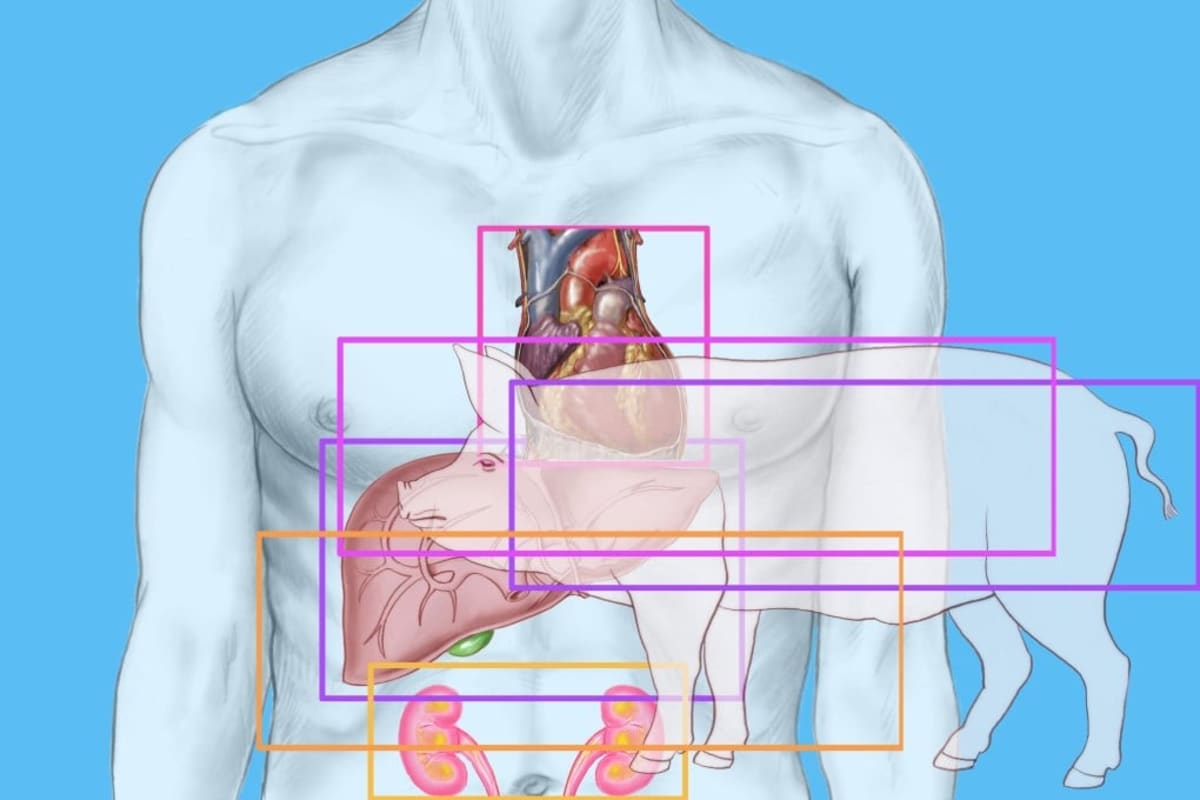
Chinese doctors successfully transplanted both a pig liver and kidneys into a human patient, marking the first time multiple organs from another species have been transplanted together. The organs functioned for nearly five days, offering new hope for the 100,000+ people waiting for life-saving transplants.
For the first time in medical history, doctors in China have successfully transplanted both a pig liver and kidneys into a human, opening a promising new chapter in solving the global organ shortage crisis.
The groundbreaking surgery took place at the Second Affiliated Hospital of Guangxi Medical University, where a team transplanted the organs into a 53-year-old brain-dead patient with his family's consent. The pig organs functioned properly for nearly five days before the study concluded.
This achievement represents a major leap forward in xenotransplantation, the process of transplanting organs between different species. While single-organ transplants from pigs have been attempted before, this marks the first successful multi-organ procedure.
The research team used orthotopic transplantation, meaning they placed the pig organs in the exact anatomical positions where human organs normally sit after removing the original organs. This approach mimics how actual transplant surgeries would work for patients desperately waiting for donors.
Their findings, published in the peer-reviewed journal Med in May 2026, provide crucial evidence that transplanting multiple pig organs into humans is medically feasible. The team also gathered valuable data on how the human immune system responds to foreign organs and how the body metabolizes with animal organs functioning inside it.
The Ripple Effect
More than 100,000 people in the United States alone are currently waiting for organ transplants, with thousands dying each year before a match becomes available. The global shortage is even more severe in developing nations where organ donation programs are less established.
If pig-to-human transplants become routine medical practice, that waiting list could shrink dramatically. Pigs can be bred specifically for medical purposes, creating a steady supply of organs that could save countless lives currently lost to the shortage.
This research also brings scientists closer to understanding how to prevent organ rejection when crossing species barriers. The immune and metabolic data collected during those five days will help future medical teams refine their techniques and potentially extend how long transplanted animal organs can function in human bodies.
The success of this combined liver and kidney transplant suggests that one day, patients with multiple organ failures might receive all the organs they need in a single surgery, rather than hoping for multiple separate donor matches.
This medical milestone brings hope one step closer to reality for families watching loved ones fade while waiting for organs that may never come.
More Images
Based on reporting by South China Morning Post
This story was written by BrightWire based on verified news reports.
Spread the positivity!
Share this good news with someone who needs it

.jpg%3Ftrim%3D381%2C760%2C3083%2C699%26width%3D1200%26height%3D800%26crop%3D1200%3A800)