China Creates AI Job Policy to Protect Workers
China is crafting its first national policy to help workers adapt as artificial intelligence reshapes jobs across industries. The plan includes massive training programs and new protections for gig workers.
China is taking action to protect millions of workers whose jobs are changing because of artificial intelligence, announcing the country's first comprehensive policy to ease the transition.
The Ministry of Human Resources and Social Security revealed plans this week for new guidelines addressing AI's impact on employment. The announcement comes as self-driving cars, smart factories, and automated systems become more common across Chinese industries.
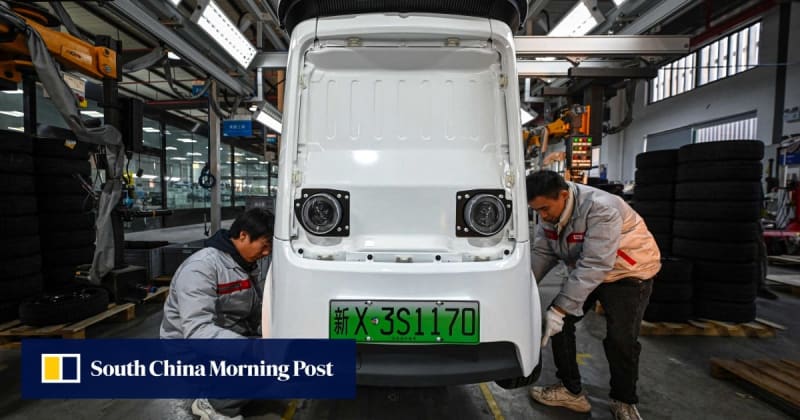
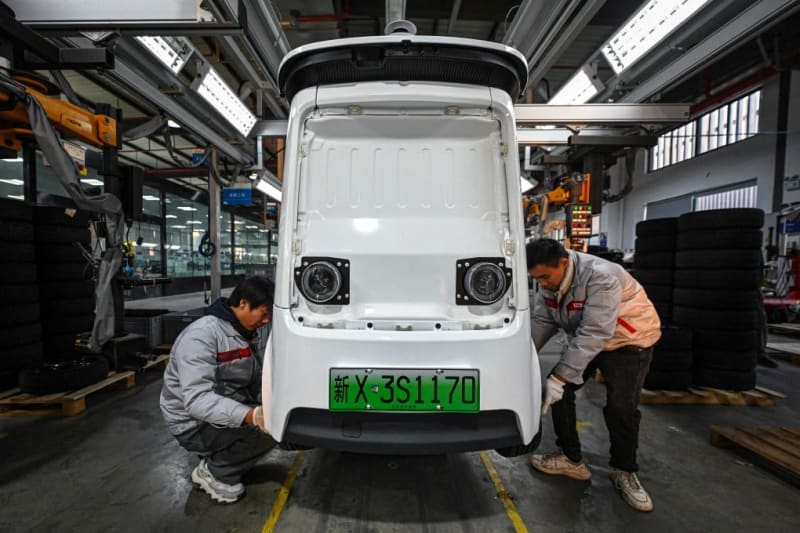
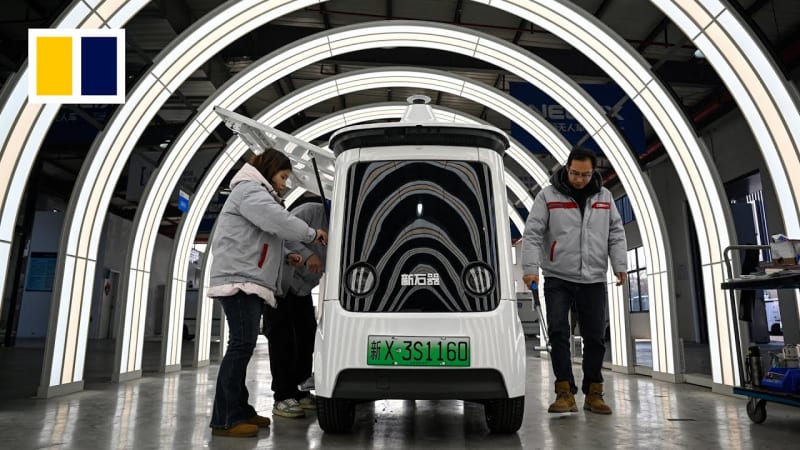
The numbers tell a powerful story. Baidu's robotaxi service Apollo Go now handles 250,000 rides weekly, with over 17 million trips completed globally. One steel company owner in Jiangsu province watched his workforce shrink from 6,000 to 5,000 employees in five years as smart equipment took over repetitive tasks.
But here's where the story gets interesting. While some jobs disappear, many more are being created. AI industry job postings jumped 19 percent last year, with explosive growth in fields like algorithm engineering and machine vision.
"The number of jobs created will definitely exceed those lost," said Gao Xudong, a professor at Tsinghua University's School of Economics and Management. His research backs that up: provinces with higher AI adoption actually showed consistent increases in manufacturing employment from 2021 to 2022.
The Bright Side
China's solution focuses on preparation, not panic. The new policy will launch massive vocational training programs specifically designed to teach workers AI-related skills. Instead of fearing replacement, workers will learn to use AI tools to work more effectively.
The government is also developing protections for people in gig and platform economy jobs, recognizing that work itself is evolving. Some experts even suggest rethinking traditional schedules, potentially reducing workdays from eight hours to six as efficiency improves.
David Wang, the steel company owner, noted that while his industry embraces "intelligent upgrades," the transition has been manageable. His factory now uses automated sampling, smart quality control, and driverless vehicles, but people still run the show.
China's urban unemployment has held steady around 5.1 percent over the past three years, with more than 12 million new jobs created annually. The challenge isn't whether there will be work, but ensuring people have the skills for tomorrow's opportunities.
This proactive approach shows how governments can shape technological change to benefit workers rather than leaving them behind in the transition.
More Images

Based on reporting by South China Morning Post
This story was written by BrightWire based on verified news reports.
Spread the positivity!
Share this good news with someone who needs it