China Creates Flexible Schools as Enrollment Shifts
As student numbers drop, Chinese cities are building innovative schools that adapt space and resources to changing enrollment, turning a demographic challenge into an opportunity for smarter education planning. The flexible model could save nearly $223 million while better serving students.
China is transforming how schools operate as fewer children enter the classroom each year, creating adaptable campuses that adjust to changing student populations.
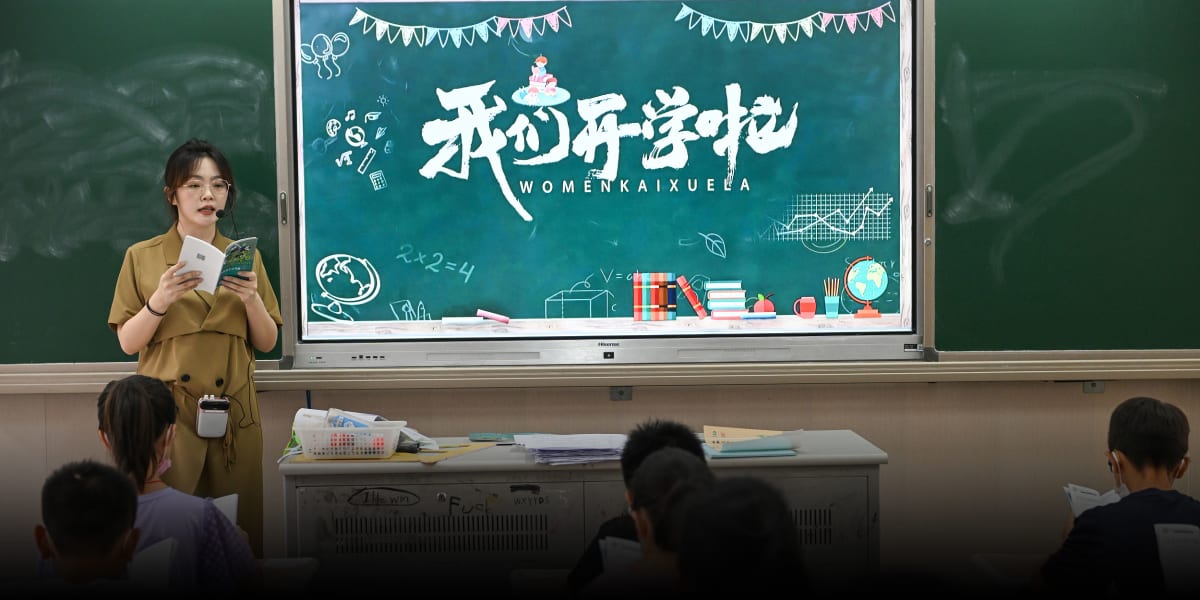
This fall, several Chinese cities opened "tidal schools" that can shift space and resources between grade levels as enrollment numbers fluctuate. Two pioneering schools in Yiwu welcomed their first students in September, featuring facilities that can be reallocated between primary, junior high, and senior high grades based on need.
The innovation comes as primary school enrollment dropped 10% in just one year, with 14.6 million students starting school in 2025 compared to nearly 16 million the year before. Rather than letting empty classrooms sit unused, education officials are rethinking the traditional fixed-size school model.
In Xiamen, Huli Innovation Experimental School expanded from nine years of education to 12 this year by reducing primary classes and adding 30 senior high school classes. Another campus originally planned as a primary school opened instead as a 36-class junior high school to meet current demand.
Hangzhou is investing $223 million to build five tidal schools by 2028. The flexible design is expected to accommodate 8,100 students while saving 46 acres of land and $134 million in public funds compared to traditional school construction.
The Ripple Effect
The changes extend beyond buildings to teachers themselves. Shanghai recently launched training programs helping educators transition between grade levels as student populations shift. Several provinces are recruiting junior high teachers from primary and senior high schools to balance staffing with enrollment realities.
The approach shows how demographic challenges can spark creative solutions. While some teachers and parents worry about adaptation periods, education officials are developing certification standards and training to ensure quality teaching across all transitions.
China's full-time primary teacher workforce decreased by 131,900 in 2025, but those educators aren't being lost. They're being redirected where students need them most, making efficient use of existing talent rather than facing layoffs or shortages.
The flexible school model represents a shift from rigid planning to responsive design, ensuring educational resources flow to where children actually are rather than where planners once expected them to be.
More Images




Based on reporting by Sixth Tone
This story was written by BrightWire based on verified news reports.
Spread the positivity!
Share this good news with someone who needs it