China Cuts Coal Emissions by 44 Million Tons Annually
A decade of green mining policies in China has slashed carbon emissions from coal production by 44 million tons each year across the country's largest coal-producing regions. The sustained reduction proves policy can drive meaningful environmental progress even in coal-dependent economies.
China just proved that even the world's largest coal producer can dramatically cut emissions without shutting down its mines.
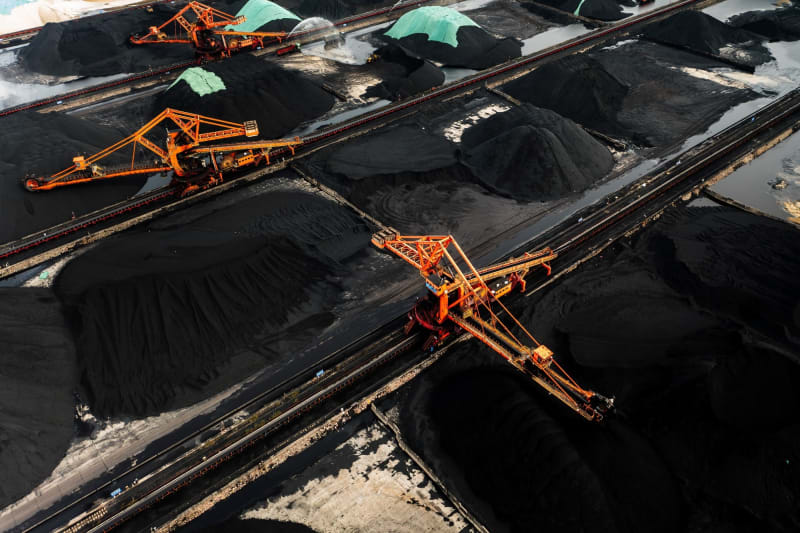
Over the past decade, green mining policies have reduced annual carbon emissions by 43.59 million tons across China's 14 major coal production bases. These regions account for nearly 97% of the country's raw coal output, making this reduction a genuine victory for climate action.
The transformation didn't happen overnight. Researchers tracked emissions from 2004 to 2021 and found something encouraging: while short-term impacts were modest, the long-term effects strengthened year after year.
The turning point came in 2011 when "green mining" first appeared in national policy documents. Before that, emissions were climbing steadily alongside expanding coal production. After implementation, the trend reversed in most regions.
The policies worked by promoting smarter extraction methods, better resource efficiency, digital management systems, and ecological restoration. They also required phasing out inefficient mines and upgrading technology at existing facilities.
Central and eastern coal-producing regions saw the strongest results. Some northeastern and eastern areas showed weaker immediate responses, likely because they were already consolidating resources or dealing with conflicting production goals.
The Ripple Effect starts with how these changes happened. China didn't just demand cleaner mining; it created a comprehensive framework combining strict regulations, market incentives, and composite tools that blend multiple approaches. This multi-layered strategy gave mining operations both the pressure and support needed to transform.
The most effective pathway was conservation and efficient resource use. By optimizing capacity structure and closing outdated mines, China reduced waste while maintaining production levels that power its massive economy.
What makes this especially meaningful is the context. In 2023, China produced more than half the world's coal—4.71 billion tons. Coal-related carbon emissions globally hit 15.3 gigatons in 2021, so any reduction at this scale creates ripples felt worldwide.
The research team used sophisticated analysis to ensure these results weren't just coincidence. They tracked policy intensity, which increased more than tenfold after 2011, and measured its direct correlation with emissions reductions.
This success story matters beyond China's borders. It demonstrates that countries heavily dependent on fossil fuels can implement meaningful climate action without economic collapse. The policies aligned coal production with China's "dual carbon" goals while supporting continued industrial development.
The 44-million-ton annual reduction represents sustained, measurable progress—the kind that inspires hope that larger transformations are possible when policy, technology, and determination align.
More Images


Based on reporting by Google News - Emissions Reduction
This story was written by BrightWire based on verified news reports.
Spread the positivity!
Share this good news with someone who needs it