China Delivers $2 Flowers 2,000 km in 24 Hours
Fresh roses travel from rural Yunnan to Shanghai for just $2, including free delivery. China's massive logistics network just made everyday luxuries affordable for millions.
Imagine ordering fresh roses online for less than the price of a coffee and having them arrive at your door the next day, even though they traveled over 1,200 miles.
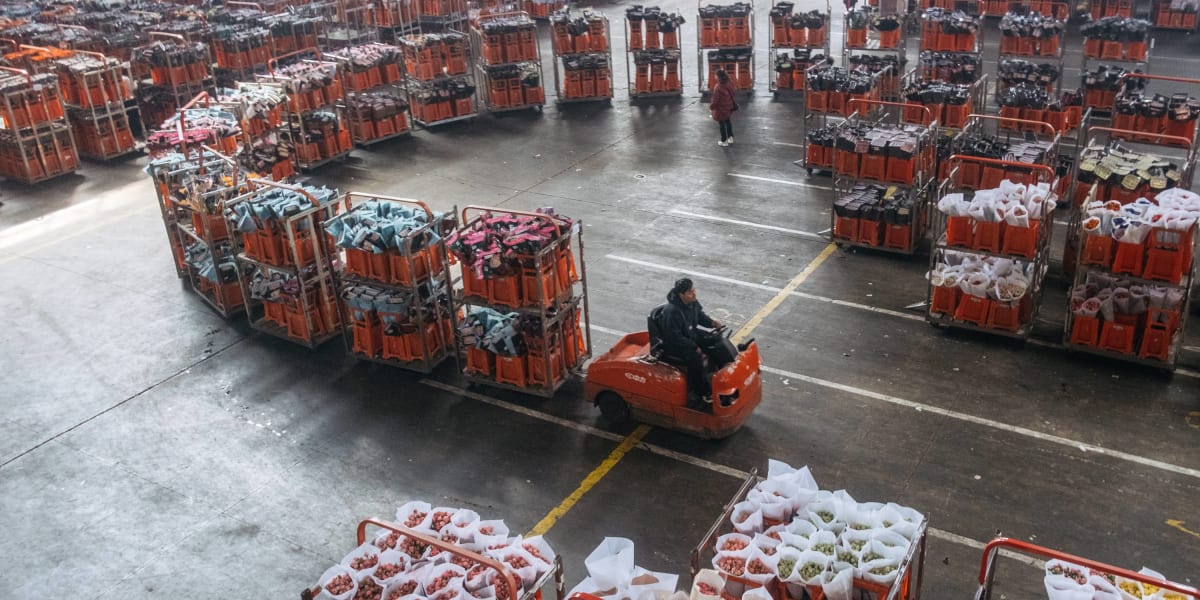
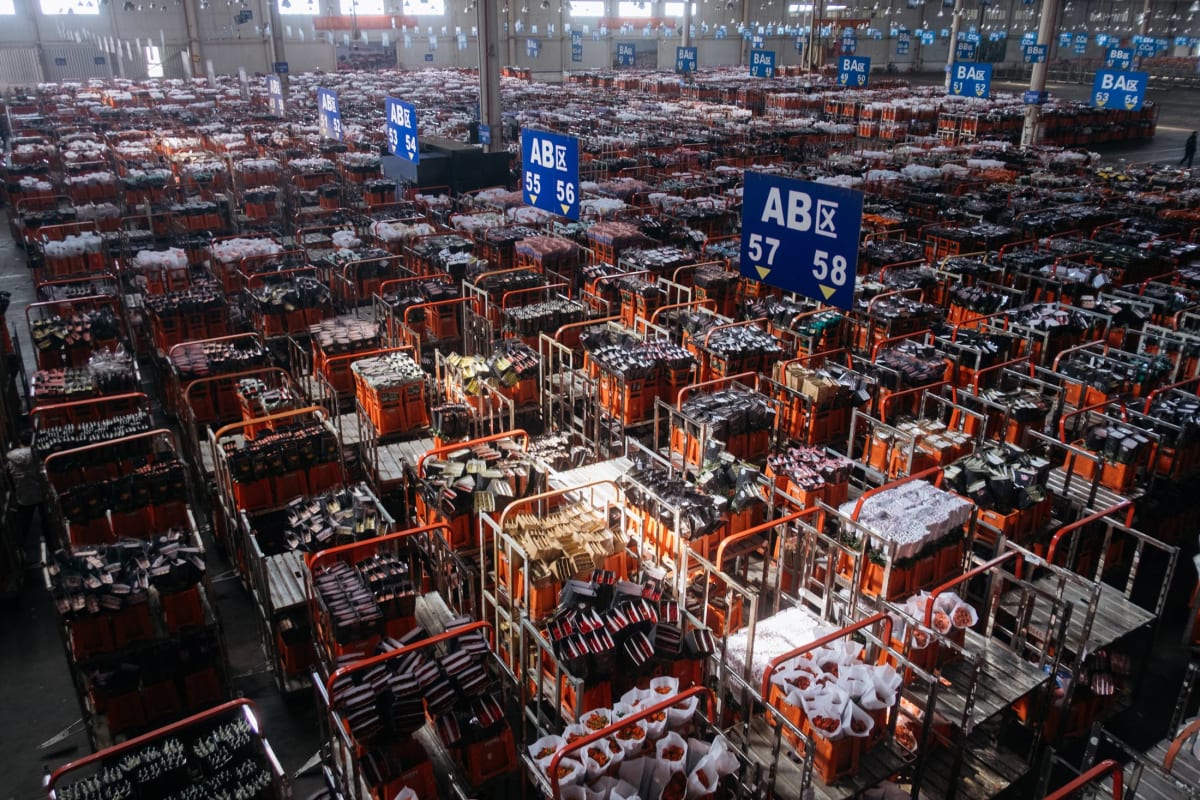
That's exactly what happens every day in China, where bouquets from Yunnan province reach cities like Shanghai for just 14 yuan (about $2), shipping included. These aren't artificial flowers or wilted leftovers. They're fresh-cut roses that must be harvested, sorted, packed, and delivered within a tight window before they wilt.
The secret isn't magic. It's math, scale, and smart planning working together at a level most countries have never achieved.
In 2025, Chinese delivery companies handled nearly 200 billion parcels. That's roughly 550 million packages moving through the system every single day, with 90% traveling between different cities or provinces.
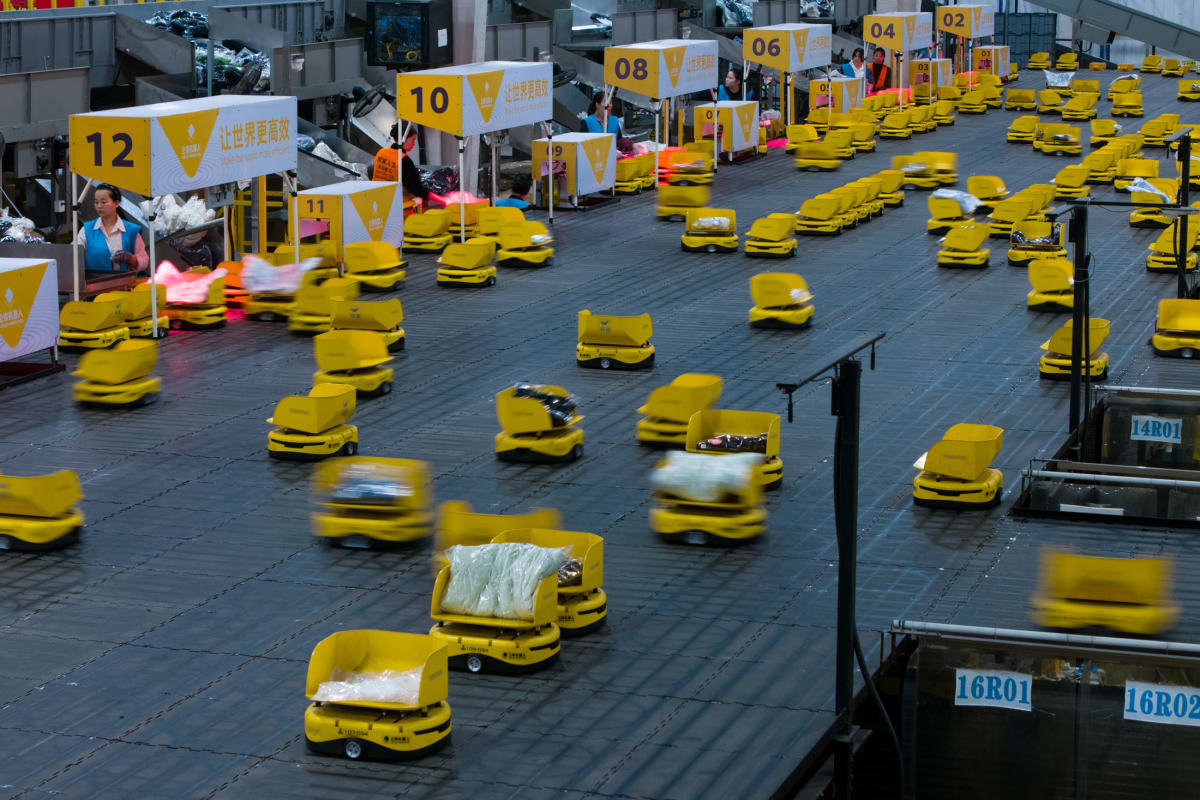
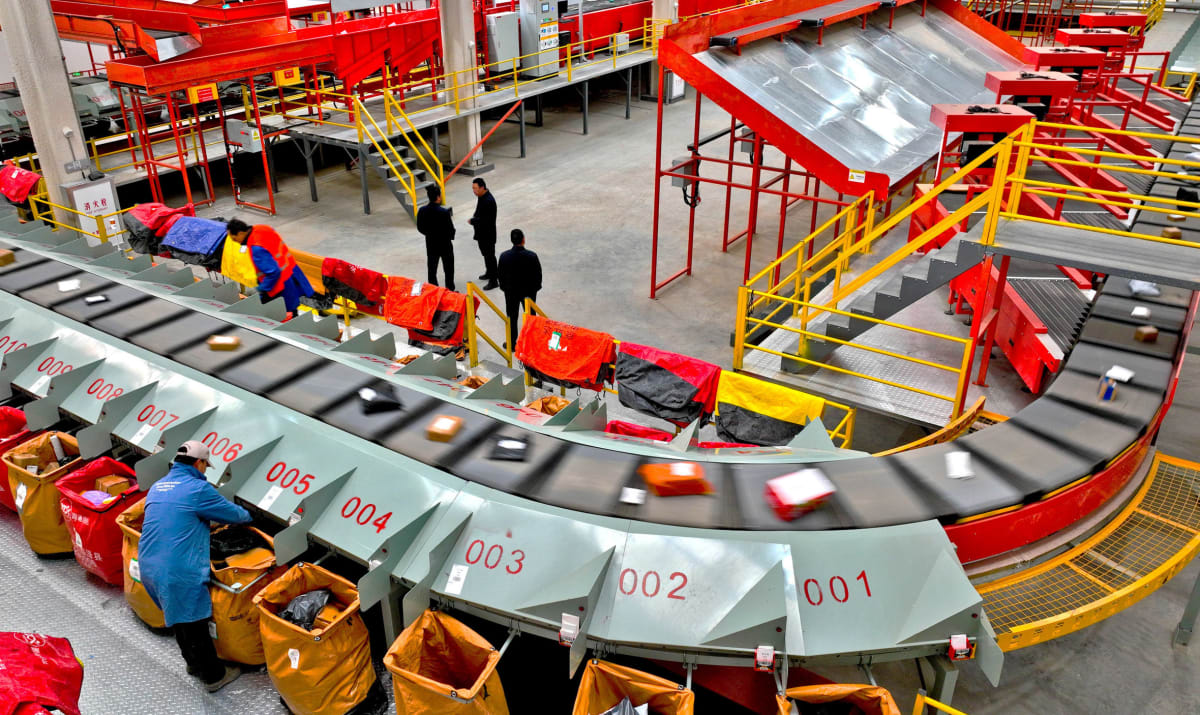
This enormous volume lets companies build dedicated routes, invest in automated sorting centers, and spread infrastructure costs across hundreds of millions of deliveries. When you're already sending a truck from Yunnan to Shanghai, adding another bouquet barely increases the cost.
But volume alone would create chaos without coordination. China's logistics companies now use presales during shopping festivals to predict exactly where demand will spike and prepare inventory weeks in advance.
JD.com, one of China's largest platforms, operates over 3,600 warehouses across 2,800 county-level areas. They position products close to where people actually live, so a bouquet doesn't have to travel the full distance after you click "buy."
Some presold items now move to regional hubs before customers even complete their purchase. Once payment goes through, delivery can start immediately, with some orders arriving within hours instead of weeks.
The system works because forecasting tells companies what people will buy, warehousing puts inventory near customers before orders arrive, and massive daily volume makes the entire network more efficient with each additional package.
The Ripple Effect
This isn't just about cheaper flowers. The same system delivers fresh produce, handmade crafts from rural artisans, and small-batch products that would never survive traditional retail economics.
Farmers in remote provinces can now sell directly to city customers without middlemen eating their profits. Small business owners can compete with major brands because logistics costs don't crush thin margins anymore.
What once seemed impossible became routine, and what seemed like a luxury became accessible to hundreds of millions of people.
China's logistics revolution proves that when infrastructure, technology, and scale align, everyday moments of joy become affordable for everyone.
More Images

Based on reporting by Sixth Tone
This story was written by BrightWire based on verified news reports.
Spread the positivity!
Share this good news with someone who needs it