%2Ffile%2Fdailymaverick%2Fwp-content%2Fuploads%2F2025%2F10%2FGettyImages-464359476.jpg)
China Deploys 20,000 Hydrogen Trucks Using Platinum Tech
After decades of broken promises, hydrogen fuel cell technology is finally going commercial in China with massive fleets already on the road. This breakthrough could transform South Africa's struggling platinum industry and accelerate clean energy adoption worldwide.
A single Chinese company is operating over 20,000 hydrogen-powered trucks right now, and almost nobody outside the industry knew about it.
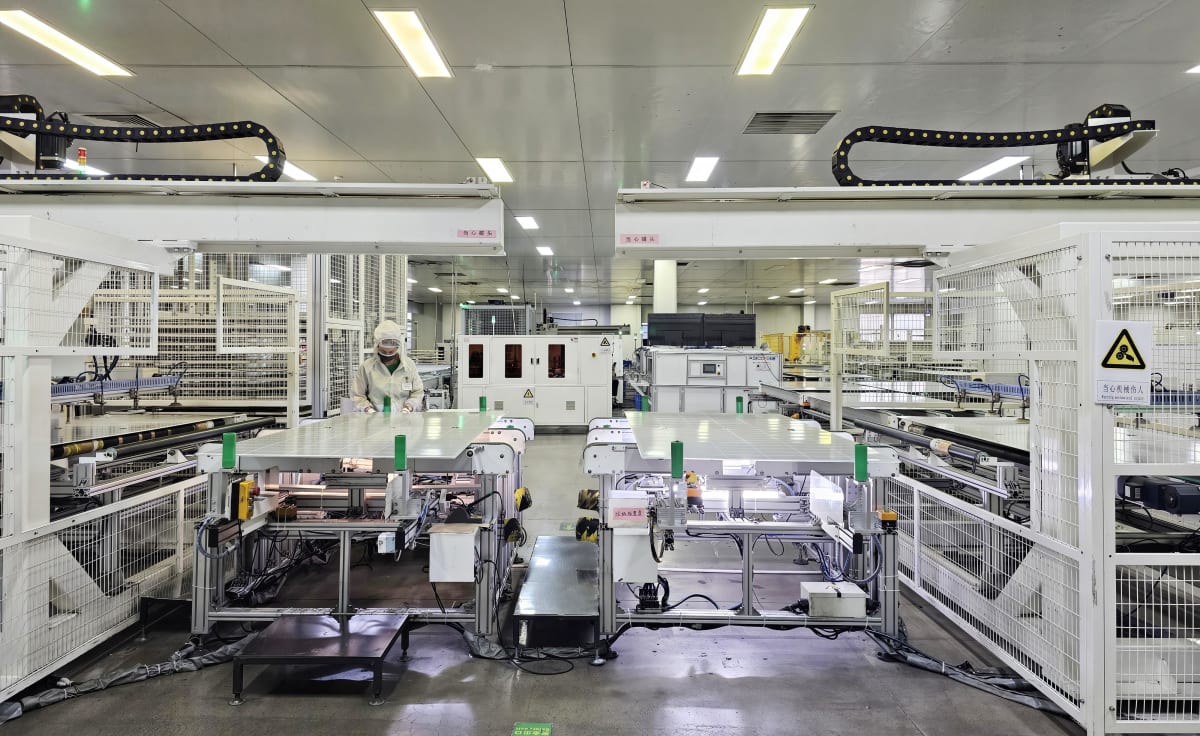
This quiet revolution represents the commercialization breakthrough that platinum producers have been waiting decades to see. Each truck contains 100 grams of platinum as a critical catalyst in its fuel cell, and the company plans to expand its fleet to 200,000 vehicles.
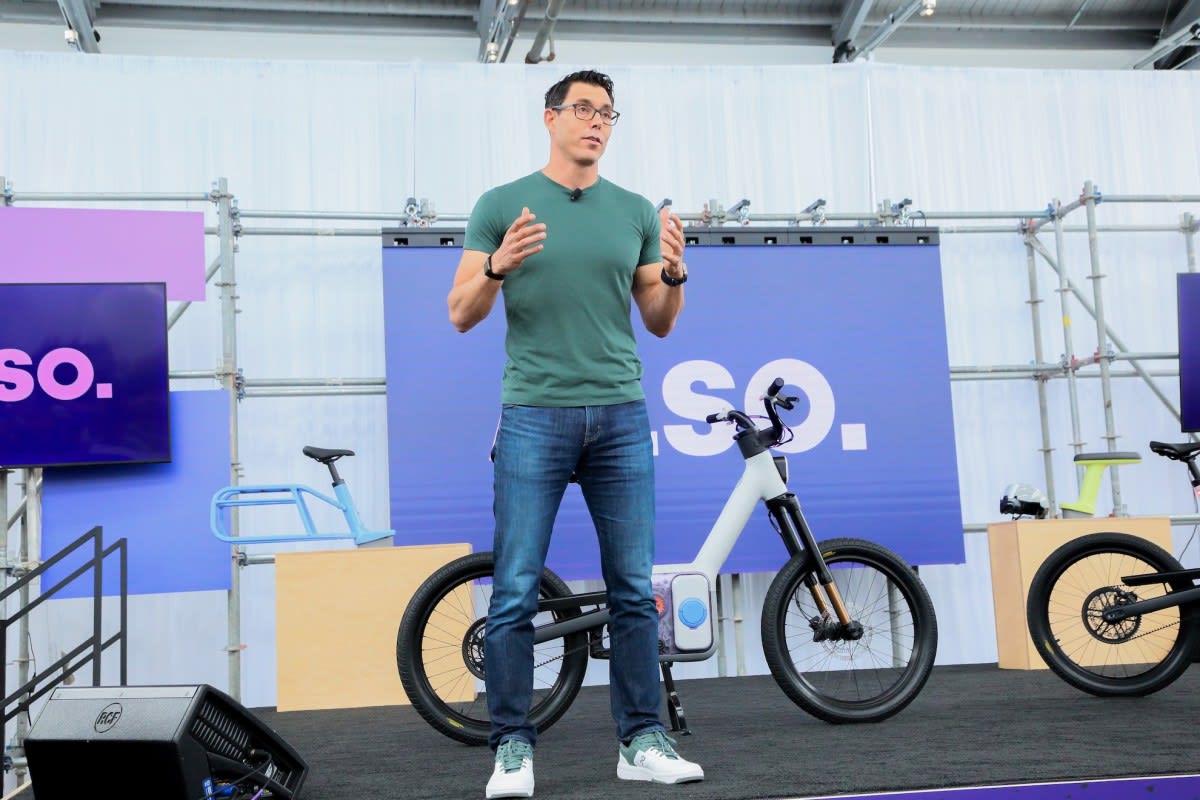
Northam Platinum CEO Paul Dunne discovered the development almost by accident. A major Japanese customer, Mitsubishi, mentioned they were supplying fuel cell catalysts to a Chinese coal company. When Northam executives flew to China to investigate, they found something remarkable: a fully operational commercial fleet, not a research project.
"We expected hydrogen to go commercial in the 90s, then the 2000s, then the 2010s," Dunne explained at a platinum conference in Johannesburg. "We got disillusioned." The industry had watched hydrogen hype cycles come and go for three decades while concrete adoption remained perpetually 10 years away.
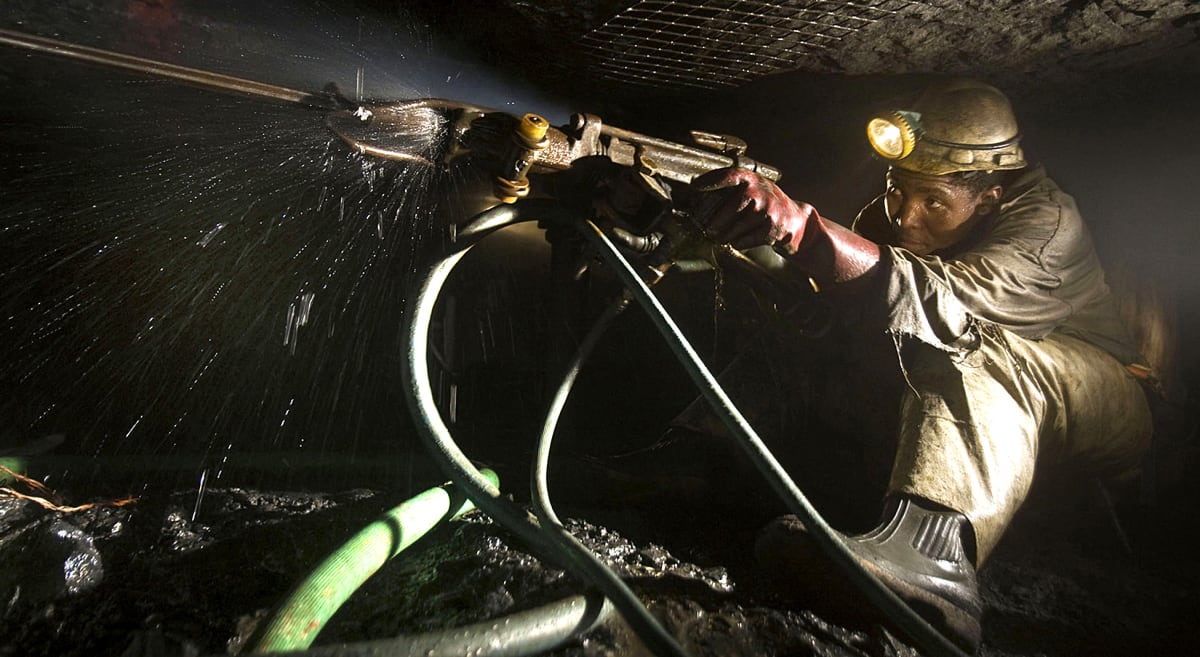
The timing couldn't be better for South Africa's platinum sector. Electric vehicles don't need platinum, threatening a major market for the metal. Hydrogen fuel cells offer a powerful alternative that requires significant amounts of the precious metal South Africa mines in abundance.
China has embedded green hydrogen development in its latest five-year plan, signaling serious national commitment. Other platinum companies had noticed mysterious platinum flows into China in recent years with unknown destinations. This truck fleet solves part of that puzzle.
The Ripple Effect
The breakthrough extends beyond transportation. South Africa's Department of Mineral and Petroleum Resources has quietly begun accepting applications for natural hydrogen exploration across over three million acres of the Bushveld region. UK company H2Au is already moving forward with exploration rights in areas near major industrial corridors.
Natural hydrogen offers advantages over current methods. It's low-carbon from extraction through use, stored naturally in the Earth's crust as a stable, renewable resource. Companies are already engaging with potential customers for clean power, heat, and fertilizer production.
The Chinese company operating the truck fleet produces coking coal, highlighting an unexpected twist in the energy transition. While hydrogen fuel cells produce clean energy when running, some carbon footprint exists in their production, similar to wind turbines that require 60 tonnes of coking coal in construction.
Still, industry leaders see genuine momentum this time. "The energy transition will happen, and the outlook for platinum demand from hydrogen fuel cells is promising," said Valterra Platinum CEO Craig Miller. "If anyone can do it, it's the Chinese."
After three decades of waiting, the hydrogen economy is finally moving from PowerPoint presentations to real roads with real trucks carrying real cargo, and that shift could reshape both the energy sector and South Africa's economic future.
More Images

%2Ffile%2Fdailymaverick%2Fwp-content%2Fuploads%2F2022%2F05%2Ffdhaultruck1-1.jpg)
Based on reporting by Daily Maverick
This story was written by BrightWire based on verified news reports.
Spread the positivity!
Share this good news with someone who needs it