China Expands Space Partnerships with Europe and Brazil
China is stepping up global space collaboration in 2026, with new satellites launching through partnerships spanning three continents. The decades-long cooperation shows how nations can advance science together while sharing the benefits of space technology.
Countries around the world are joining forces to unlock the mysteries of space, and China's latest partnerships show how international teamwork is reaching new heights.
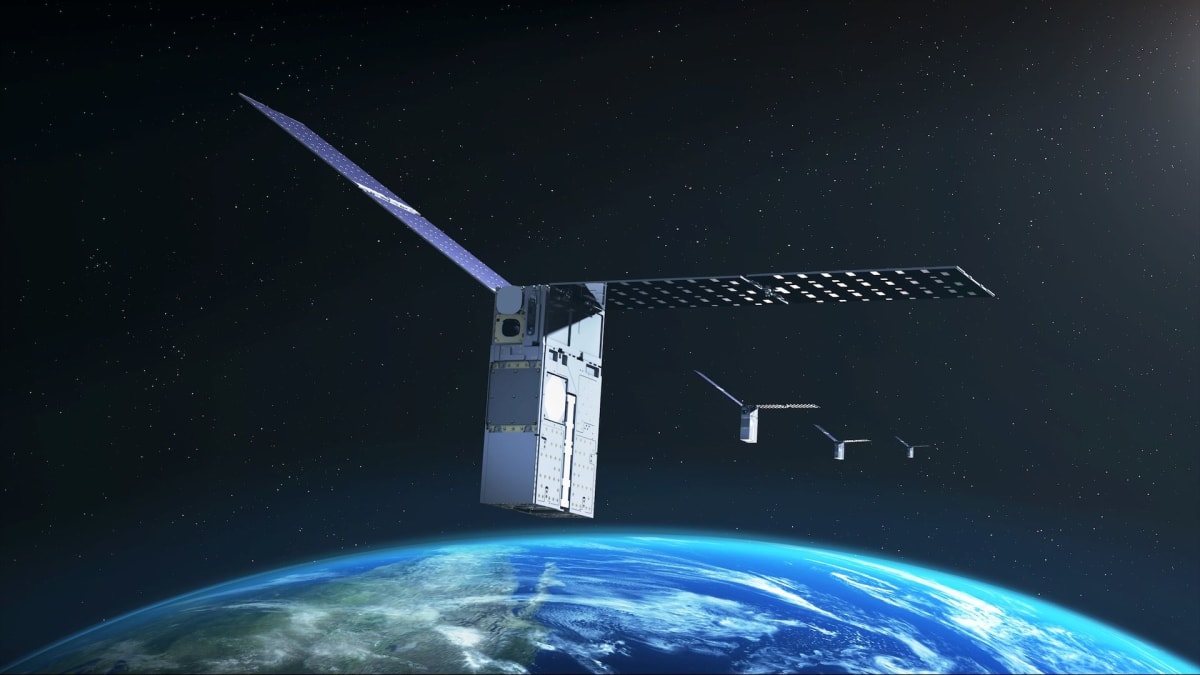
The China National Space Administration announced Friday that 2026 will bring expanded cooperation with partners across Europe and South America. At the center of this collaboration is the SMILE satellite, a joint China-Europe mission launching this year to study how solar winds interact with Earth's protective magnetic field.
SMILE stands for Solar wind Magnetosphere Ionosphere Link Explorer, and it represents exactly the kind of science that benefits everyone. Understanding these space weather patterns helps protect satellites, power grids, and communication systems that billions of people rely on every day.
China and Brazil are also celebrating nearly four decades of partnership through their Earth Resources Satellite program, which started back in 1988. This collaboration has become a model for how developing nations can work together on advanced technology projects that serve real needs.
The partnership has helped both countries monitor their environments, manage natural resources, and respond to disasters more effectively. Now they're planning CBERS-06 while refining designs for CBERS-05, extending a legacy that proves cooperation beats going it alone.
Last year, China and Italy successfully launched their second electromagnetic monitoring satellite together. This mission provides crucial data for tracking space weather and environmental changes, giving scientists new tools to understand our planet's relationship with the cosmos.
The Ripple Effect
These partnerships create benefits that flow far beyond the countries directly involved. When nations share satellite data and technology, farmers in distant regions get better weather forecasts, coastal communities receive earlier tsunami warnings, and scientists everywhere gain insights into climate patterns.
Brazil's invitation as the guest of honor for China's Space Day celebrations on April 24 highlights how these relationships build bridges between cultures while advancing human knowledge. The event in Chengdu will feature science exhibitions, cultural forums, and a major space conference bringing together experts from around the globe.
The collaboration also makes space exploration more accessible to countries that might struggle to fund programs alone. By pooling resources and expertise, partners can tackle bigger questions and achieve more ambitious goals than any single nation could manage independently.
These missions remind us that some of humanity's greatest achievements happen when we look beyond borders and work toward shared goals in the final frontier.
More Images



Based on reporting by Google: cooperation international
This story was written by BrightWire based on verified news reports.
Spread the positivity!
Share this good news with someone who needs it