China Fossils Push Complex Life Back 4 Million Years
Scientists discovered over 700 fossils in China that prove complex animals existed millions of years earlier than we thought. The find rewrites our understanding of when life on Earth became truly diverse.
The story of life on Earth just got a major rewrite, and it's more amazing than scientists ever imagined.
Researchers from Oxford University and Yunnan University discovered more than 700 fossils in southwest China that date back between 554 and 539 million years ago. These aren't simple organisms, they're complex animals with specialized body parts, feeding systems, and sophisticated designs.
For decades, scientists believed complex animal life burst onto the scene during the Cambrian explosion around 535 million years ago. This discovery pushes that timeline back by at least 4 million years and shows that many animal groups were already thriving before the Cambrian period even began.
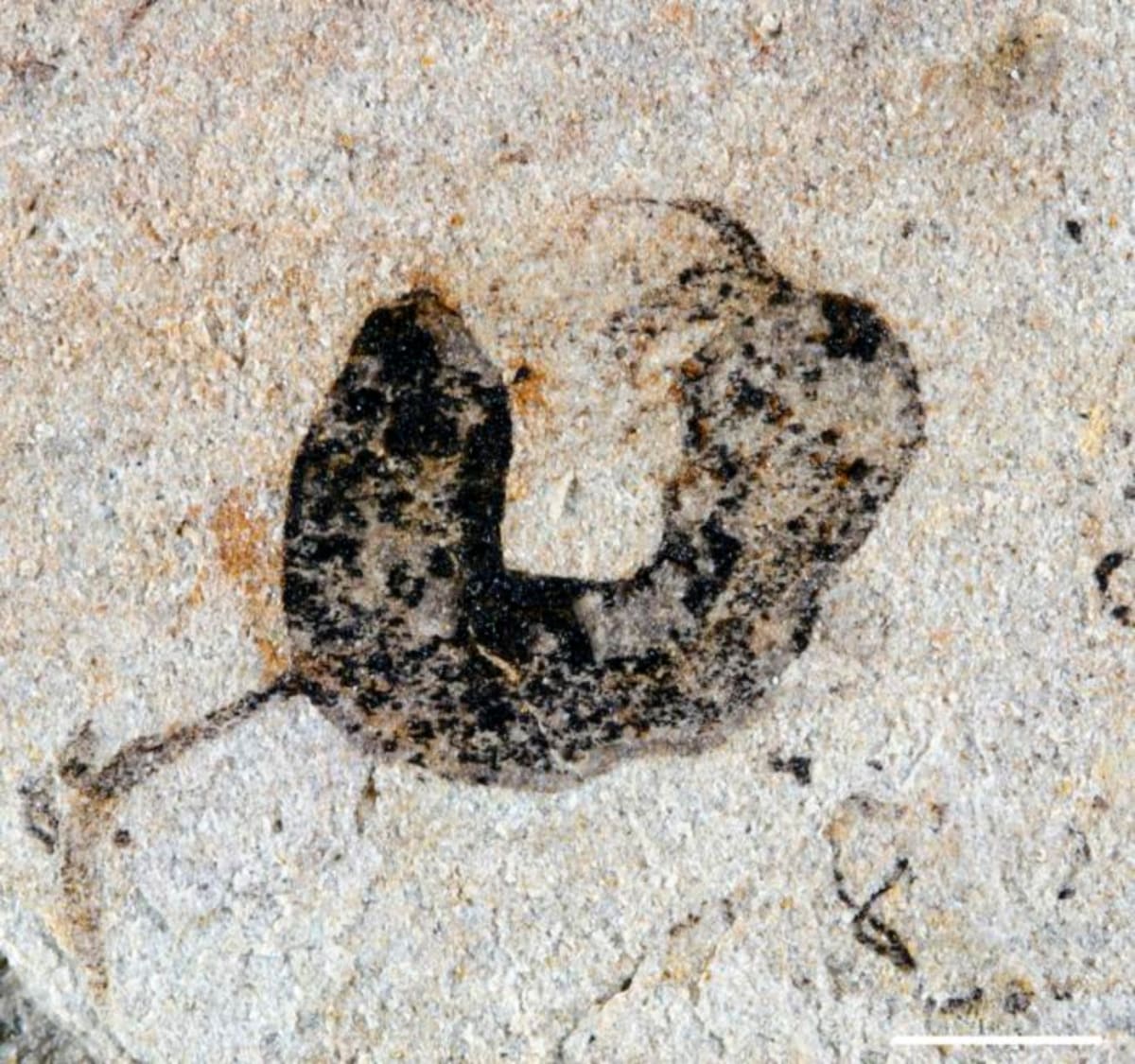
The fossil site, called the Jiangchuan Biota, includes some of the oldest known ancestors of animals with backbones. That group eventually led to fish, and much later, to humans. The researchers also found early relatives of starfish and sea cucumbers, creatures with U-shaped bodies, stalks for anchoring to the seafloor, and tentacles for catching food.
What makes these fossils extraordinary is their preservation. Most fossils from this era appear as simple impressions in rock with little detail. These specimens preserved as thin carbon films, revealing fine structures like feeding organs, guts, and movement systems.
Why This Inspires
For nearly ten years, Professor Peiyun Cong and Professor Fan Wei led their team across the rugged terrain of southwest China searching for clues. Earlier expeditions found only algae fossils in these rocks. After years of patient work, they finally discovered sites where animal fossils appeared alongside the algae.
Dr. Frankie Dunn compared one specimen to the sand worm from Dune because of its unusual combination of tentacles, stalks, and feeding structures that turn inside out. These strange designs show that early life experimented wildly with different body forms, some leading to modern animals and others disappearing into evolutionary history.
The discovery solves a puzzle that frustrated scientists for years. Genetic studies long suggested that complex animal groups evolved before the Cambrian explosion, but fossil evidence remained frustratingly limited. This transitional community bridges the gap between the strange world of the Ediacaran period and the more familiar animals of the Cambrian.
Professor Ross Anderson notes that the apparent absence of these animals from other sites might simply reflect preservation conditions rather than their true absence. Similar communities may have existed elsewhere but weren't preserved in ways we could discover.
The fossils prove that our evolutionary roots stretch back further than we knew, and that life's creativity began experimenting with complexity millions of years earlier than the textbooks said.
Based on reporting by Google: fossil discovery
This story was written by BrightWire based on verified news reports.
Spread the positivity!
Share this good news with someone who needs it