China Hits 28% Efficiency Record in Next-Gen Solar Cells
Chinese scientists just achieved a breakthrough that could revolutionize solar power, creating ultra-lightweight panels that work on everything from buildings to satellites. The new solar cells converted sunlight to electricity at a record 28.04% efficiency while staying flexible enough to wear.
Solar panels just got a major upgrade that could bring clean energy to places traditional panels could never reach.
Scientists at the Chinese Academy of Sciences developed a new type of solar cell that achieved 28.04% efficiency, setting a world record for perovskite-organic tandem technology. These aren't your rooftop's bulky glass panels. They're ultra-lightweight, flexible, and could be integrated into clothing, curved building surfaces, or launched into space.
The breakthrough solves a stubborn problem that has blocked progress for years. Wide-bandgap perovskite materials, which make these cells possible, tend to break down quickly during manufacturing and use. The Chinese team cracked this challenge by adding a special photo-convertible molecule that keeps the material stable.
Think of these tandem cells like a relay team for sunlight. Different layers absorb different wavelengths of light, working together to capture more solar energy than traditional single-layer panels. It's like having multiple nets to catch fish of different sizes instead of just one.
The durability is equally impressive. After running continuously for 625 hours (about 26 days), the cells still maintained 90% of their original efficiency. That's crucial for real-world applications where panels need to work reliably for years.
The Ripple Effect
This technology opens doors that were previously closed to solar power. Buildings with curved or unusual surfaces could generate their own electricity without heavy traditional panels. Hikers might wear solar-charging jackets. Emergency responders could deploy lightweight power sources in disaster zones.
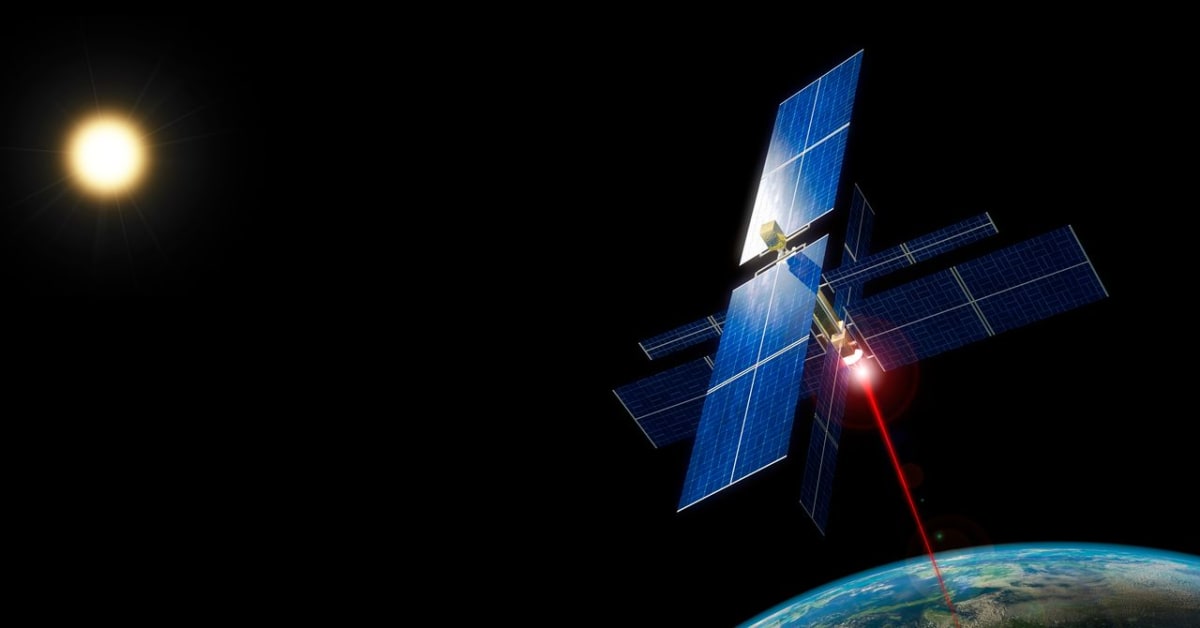
Satellites and spacecraft stand to benefit enormously. Every ounce matters when launching into orbit, and flexible panels that roll up for transport then unfold in space could power the next generation of missions. The aerospace industry has been waiting for exactly this kind of innovation.
Li Yongfang, one of the lead researchers, told Chinese state media that these cells could "accelerate the global transition to clean energy." He's not exaggerating. Solar power already provides the cheapest electricity in history, but it's still limited by where you can physically install heavy glass panels.
The research team published their findings in Nature, one of the world's most prestigious scientific journals. That peer review process means other scientists have verified the claims and the breakthrough is legitimate.
The technology could reach commercial production within a few years if manufacturing can scale up while maintaining quality. When it does, solar power will finally go wherever people go.
Based on reporting by Google News - Solar Power Record
This story was written by BrightWire based on verified news reports.
Spread the positivity!
Share this good news with someone who needs it