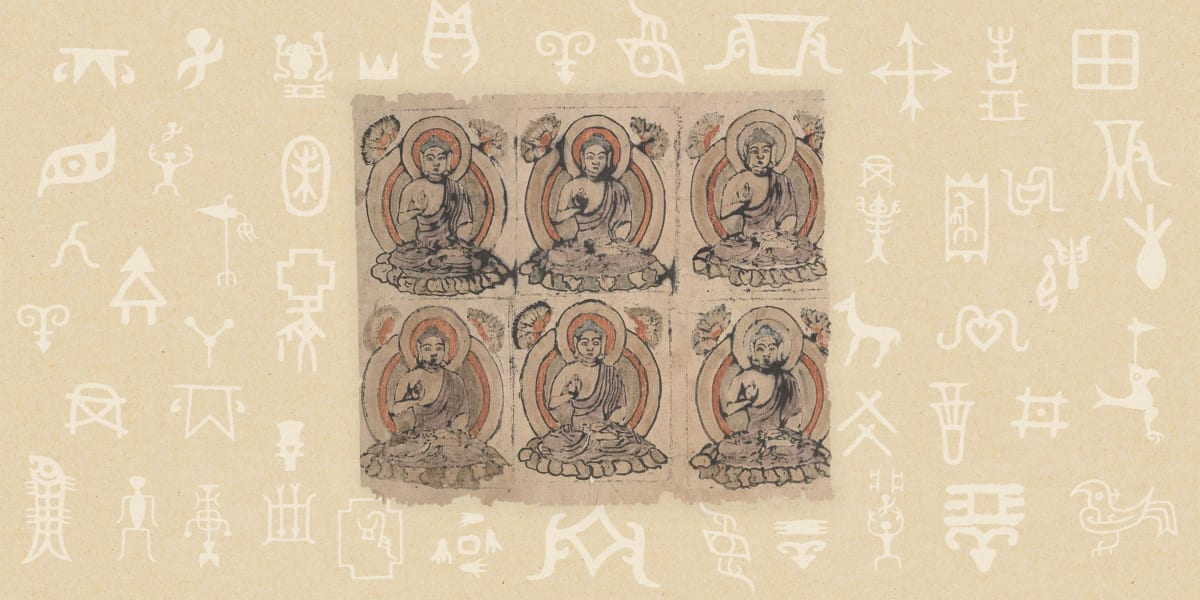
China Invests $52K Per Project to Save Ancient Studies
China is rescuing endangered academic fields that decode ancient texts and preserve thousands of years of cultural knowledge. The government now funds these once-overlooked disciplines as part of its national cultural strategy.
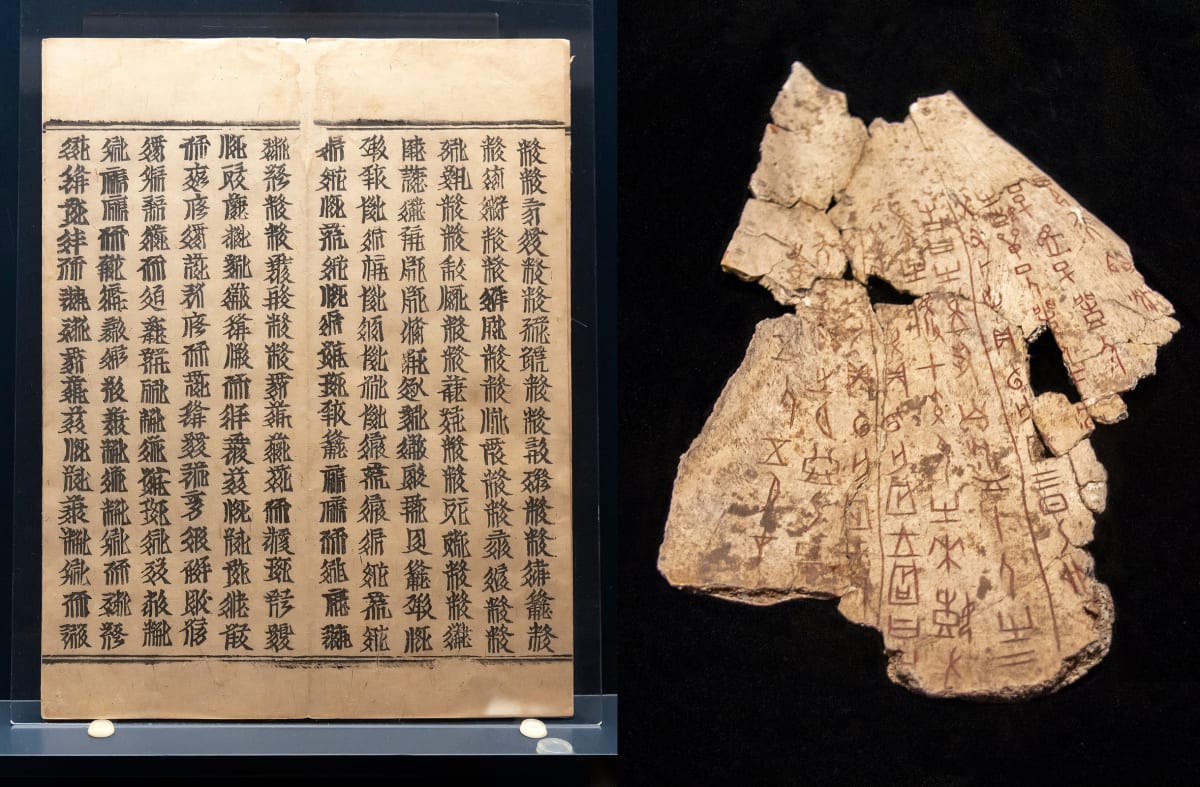
Ancient oracle bone scripts, thousand-year-old silk manuscripts, and star charts from dynasties past could have vanished into obscurity, but China is making sure that doesn't happen.
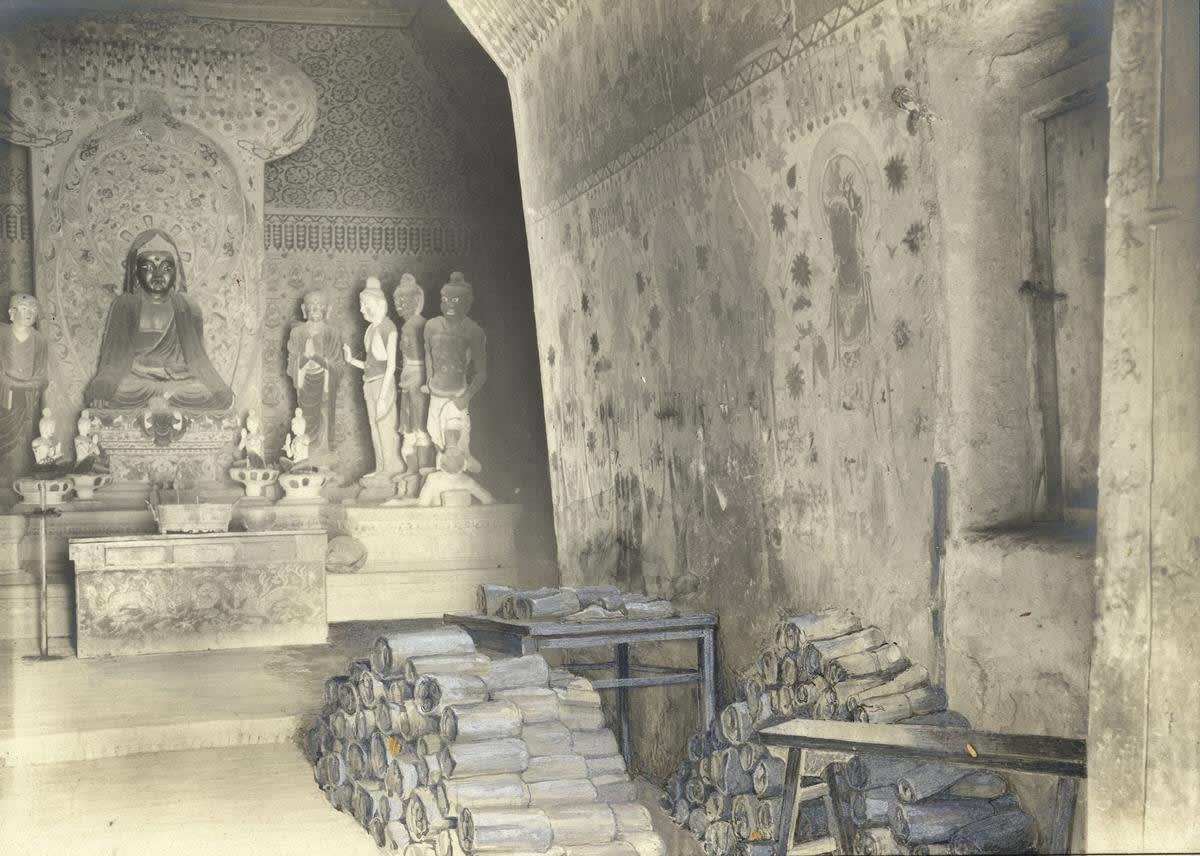
The country has launched a major initiative to save what scholars call "lengmen juexue," or niche and endangered disciplines. These are fields like Dunhuang studies, ancient musicology, and bamboo slip decoding that few people study but hold irreplaceable keys to understanding Chinese civilization.
The turnaround started in 2016 when President Xi Jinping called for protecting marginal disciplines with high cultural value. Two years later, China established dedicated funding programs providing up to $52,000 for individual research projects and $120,000 for collaborative work.
These aren't the majors that Chinese students typically choose after their college entrance exams. While most graduates flock to computer science, medicine, and accounting for stable careers, these ancient studies attract only tiny research communities. Yet their work answers profound questions about China's past.
How were oracle bones inscribed thousands of years ago? How did ancient societies develop calendars by observing the skies? What do manuscripts hidden in desert caves reveal about cultural exchange along the Silk Road? Researchers spend decades finding answers that may seem distant from modern life but form the foundation of how a civilization understands itself.
The Ripple Effect
The impact reaches beyond dusty archives. These disciplines help China interpret its own historical narrative and cultural identity. When scholars decode ancient ethnic writing systems or study Chinese texts preserved overseas, they're not just doing academic work. They're ensuring that future generations can still read and understand cultural treasures that have survived physically but risk becoming intellectually inaccessible.
The funding puts these endangered fields on equal footing with other major national research initiatives. It's a recognition that civilizations endure not just by creating new knowledge but by preserving and interpreting their past.
What was once marginalized following the introduction of Western academic disciplines in the modern era is now becoming central again. Fields like philology, epigraphy, and Confucian classics that thrived during the Northern Song dynasty a thousand years ago are getting renewed attention and resources.
The initiative proves that a nation's wealth isn't measured only in GDP growth but in how well it safeguards the knowledge that makes it unique.
More Images


Based on reporting by Sixth Tone
This story was written by BrightWire based on verified news reports.
Spread the positivity!
Share this good news with someone who needs it