China Lands Second Reusable Rocket in 40 Days
A Chinese company just pulled off a picture-perfect rocket landing, marking the second successful booster recovery in China within six weeks. The space race is heating up, and reusable rockets are becoming the new normal.
China just landed its second reusable rocket booster in 40 days, and the speed of progress is turning heads around the world.
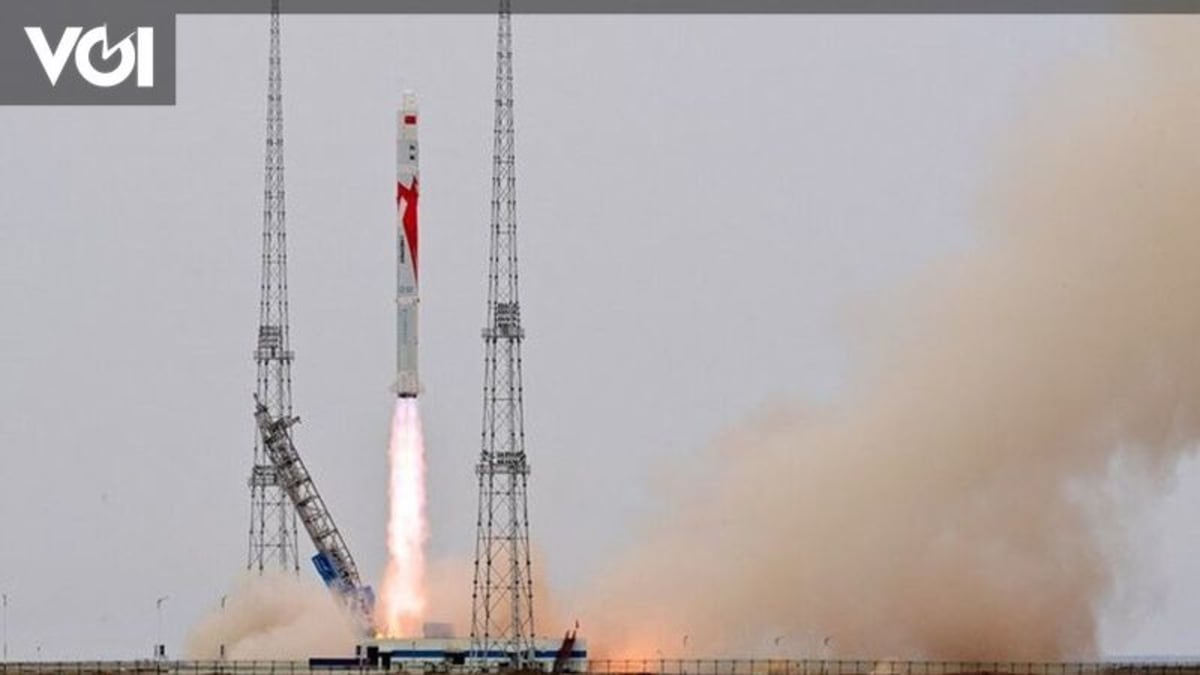
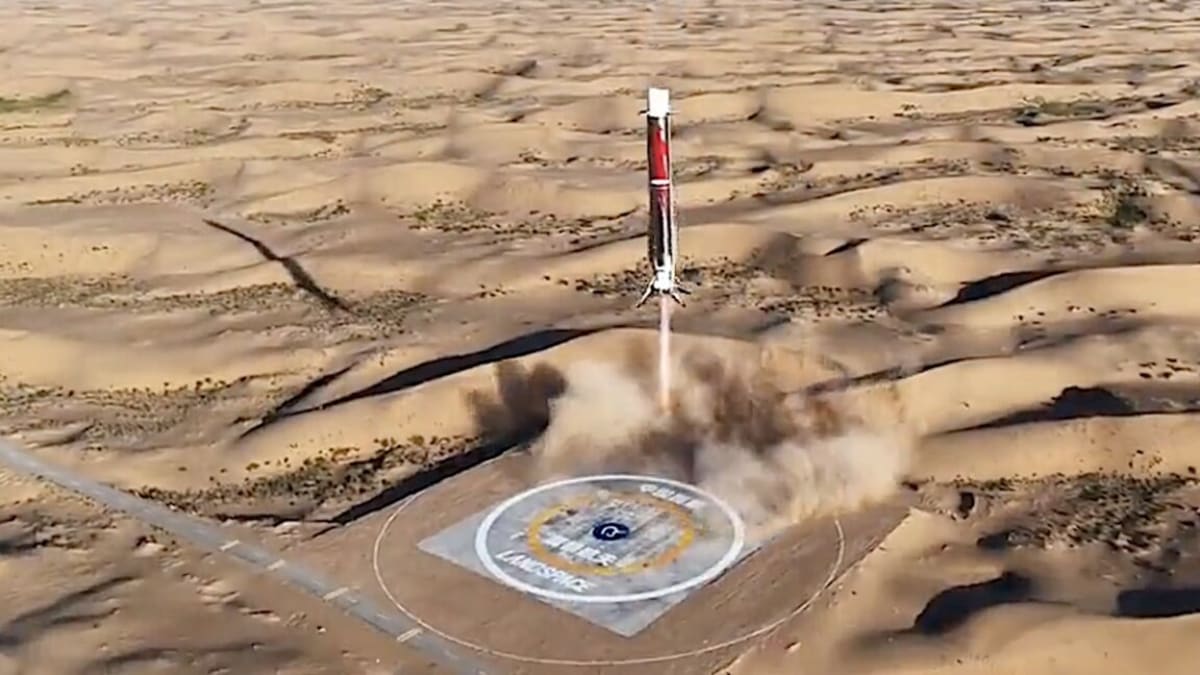
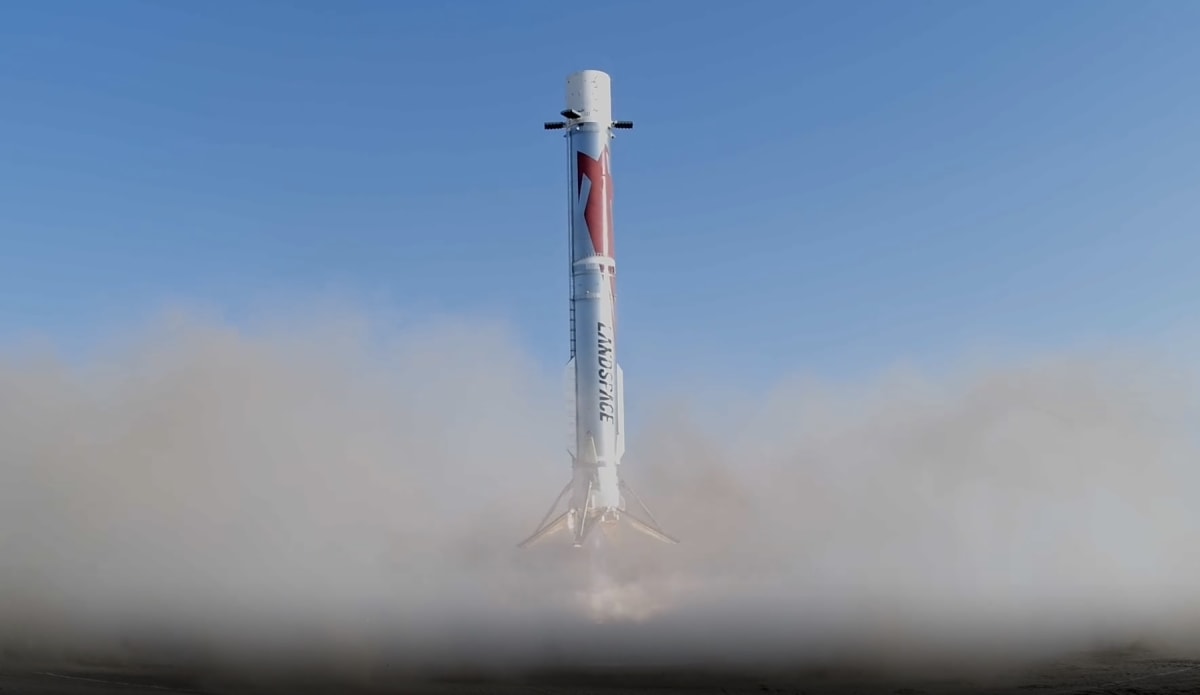
LandSpace, a private Chinese space company, successfully recovered its Zhuque-3 rocket booster Tuesday after launching from the Gobi Desert. The 216-foot-tall stainless steel rocket completed its mission, delivering a satellite to orbit before its first stage returned to Earth and touched down gently on four landing legs about 240 miles from the launch site.
This marks a major milestone: China's first successful ground landing of an orbital rocket booster. Just 40 days earlier, another Chinese company caught a different booster in a net on an ocean platform. For context, it took the United States 10 years to have a second company land a rocket after SpaceX first did it in 2015.
The December test flight of this same rocket ended in a crash. But LandSpace engineers went back to the drawing board, improving the heat shield and simplifying the landing to use just one engine instead of multiple. Their persistence paid off with what they called a "one-shot reverse-parking" maneuver while moving at high speed.
Nine methane-fueled engines powered the rocket into space before it performed a complex sequence: a high-altitude glide, a deceleration burn upon reentry, aerodynamic control during descent, and finally a landing burn to settle softly onto the prepared landing zone.
LandSpace plans to inspect the recovered booster immediately and prepare it for another flight as soon as possible. The rocket can currently carry more than 17,600 pounds to low-Earth orbit while saving enough fuel to return home. An upgraded version in development will more than double that capacity.
The Ripple Effect
Multiple companies in both China and America are racing to perfect reusable rockets because the benefits extend far beyond national pride. Reusable boosters dramatically cut the cost of reaching space, making satellite launches more affordable for weather monitoring, communications, scientific research, and environmental observation. When space becomes cheaper to access, more organizations can afford to launch missions that benefit people on Earth.
At least four American companies are developing their own reusable rockets for potential flights in the next few years. Competition drives innovation, and innovation makes space more accessible to everyone.
The future of spaceflight is taking shape right now, one successful landing at a time.
More Images


Based on reporting by Ars Technica
This story was written by BrightWire based on verified news reports.
Spread the positivity!
Share this good news with someone who needs it