China Launches Open AI Platform for BRICS Nations
China just unveiled a shared artificial intelligence platform that will help developing nations build their own AI tools together. The move could give millions of people access to technology that's often controlled by just a handful of wealthy countries. #
📺 Watch the full story above
Nine countries are teaming up to build artificial intelligence tools that anyone can use, adapt, and improve.
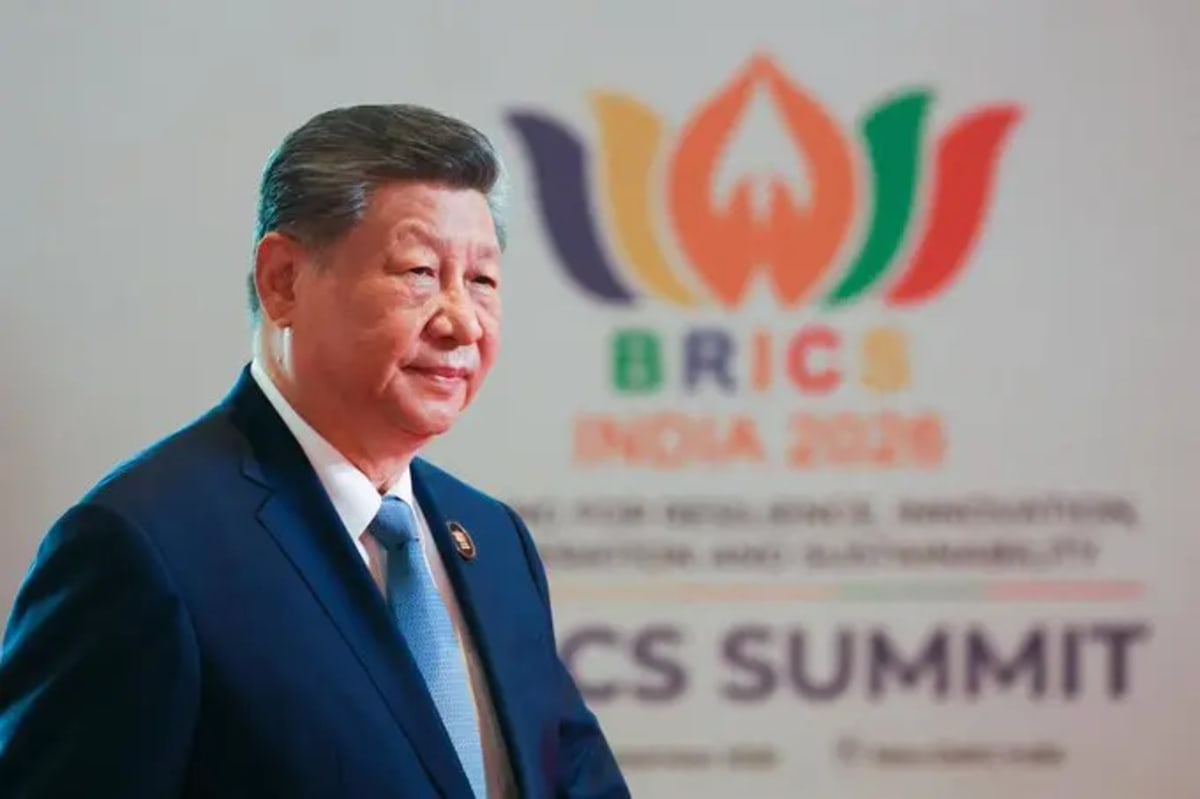
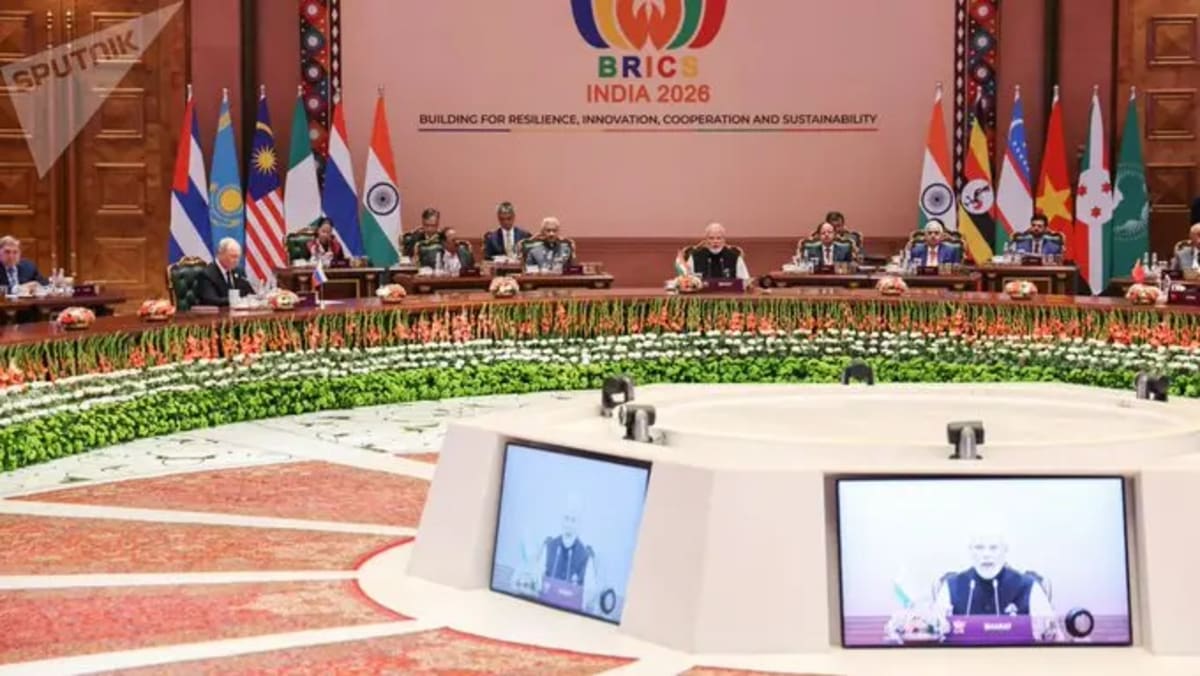
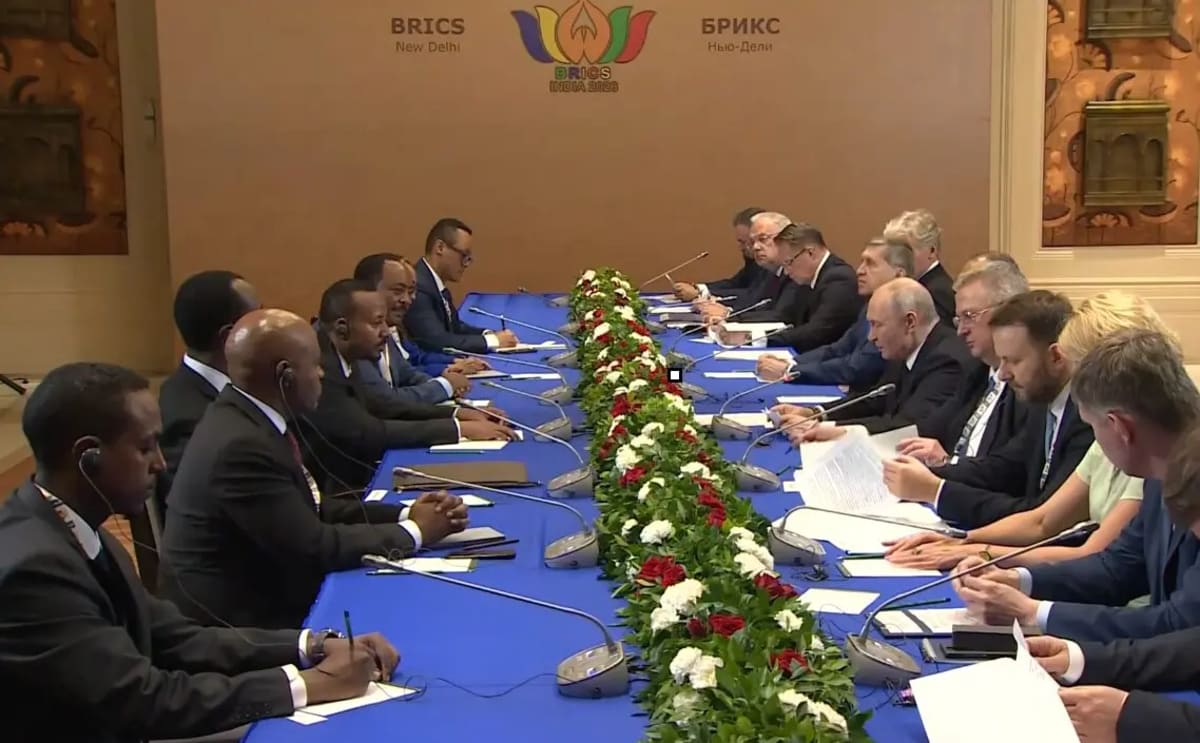
At the BRICS summit in New Delhi, Chinese President Xi Jinping announced an open-source AI platform designed to help developing nations collaborate on large language models and practical AI applications. The platform will be free for member countries to use and modify.
The initiative includes specialized training programs and support for building what Xi called an "open AI ecosystem." Instead of relying on expensive proprietary systems from tech giants, BRICS countries can now develop solutions tailored to their own languages, cultures, and needs.
BRICS represents more than 3 billion people across Brazil, Russia, India, China, South Africa, and four newer members. The platform aims to ensure emerging technologies contribute to "shared prosperity" rather than widening the gap between rich and poor nations.
China's proposal goes beyond just AI. The package includes four additional cooperation initiatives covering trade facilitation, digital industry expansion, smart manufacturing, and scientific talent development. Practical elements include technology exchange programs, shared manufacturing platforms, and a BRICS engineers' alliance to train young professionals.
The timing matters. As AI transforms industries worldwide, concerns are growing that a handful of Western companies control most advanced systems. Open-source alternatives let countries keep their data local, adapt tools to their languages, and avoid vendor lock-in.
The Ripple Effect
This collaborative approach could reshape who gets to participate in the AI revolution. When technology development happens in the open, researchers from any country can contribute improvements. Local developers can build applications their communities actually need, from agricultural planning tools to medical diagnosis systems in regional languages.
The platform also addresses a critical skills gap. Training programs included in the initiative will help engineers and scientists from developing nations gain expertise that's currently concentrated in a few tech hubs. Youth exchange programs will create networks of professionals who can collaborate long after their initial training.
Beyond technology, Xi connected these proposals to broader calls for fairness in international systems. He pushed for reforms giving developing countries more voice in global institutions and urged equal application of international rules without double standards.
The open-source model has proven successful before. Linux powers most of the world's servers, and collaborative projects have created everything from Wikipedia to breakthrough medical research. Applying this approach to AI could democratize access to tools that will define the next century.
Nine nations representing nearly half the world's population just chose cooperation over competition in the race to build tomorrow's technology.
#
More Images


Based on reporting by Google: cooperation international
This story was written by BrightWire based on verified news reports.
Spread the positivity!
Share this good news with someone who needs it