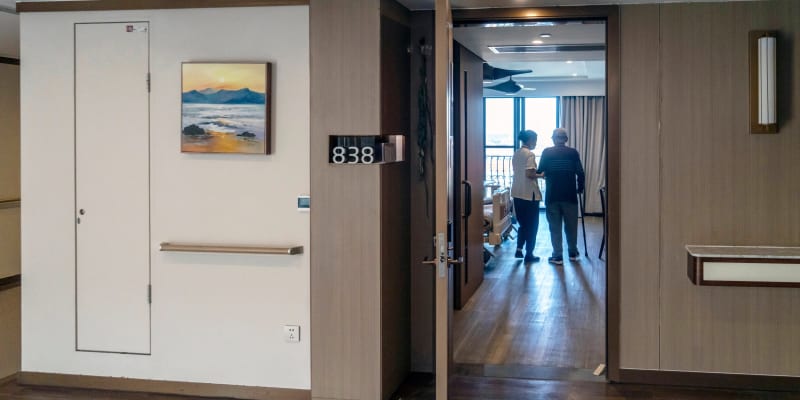
China Launches Temporary Care for Seniors During Holidays
As caregivers traveled home for Chinese New Year, nearly 400 facilities in Shanghai opened their doors to provide short-term eldercare services. Cities across China are responding to growing demand with affordable programs that keep seniors safe while families celebrate.
When live-in caregivers headed home for Spring Festival this year, families across China had a safety net waiting for their elderly loved ones.
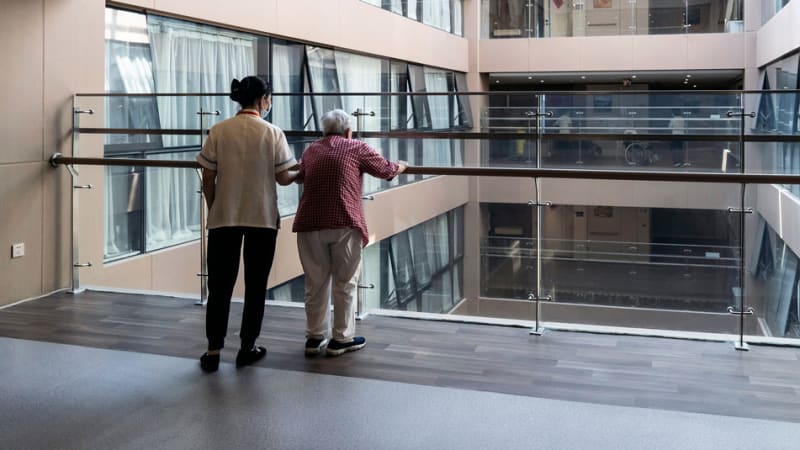
Nearly 400 eldercare facilities in Shanghai offered temporary boarding services during the nine-day holiday, with similar programs launching in Beijing, Chengdu, and other major cities. The short-term stays ranged from a few days to several weeks, ensuring seniors received continuous care while regular caregivers took their annual break.
The programs provided everything families normally handle at home. Facilities offered meals, bathing assistance, medication management, and daily support. Some added festive touches like dumpling-making sessions and traditional lantern riddle games to bring holiday cheer to temporary residents.
The cost remained accessible for most families. In Nanjing, a seven-day package ran about 2,988 yuan (around $432) for seniors needing basic help, rising to 3,688 yuan for those requiring more intensive care. Similar pricing appeared across participating cities.
The timing couldn't be better. China's population aged 60 and above is expected to grow by nearly 14 million people annually through 2030, according to the Ministry of Civil Affairs. Families are feeling the squeeze as longer life expectancies and smaller family sizes mean fewer working-age adults available to provide care.
The Ripple Effect
The benefits extend beyond the holiday season. Research by Cai Yinghui at the University of International Business and Economics found that respite care improves quality of life for both seniors and their families. When caregivers get relief, entire family systems become more stable and sustainable.
Several provinces recognized this impact in 2023 by adding short-term institutional care to subsidy programs. Shanghai now offers financial support to eligible elderly residents using these services, making temporary care more accessible year-round.
The model represents a practical shift in how China approaches eldercare. Traditional family-centered caregiving is adapting to modern realities without abandoning its core values. Temporary care facilities bridge the gap between family support and institutional living, offering flexibility when families need it most.
As one researcher noted, protecting caregiver health often means preserving family stability. These holiday programs prove that supporting caregivers and seniors doesn't require choosing one over the other.
More Images



Based on reporting by Sixth Tone
This story was written by BrightWire based on verified news reports.
Spread the positivity!
Share this good news with someone who needs it