China Persimmon Trees Find New Life in City Gardens
Wealthy urbanites in eastern China are paying thousands to relocate abandoned persimmon trees from emptying villages to their private gardens. The surprising trade connects rural communities with city dwellers while giving decades-old trees a second chance.
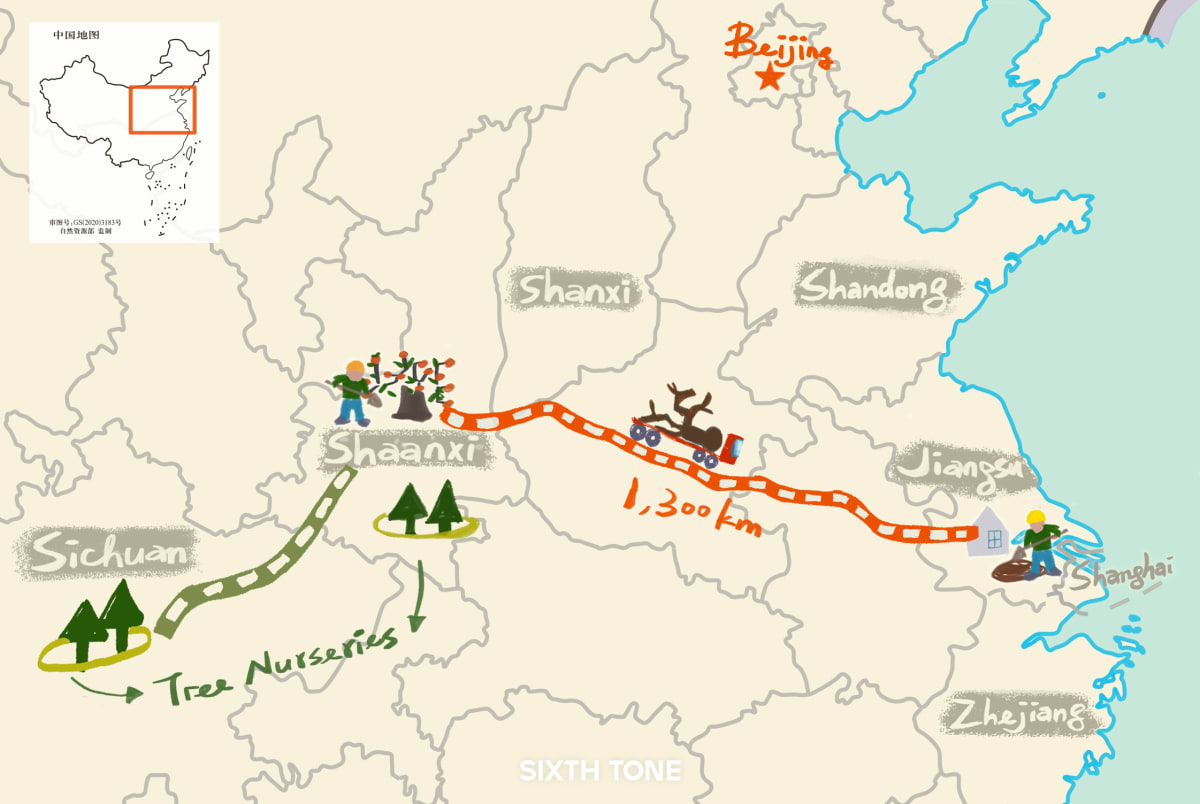
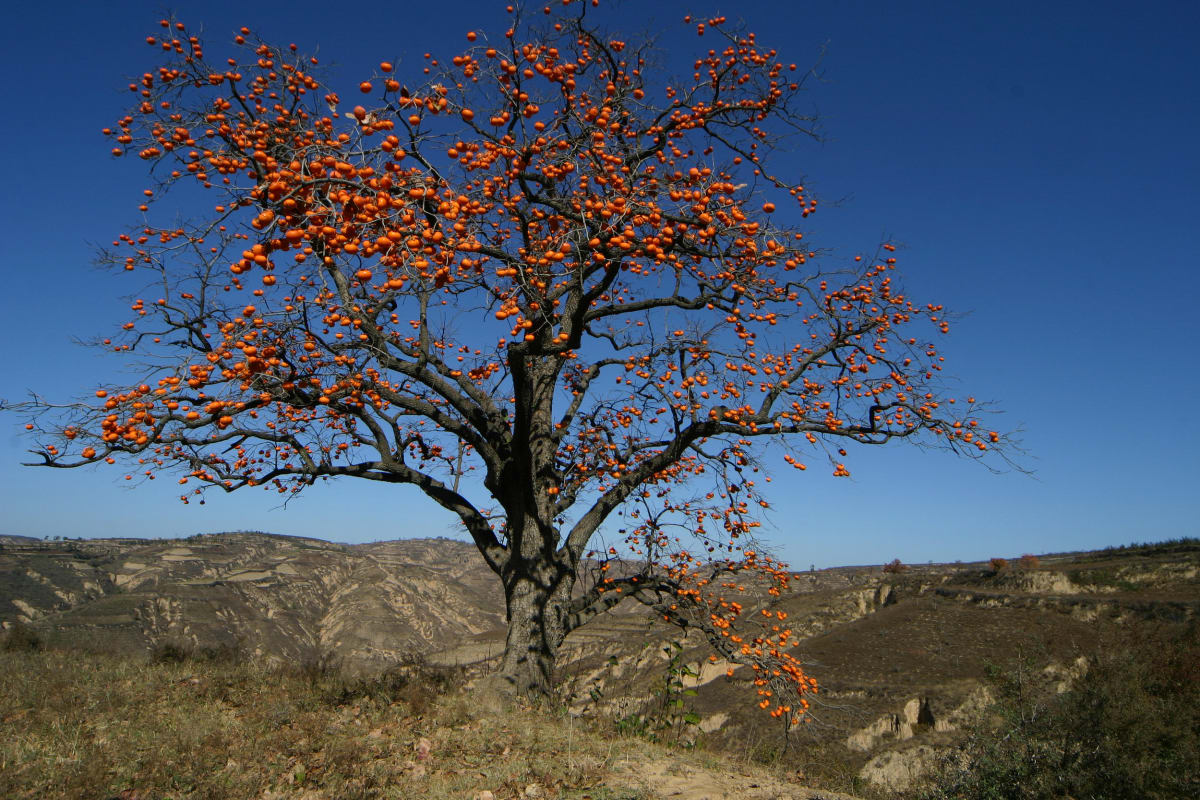
A 40-year-old persimmon tree just traveled 1,300 kilometers to start a new life in Cao Lin's city garden. For her, it's the perfect centerpiece for her home, but for the tree's former village, it represents something more complex.
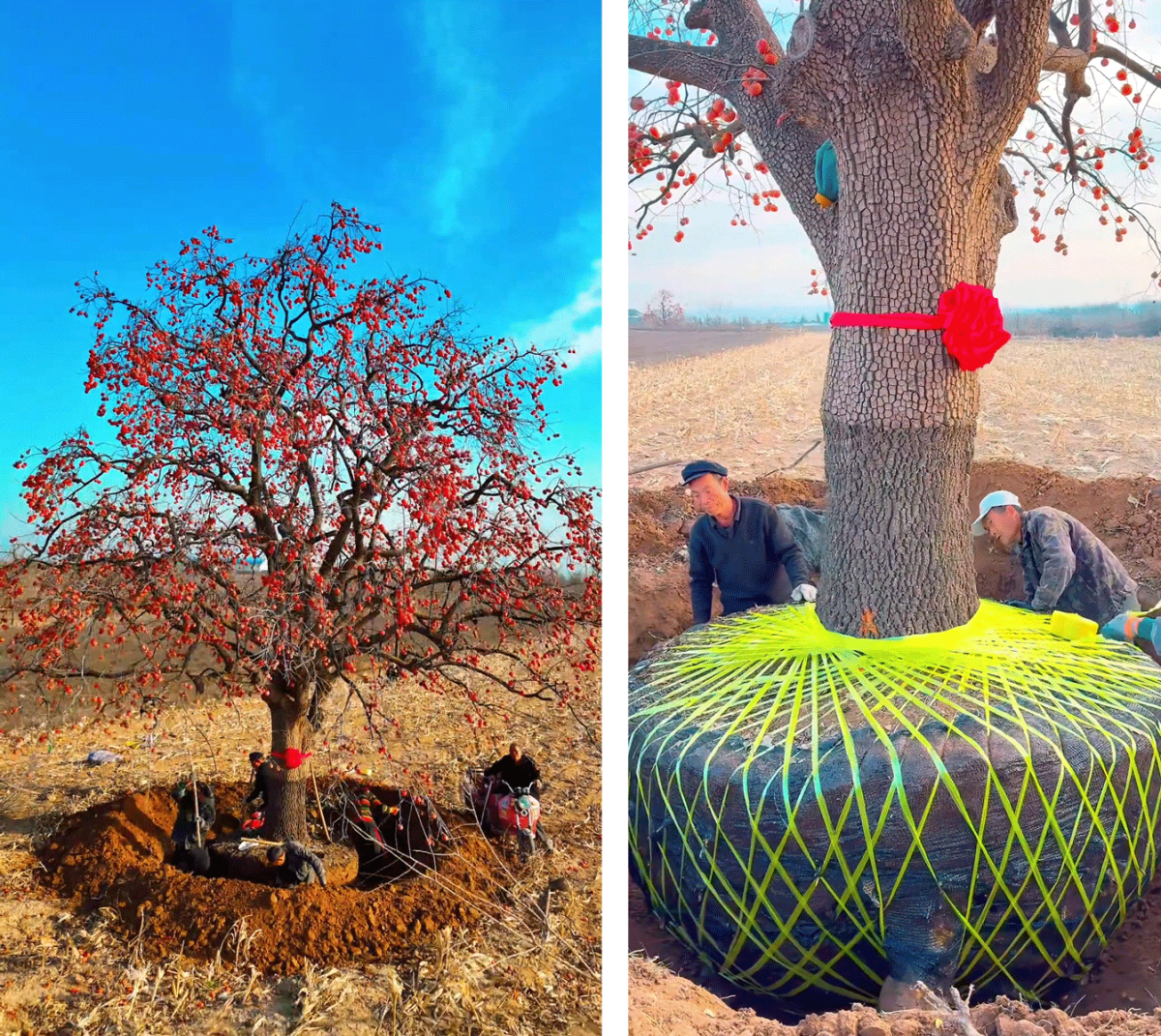
Cao spent nearly 20,000 yuan (about $3,000) to bring the tree from rural Shaanxi province to her courtyard in eastern Jiangsu province. Shipping alone cost 4,000 yuan and required an 18-hour journey on a massive semi-trailer. But she'd been dreaming of owning one since seeing photos on social media.
The trade in persimmon trees has exploded over the past five years. Some rural counties now relocate up to 1,000 trees annually to meet demand from affluent city residents seeking authentic, low-maintenance garden features.
Social media sparked the trend when posts showcasing the trees' year-round beauty and sweet fruit started racking up millions of views. Nurseries caught on quickly, filming touching videos about the orchards and families that have tended these trees for generations, all set to emotional music.
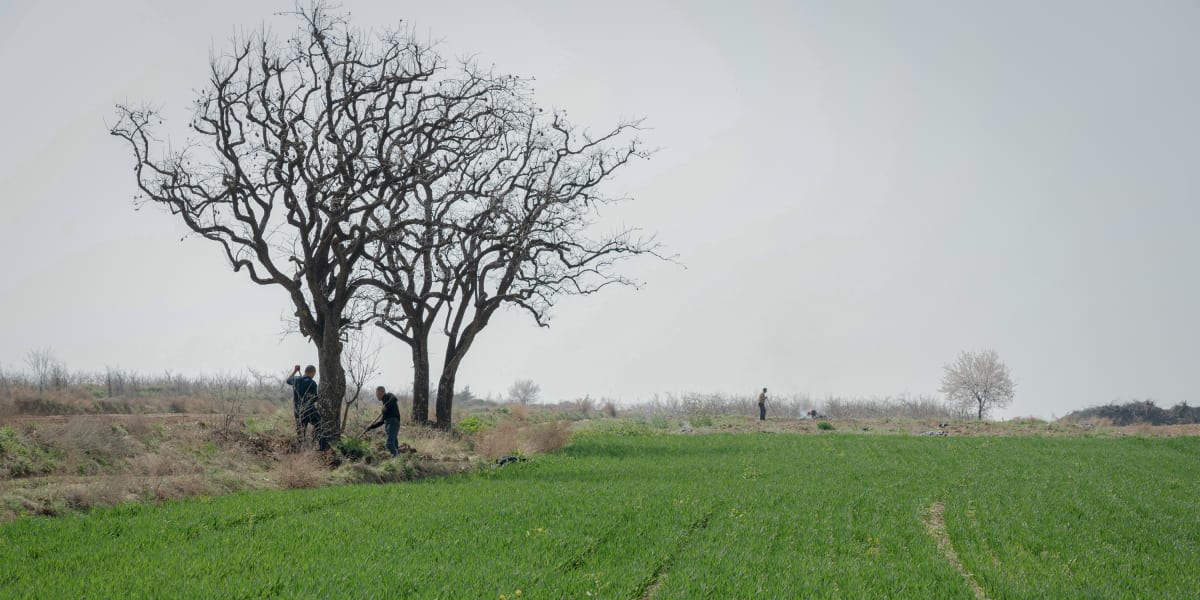
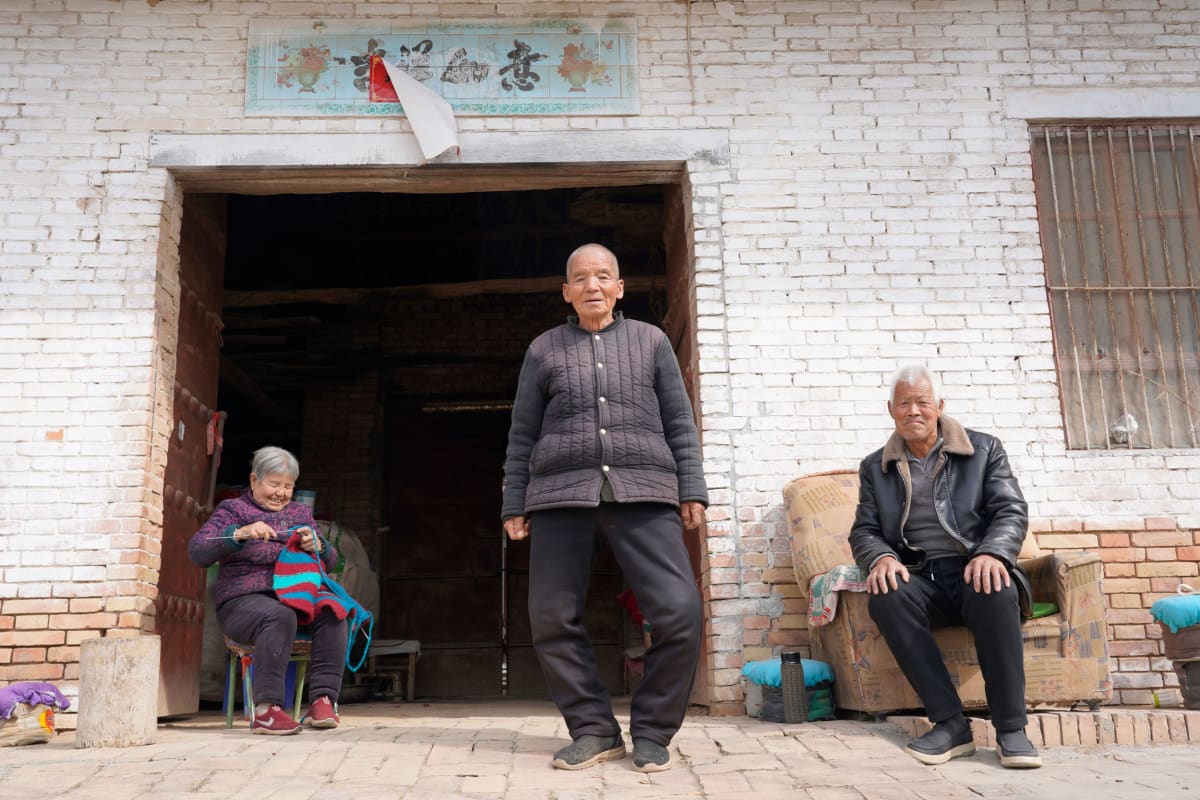
The business model connects two sides of modern China. In dusty northwestern townships, working-age residents have left for opportunities elsewhere, abandoning their family fruit trees. Meanwhile, wealthy urbanites in eastern cities want to give these "neglected" specimens new homes.
The Ripple Effect
The trade brings unexpected benefits to both sides. Trees that villagers once purchased for 500 yuan now sell for tens of thousands, with nearly century-old specimens fetching hundreds of thousands. For aging rural communities with fewer than 100 residents, it's welcome income.
Zhao Shangwu spent a decade riding between villages as a fruit buyer before becoming a tree dealer's local agent. He now helps connect tree owners with buyers, verifying ownership and negotiating prices. During the brief transplanting season from early winter to spring, he and dealer Sun Xing work day and night to meet demand.
For villages in Liquan County, where persimmon trees were once seen as worthless obstacles that dropped sticky fruit and blocked roads, the trade has transformed their perspective. Trees that were mere landmarks for giving directions now represent valuable assets.
The trees themselves get a second chance too. Planted decades ago when persimmons were a major income source, many were abandoned in the 1960s when farmers switched to growing apples. Now they're cherished centerpieces in carefully designed gardens.
Cao watches her new tree through floor-to-ceiling windows, already imagining walking past and picking fresh persimmons. It hasn't fully taken root yet, but she says it already has in her heart.
More Images
Based on reporting by Sixth Tone
This story was written by BrightWire based on verified news reports.
Spread the positivity!
Share this good news with someone who needs it