China Plants 1 Billion Trees, Slows Desert Expansion
China has planted over one billion trees since the 1990s, dramatically slowing desert spread and restoring millions of hectares of degraded land. This massive reforestation effort shows how long-term commitment can reverse environmental damage at scale.
Imagine land once swallowed by desert now green with forests, farmland protected from advancing sand, and communities breathing cleaner air. That's exactly what China achieved by planting more than one billion trees over the past three decades.
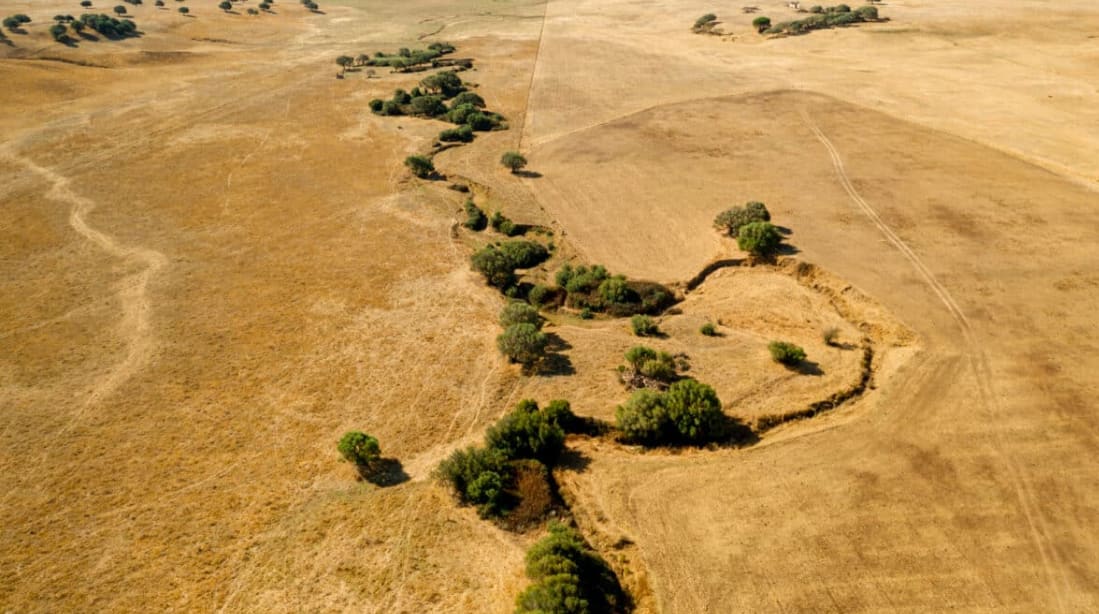
Desert expansion threatened China's future in the late 20th century. Northern and western regions watched as sand crept closer to villages, farmland disappeared, and dust storms traveled thousands of miles affecting neighboring countries.
In the 1990s, China launched multiple reforestation programs to fight back. The most famous, called the "Three-North Shelterbelt Program" or "Great Green Wall," aimed to create vast forest belts blocking desert winds and stabilizing soil.
The strategy was simple but required patience. Local governments, communities, students, and businesses all participated in planting campaigns that added up over decades to more than one billion trees across deserts and degraded regions.
Trees work as natural defenders against deserts. Their roots anchor soil against wind erosion, while branches slow sand movement and help retain moisture, allowing grasses and other plants to return.
Satellite images now show visible green coverage across areas once labeled barren. These aren't just prettier landscapes but healthier ecosystems supporting wildlife, improving soil fertility, and making previously unusable land productive again.
Beyond stopping deserts, the forests absorb carbon dioxide and improve air quality. Dust storms have decreased significantly, and water cycles have improved in restored regions.
The project faced challenges along the way. Early efforts sometimes planted fast-growing trees in water-scarce areas, raising concerns about sustainability and survival rates.
Learning from these mistakes, newer programs focus on ecosystem-based restoration. Experts now emphasize choosing tree species suited to local climates and recognizing that some grasslands shouldn't become forests.
Rural communities have gained jobs planting and maintaining forests. Some restored areas now attract eco-tourism, providing alternative income sources for families who once struggled with degraded land.
The Ripple Effect
China's success offers hope for other countries battling desertification. The project proves that degraded land doesn't have to stay that way forever with long-term commitment and scientific planning.
Multiple nations now study China's approach as they develop their own restoration strategies. The global greening trends observed by scientists include significant contributions from these reforestation efforts.
Local participation proved essential. When communities have ownership in protecting restored land, projects succeed long after initial planting ends.
Three decades of patient work transformed what seemed like an unstoppable environmental crisis into one of history's largest successful land restoration efforts.
More Images



Based on reporting by Google News - Reforestation
This story was written by BrightWire based on verified news reports.
Spread the positivity!
Share this good news with someone who needs it