China Plants Trees Equal to Algeria, Changes Water Cycle
In just 20 years, China transformed 15% of its land into forest, creating an area the size of Algeria. The massive reforestation altered the entire country's water circulation in ways scientists are still mapping.
China just proved that planting billions of trees can literally change how water moves across an entire nation.
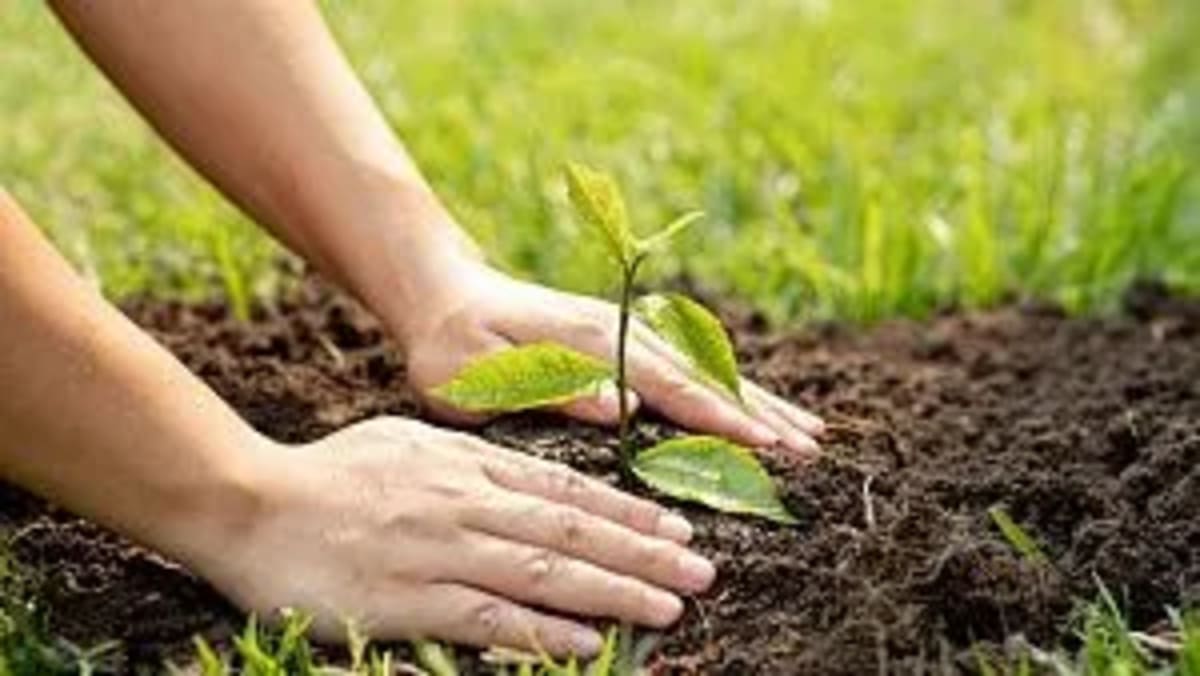
Between 2001 and 2020, China expanded its forest coverage from 10% to 25% of its territory through programs like Grain for Green and natural forest protection. The country planted so many trees that it accounts for a quarter of all new forest area on Earth since 2000.
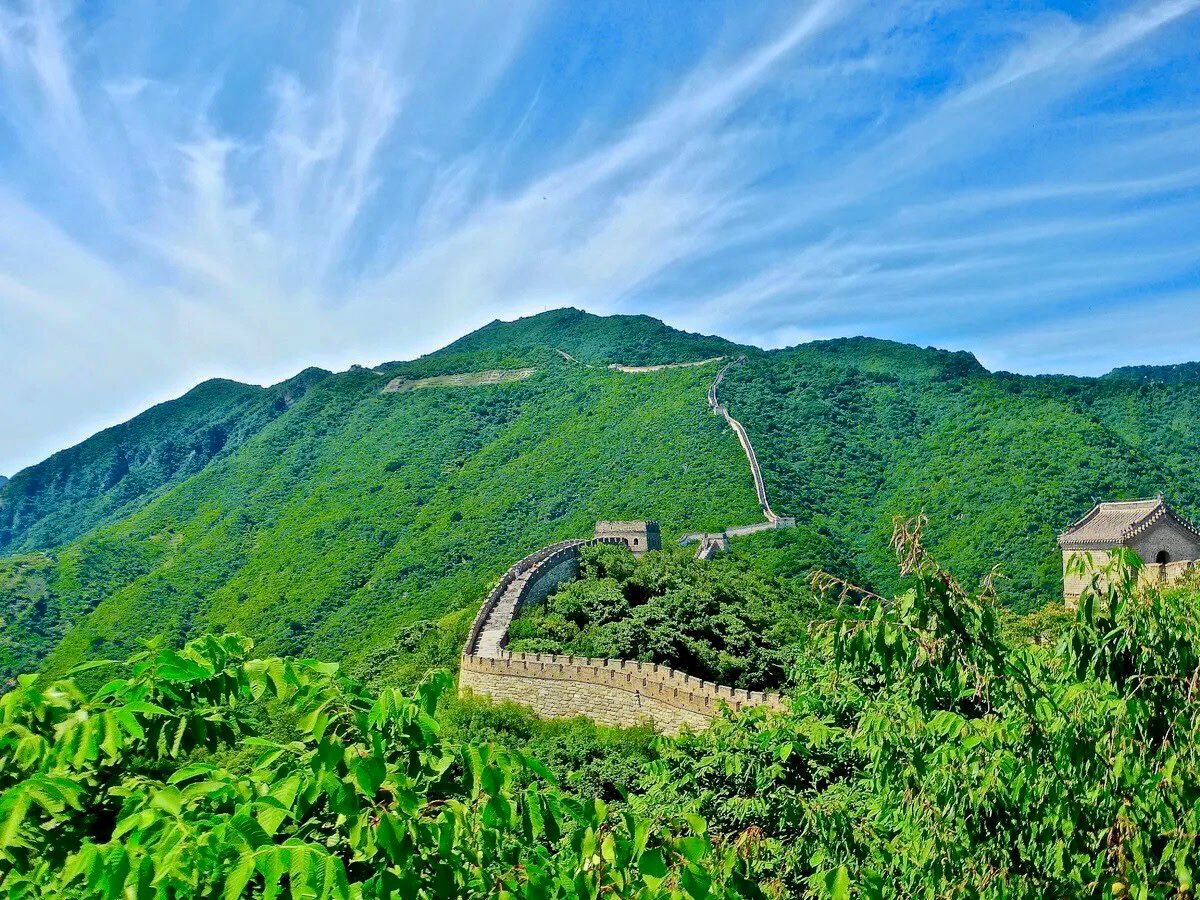
The transformation started in 1978 with the Great Green Wall, designed to stop deserts from swallowing farmland in the north. Over 50 years, the initiative created forests covering an area equivalent to Algeria.
But a 2025 study in Earth's Future discovered something unexpected. The trees didn't just change the landscape. They fundamentally altered China's water cycle.
The key is evapotranspiration, the process where trees pull water from deep underground and release it into the air through their leaves. Unlike shallow-rooted crops, trees with deep roots keep pumping water even during droughts, activating a more vigorous water cycle across regions.
The catch is that this redistribution isn't equal. Eastern China and the arid northwest are losing freshwater, while the Tibetan Plateau is gaining it. Evapotranspiration increased faster than rainfall, meaning some regions now have less available water despite more active circulation.
This creates a real challenge for northern China, home to 46% of the population and 60% of farmland but only 20% of water resources. The very reforestation meant to restore ecosystems is now shifting water away from areas that need it most.
The Bright Side
China's experience offers the world a crucial lesson about large-scale environmental restoration. The forests successfully stopped desertification, restored degraded ecosystems, and helped combat climate change. The country demonstrated that massive ecological recovery is possible within a single generation.
The water redistribution issue isn't a failure. It's valuable data for every nation planning reforestation. Scientists now understand that where you plant matters as much as how much you plant. Local water conditions, existing agriculture, and regional needs must guide tree placement.
China is already adapting its approach, using these findings to plan smarter restoration that balances environmental recovery with water security. Other countries can learn from both the successes and challenges, designing reforestation programs that work with local water cycles instead of against them.
The takeaway is hopeful: we can restore ecosystems on a continental scale, and we're getting smarter about doing it right.
More Images
Based on reporting by Google News - Reforestation
This story was written by BrightWire based on verified news reports.
Spread the positivity!
Share this good news with someone who needs it