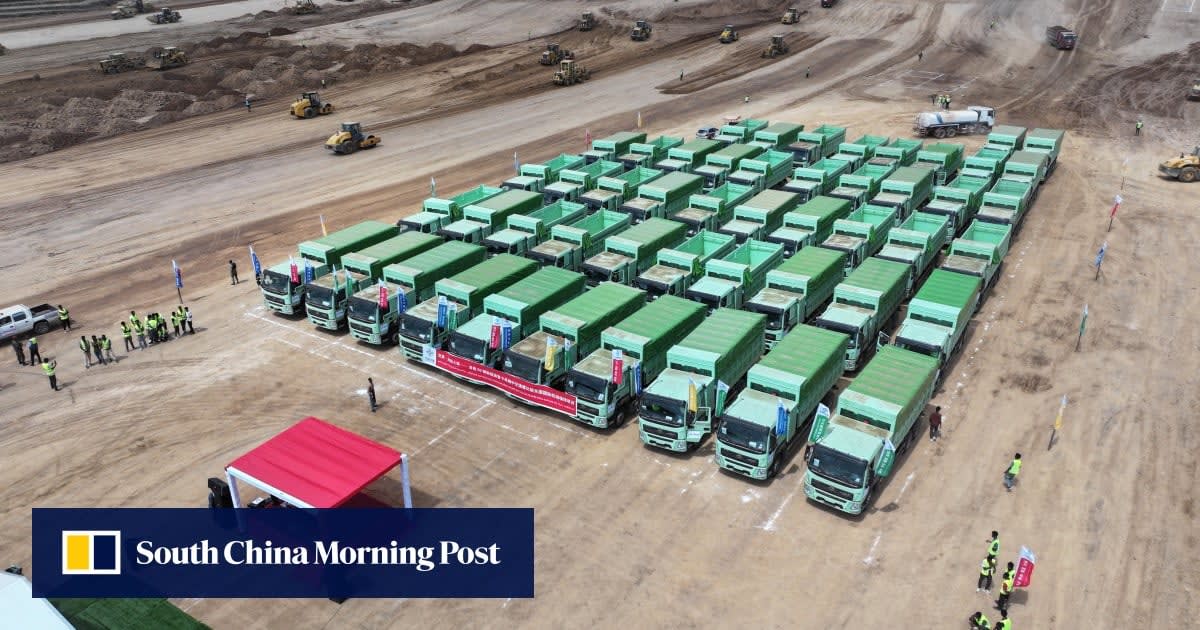
China Pushes 1.6M Electric Trucks by 2030
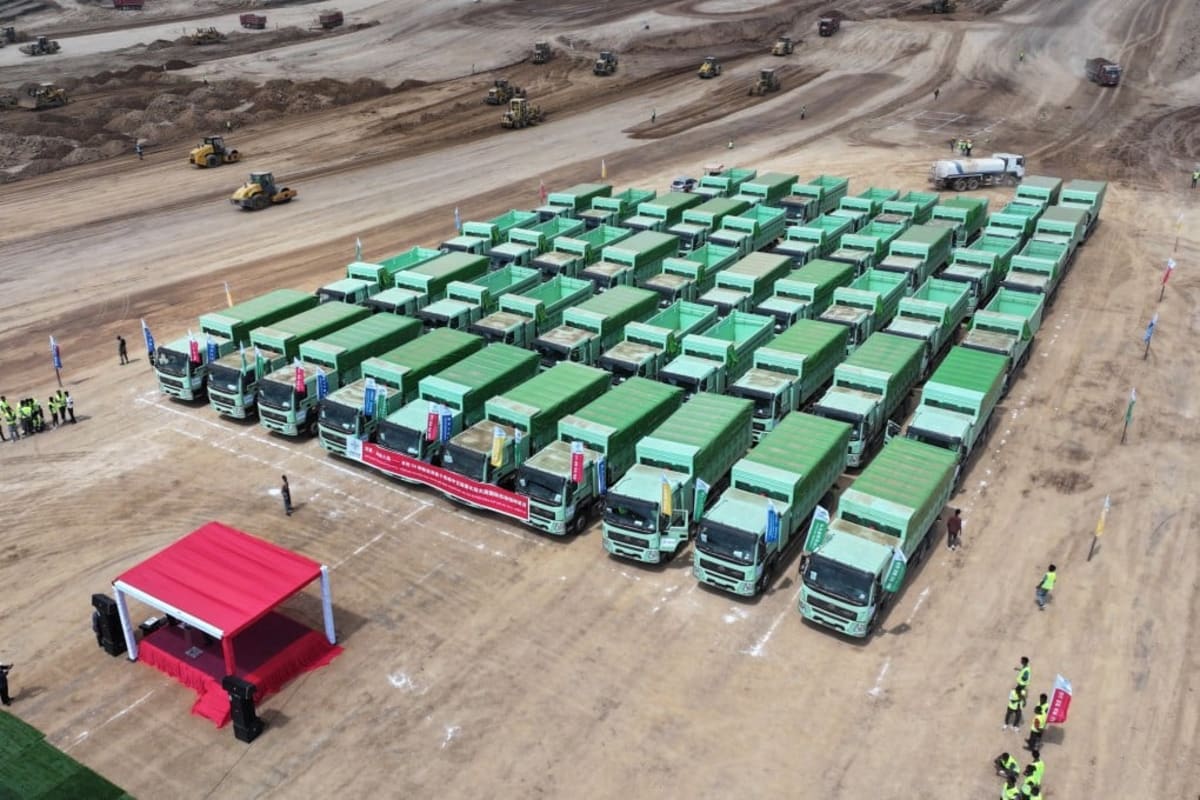
China is accelerating its clean transport revolution with a bold plan to put 1.6 million electric trucks on the road by 2030. The shift is already gaining momentum, with electric truck sales soaring nearly 80 percent in early 2026.
China is supercharging its transition to clean transportation with an ambitious goal that could reshape global freight forever.
The country aims to put at least 1.6 million electric heavy-duty trucks on the road by 2030, targeting 40 percent of all new heavy-goods vehicle sales. Electric trucks already account for nearly 30 percent of new truck sales, showing the shift is well underway.
The numbers tell a story of rapid transformation. Last year, sales of electric heavy-duty trucks jumped 182 percent compared to the previous year. In the first half of 2026 alone, sales climbed nearly 80 percent, according to Cai Tuanjie, an official from China's Ministry of Transport.
To support this massive rollout, China plans to build over 3,000 charging and battery-swap stations specifically for trucks. These stations will help drivers recharge quickly and keep goods moving without long delays.
The government is backing the transition with serious financial support. Buyers of new electric heavy-duty vehicles can receive subsidies up to 140,000 yuan, roughly $20,700. Authorities plan to maintain and expand these incentives to keep the momentum going.
The Ripple Effect
This shift touches far beyond China's borders. The country operates one of the world's largest freight networks, moving goods that end up in homes and businesses globally. Replacing diesel trucks with electric ones could significantly reduce carbon emissions from one of the hardest sectors to clean up.
The transformation delivers multiple wins at once. It strengthens China's electric vehicle manufacturing industry, creating jobs and technical expertise. It cuts harmful emissions by replacing millions of diesel engines with cleaner electric motors. And it reduces logistics costs for businesses, which could make everyday goods more affordable.
The rapid adoption shows what's possible when government support meets practical technology. Battery-swap stations, where trucks can exchange depleted batteries for charged ones in minutes, solve the downtime problem that often makes fleet operators hesitant about going electric.
China's experience could provide a roadmap for other countries wrestling with how to clean up their freight sectors. The combination of ambitious targets, financial incentives, and infrastructure investment appears to be working.
The momentum suggests China will likely exceed its 2030 targets, putting even more clean trucks on the road than planned.
More Images
Based on reporting by South China Morning Post
This story was written by BrightWire based on verified news reports.
Spread the positivity!
Share this good news with someone who needs it