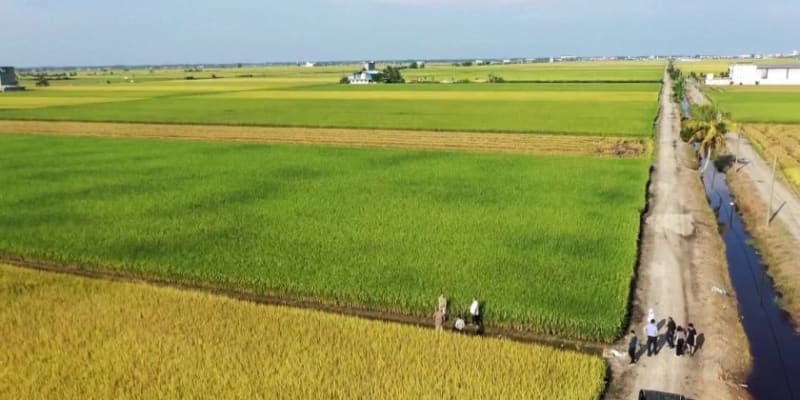
China Rice Tech Doubles Malaysia's Annual Harvests
Malaysian farmers are now getting up to four rice harvests per year instead of two, thanks to a Chinese agricultural technique that regrows crops from the same roots. The innovation is slashing costs while boosting food security across tropical farmland.
Malaysian rice farmers are celebrating a breakthrough that lets them harvest twice as much food from the same field without replanting.
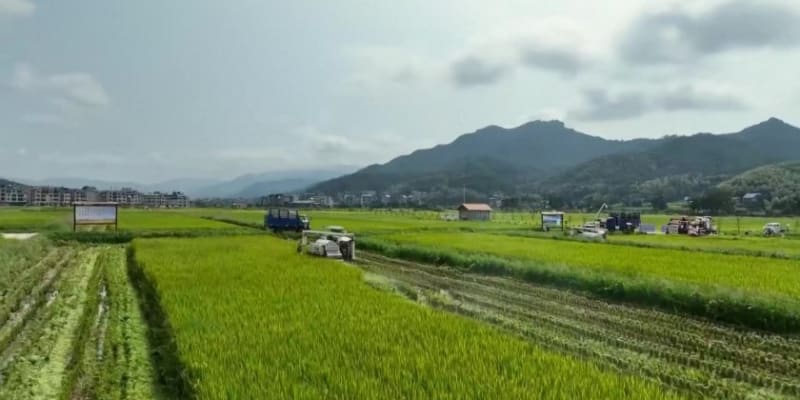
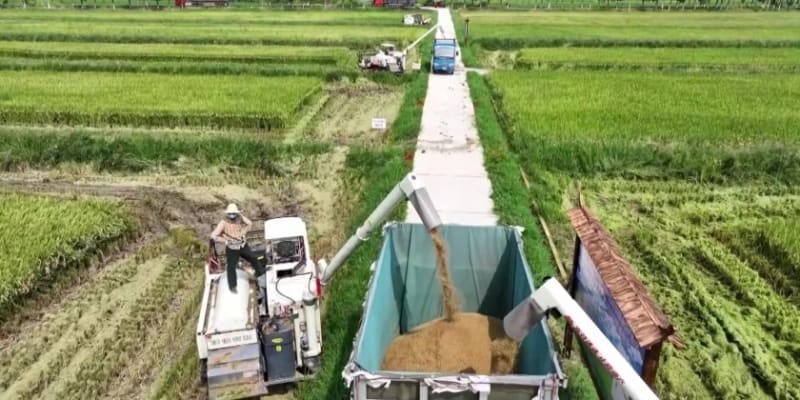
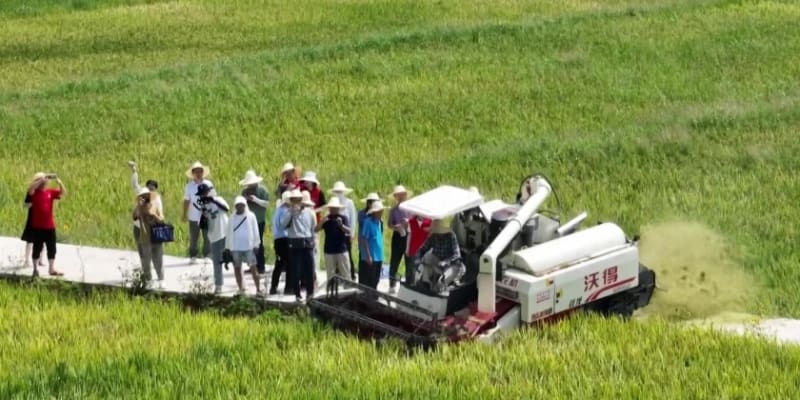
China's ratoon rice technology has arrived in Malaysia, and it's transforming how tropical farmers think about growing food. The technique works by leaving rice plant roots in the ground after harvest, allowing them to sprout fresh crops naturally for the next season.
Traditional Malaysian farming yielded two rice harvests annually. Now, farmers using ratooning are achieving three or even four harvests from a single planting, effectively doubling their annual production without expanding their land.
The savings extend far beyond just the extra crops. Farmers are cutting costs on seeds, labor, fertilizer, and water while significantly reducing the time between harvests. It's a win for both farmer wallets and environmental sustainability.
The technology addresses a critical challenge for Malaysia and other tropical nations seeking to strengthen their food security. As populations grow and climate pressures mount, innovations that increase yields without requiring more resources become invaluable.
The Ripple Effect
This isn't just about more rice on Malaysian tables. The successful adoption of ratooning in Malaysia's tropical climate proves the technique can work across Southeast Asia and other warm regions facing similar agricultural challenges.
Food security concerns have driven nations worldwide to seek smarter farming methods. Malaysia's embrace of ratoon rice demonstrates how cross-border agricultural collaboration can deliver practical solutions that farmers can implement immediately.
The technique also supports sustainability goals by reducing the environmental footprint of rice production. Less planting means less soil disruption, lower water consumption, and reduced fertilizer runoff into waterways.
Malaysian farmers who've adopted the method report not just higher yields but also more predictable income streams. Multiple harvests per year mean they're not gambling everything on one or two growing seasons.
China's willingness to share this agricultural innovation reflects a growing trend of technology transfer helping developing nations boost their food production capacity. These partnerships are proving essential as the world works to feed a growing population sustainably.
Malaysia's success with ratoon rice could inspire similar pilot programs across Southeast Asia, potentially transforming regional food security for millions of people who depend on rice as their staple crop.
More Images

Based on reporting by Regional: malaysia technology (MY)
This story was written by BrightWire based on verified news reports.
Spread the positivity!
Share this good news with someone who needs it