China Sets Solid-State EV Battery Standard for July 2026
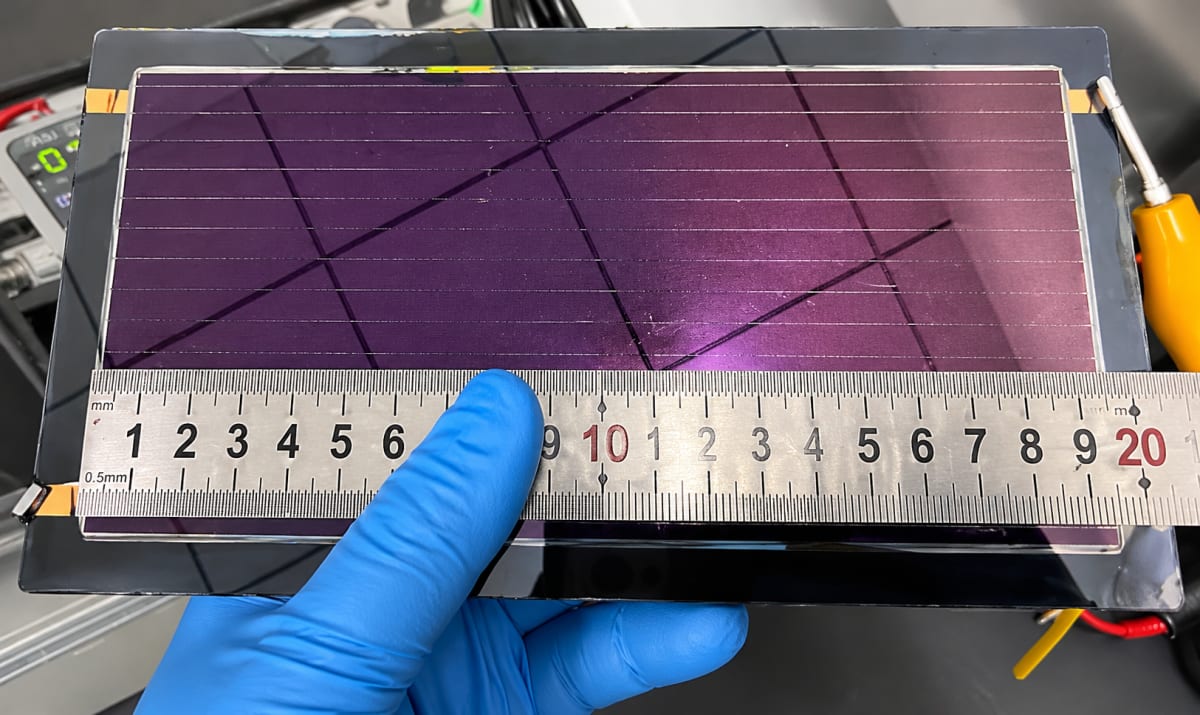
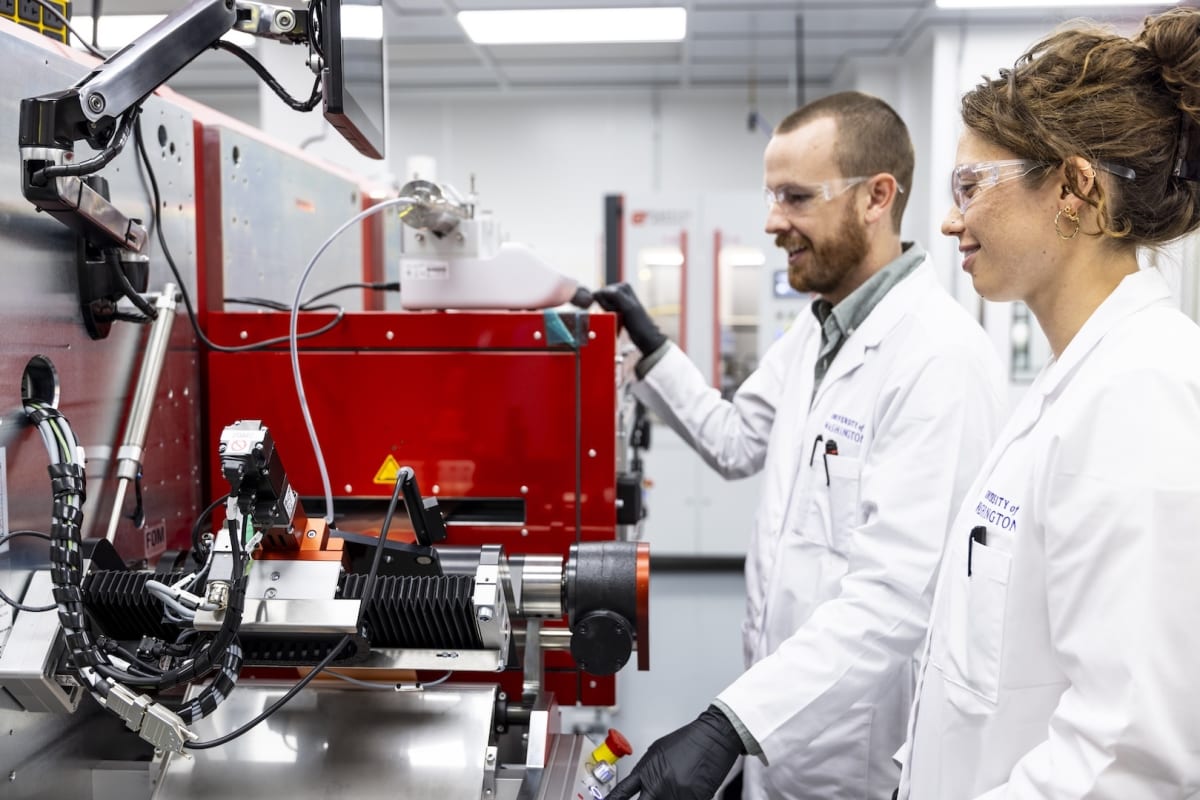
China is finalizing the world's first official standard for solid-state EV batteries as automakers begin real-world testing of the game-changing technology. The move could accelerate the shift to batteries that charge faster, last longer, and drive farther than anything on the road today.
The future of electric vehicles just got a roadmap. China is set to release the world's first official standard for solid-state EV batteries in July 2026, bringing clarity to a technology that's been promised for over a decade but is finally becoming real.
The National Automotive Standardization Technical Committee released its first draft in December, opening it for public comment until late February. If approved in April, the standard will clearly define terms like semi-solid-state, all-solid-state, and hybrid batteries, plus categorize them by electrolyte type and conducting ion.
Why does this matter? Solid-state batteries represent a massive leap forward for electric vehicles. They promise significantly higher energy density than today's lithium-ion batteries, meaning longer range, faster charging, and improved safety.
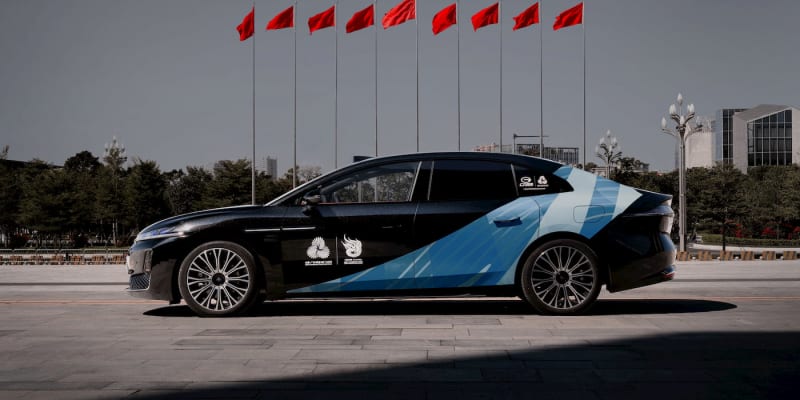
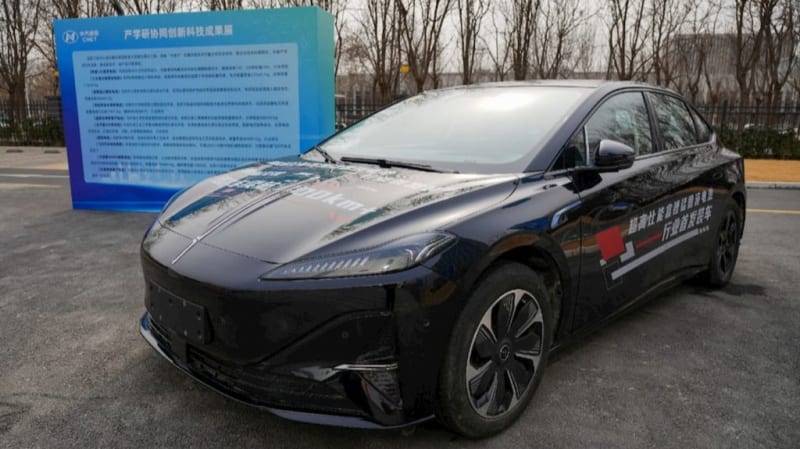
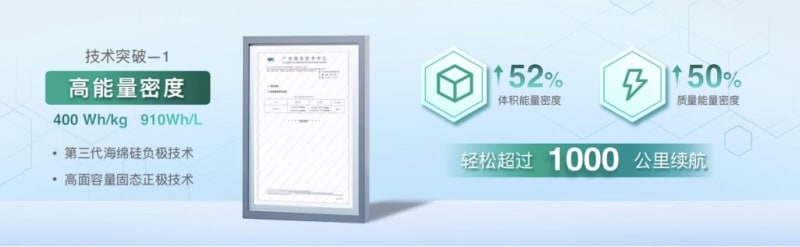
Chinese automakers aren't waiting for the paperwork to finish. FAW Group recently installed what it calls the industry's first lithium-rich manganese semi-solid-state battery in a vehicle, boasting 142 kWh capacity and over 620 miles of range. Dongfeng Motors is already testing its solid-state prototypes in brutal cold weather conditions.
GAC, BYD, and Geely have also announced they're installing these batteries in test vehicles. Several of these companies plan to begin production in 2027, though limited quantities will likely go to premium models first before mass production ramps up around 2030.
The Ripple Effect
China's standardization effort is pushing the entire global auto industry forward. Outside China, Toyota, Mercedes-Benz, BMW, Nissan, and Volkswagen are all racing to launch their own solid-state batteries around the same timeframe.
Mercedes already drove a modified EQS equipped with solid-state batteries for 750 miles on a single charge last year, calling the technology "a gamechanger." US-based Factorial Energy, which supplied those batteries, has partnerships with Hyundai, Kia, and Stellantis. Just last week, Factorial launched America's first solid-state battery program for passenger vehicles with Karma Automotive.
The competition is heating up across continents, and that benefits everyone. As more companies invest and standards emerge, solid-state batteries will move from laboratory curiosity to affordable reality faster than anyone expected just a few years ago.
While solid-state batteries aren't the only promising new battery technology in development, they represent one of the clearest paths to making electric vehicles more practical, affordable, and appealing to mainstream drivers worldwide. The batteries that power our electric future are closer than you think.
More Images

Based on reporting by Electrek
This story was written by BrightWire based on verified news reports.
Spread the positivity!
Share this good news with someone who needs it