China Turns 26M Tons of Farm Waste Into Climate Solution
Scientists in China discovered how to transform millions of tons of cotton waste and plastic film into a powerful climate tool. The process could cut 13 million tons of carbon emissions yearly while solving farm pollution problems.
What if the trash piling up on farms could actually help save the planet? Scientists in China just proved it can.
Researchers found a way to turn cotton stalks and dirty plastic sheeting into biochar, a carbon-rich material that fights climate change while making soil healthier. The discovery could transform how China's largest cotton-growing region handles 26 million tons of agricultural waste every year.
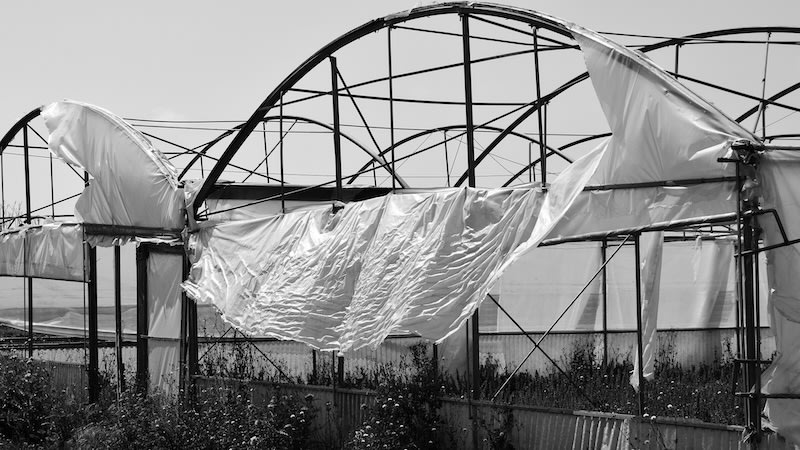
Xinjiang province grows more cotton than anywhere else in China. After each harvest, farmers face mountains of leftover cotton straw and plastic mulch film used to protect crops. Most of it gets burned or dumped, creating air pollution and leaving plastic pieces scattered across farmland.
The research team tested a process called co-pyrolysis, which heats organic material without oxygen to create biochar. This stable form of carbon can be mixed into soil, where it stays for decades instead of escaping into the atmosphere as carbon dioxide.
Converting cotton straw alone into biochar would produce 3.5 million tons annually and cut emissions by 10 million tons of CO2 equivalent. That's like taking 2 million cars off the road for a year.
The real breakthrough came when scientists mixed plastic film with cotton straw. Processing plastic waste by itself barely helps the climate. But combining one part plastic with four parts cotton straw in the same heating process boosted biochar production dramatically, adding another 200,000 tons of biochar and cutting 3.4 million additional tons of emissions.
The biochar does double duty. It stores carbon underground while helping soil hold more water and nutrients, meaning farmers need less chemical fertilizer. That cuts nitrous oxide emissions, a greenhouse gas 300 times more potent than carbon dioxide.
The Ripple Effect
The technology solves multiple problems at once. Farmers get cleaner fields and better soil. Communities breathe easier without smoke from burning crop waste. The climate benefits from millions of tons of avoided emissions.
China is already pushing toward carbon neutrality, and researcher Ronghua Li says this approach shows how agricultural regions can contribute. Financial incentives and policy support could help cotton-growing areas adopt the technology quickly.
The research proves that climate solutions don't have to hurt farming communities. Sometimes the answer is already sitting in the fields, just waiting to be used differently.
More Images
Based on reporting by Google News - Climate Solution
This story was written by BrightWire based on verified news reports.
Spread the positivity!
Share this good news with someone who needs it