China Turns Old Coal Mine Into Massive Solar Power Plant
A collapsed coal mining area in China just became a 4 GW solar farm powering 7.2 million homes. It's one of the largest examples yet of turning environmental damage into clean energy infrastructure.
Land destroyed by decades of coal mining is getting a second life as one of China's largest solar power plants.
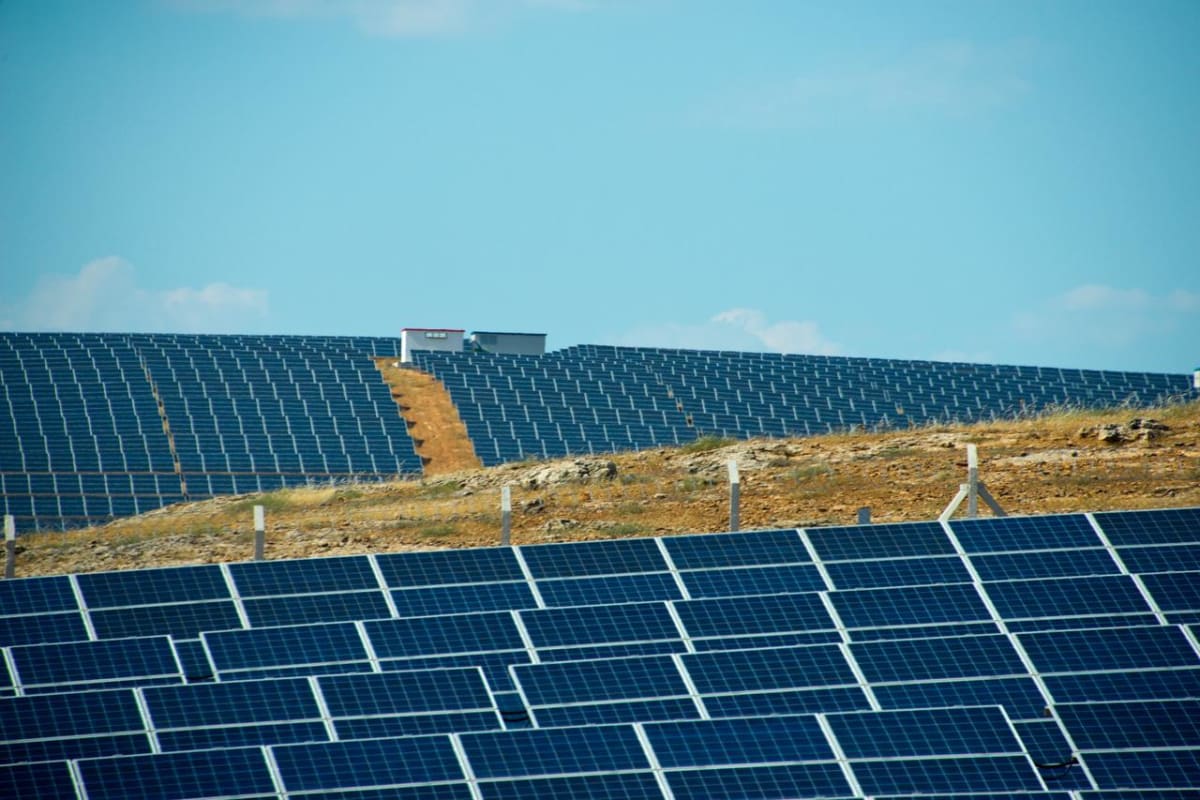
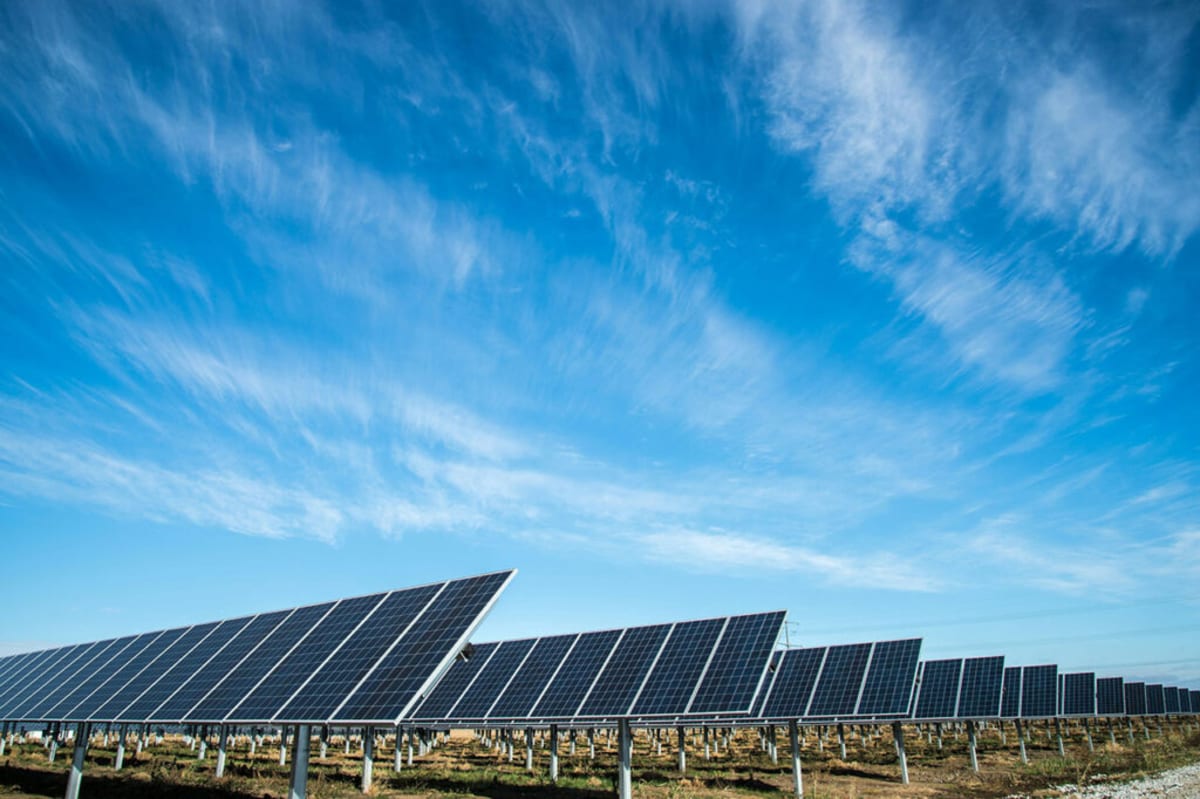
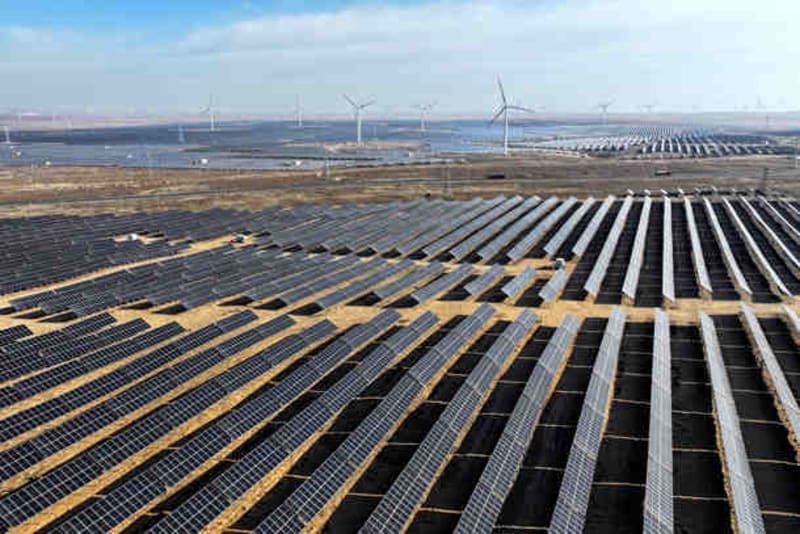
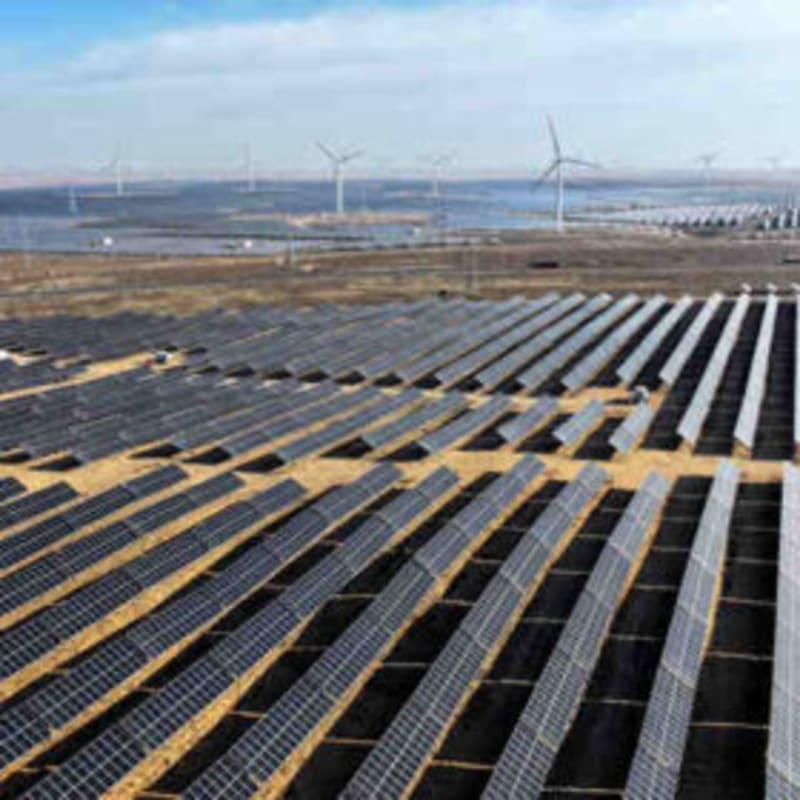
CHN Energy just completed a 4 GW solar farm built directly on top of collapsed mining land in Ningxia, a region scarred by years of coal extraction. The facility now generates enough clean electricity to power 7.2 million households annually.
The Lingwu project spans 120 square kilometers of land that was previously unusable. Coal mining had caused the ground to collapse and sink, creating vast stretches of abandoned terrain. Instead of leaving it as wasteland, engineers designed special mounting structures that work on the unstable ground.
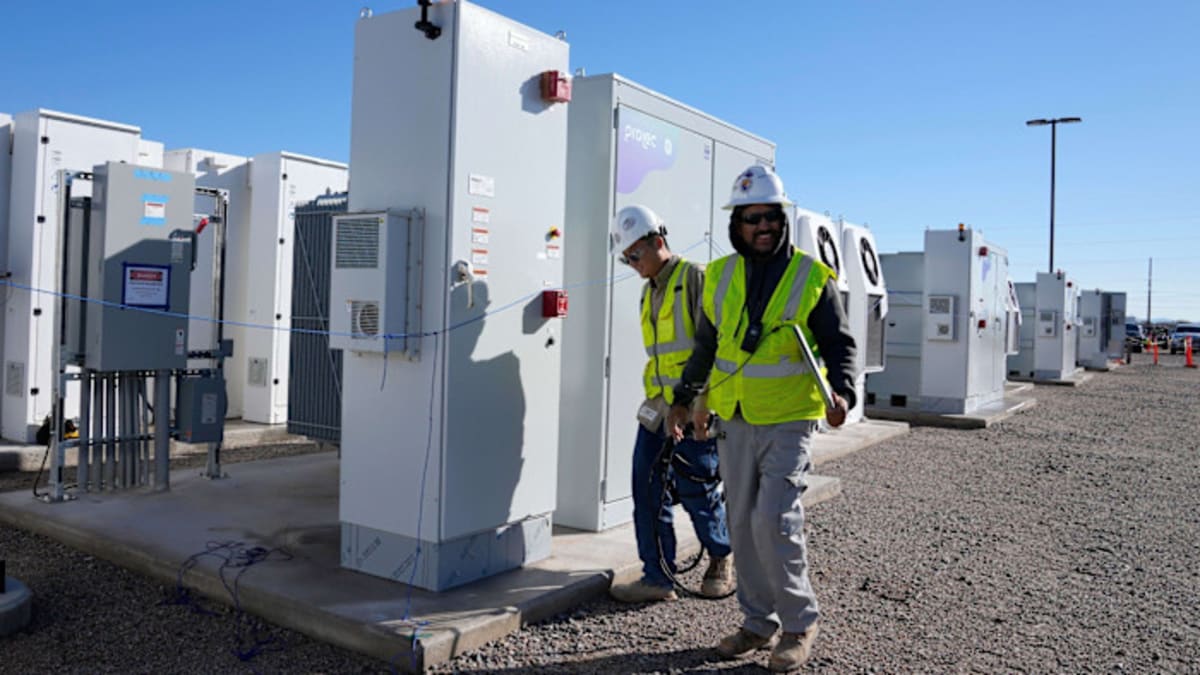
The solar farm includes 400 MW of battery storage already operational, with plans to expand to 600 MW. Automated systems clean the panels using drones, while monitoring equipment tracks ground movement to ensure safety.
What makes this project unusual is how it connects to the power grid. Rather than building entirely new transmission infrastructure, engineers expanded an existing coal plant's substation. This approach saves costs and speeds up deployment for future renewable projects.
The electricity travels 1,800 kilometers east through an ultra high voltage transmission line, bringing clean power from western deserts to coastal cities. The project generates about 10.8 terawatt hours annually, replacing roughly 3.24 million tons of coal each year.
The Ripple Effect
This project represents a blueprint that China plans to replicate across its western regions. The country designated these solar farms as part of its "desert, Gobi and wasteland" renewable initiative, targeting areas too damaged or remote for traditional development.
The approach solves two problems simultaneously. It generates massive amounts of clean energy while reclaiming land that would otherwise remain environmental scars for generations. Engineers even designed the layout to allow vegetation recovery and grazing between solar panel rows.
Other coal mining regions worldwide face similar challenges with subsided land. This project demonstrates that collapsed mining areas can become valuable energy assets rather than permanent liabilities. The technical adaptations for unstable terrain could apply to abandoned mining sites across Asia, Europe, and North America.
The Ningxia project also shows how renewable energy can integrate with existing infrastructure rather than requiring complete grid overhauls. By bundling solar output with nearby coal plants for stability, the system maintains reliability while dramatically increasing clean energy percentages.
Land that once symbolized environmental destruction now powers millions of homes without emissions, proving that even the most damaged landscapes can contribute to a cleaner future.
More Images

Based on reporting by PV Magazine
This story was written by BrightWire based on verified news reports.
Spread the positivity!
Share this good news with someone who needs it