China Unveils 8,000-Year Pottery and Bronze Age Treasures
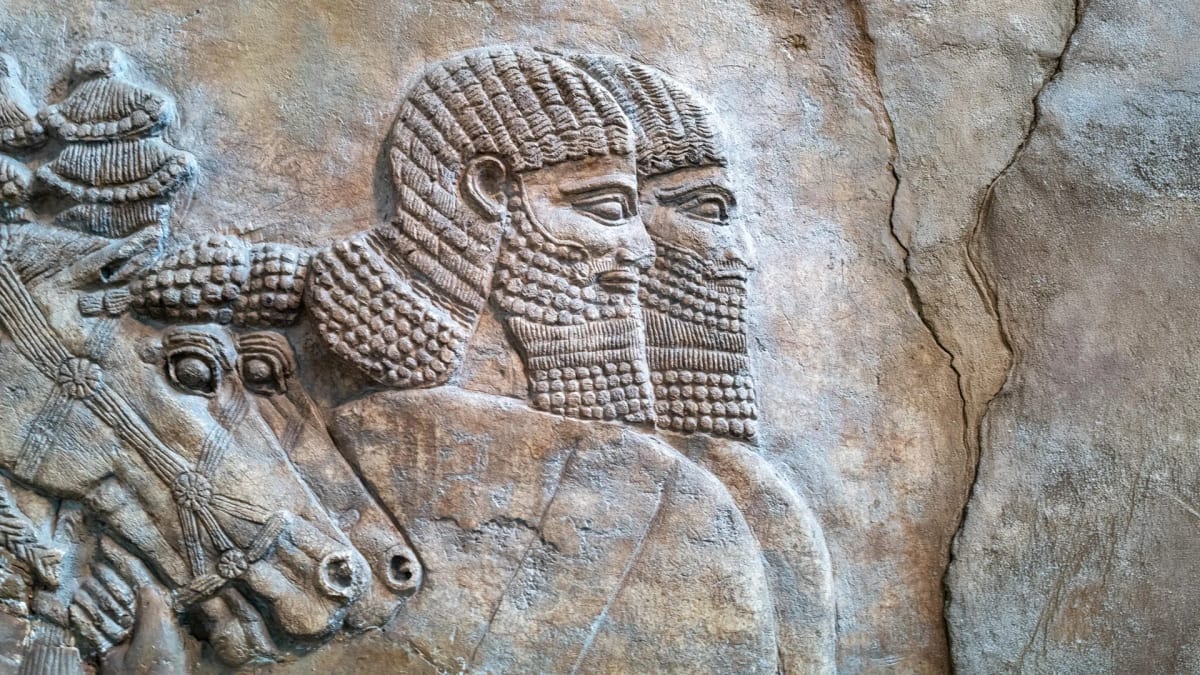
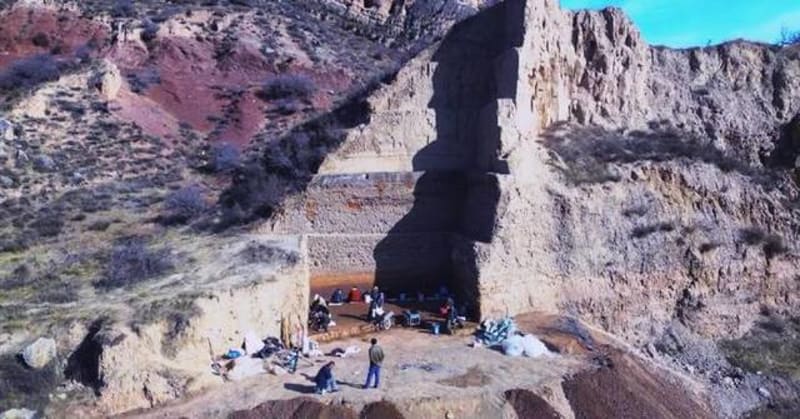
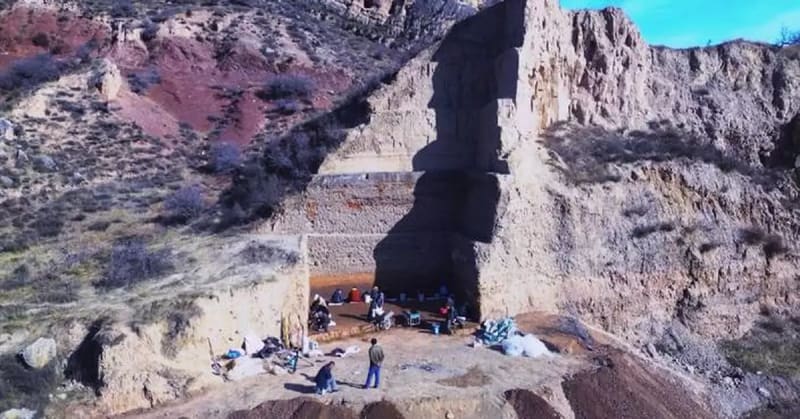
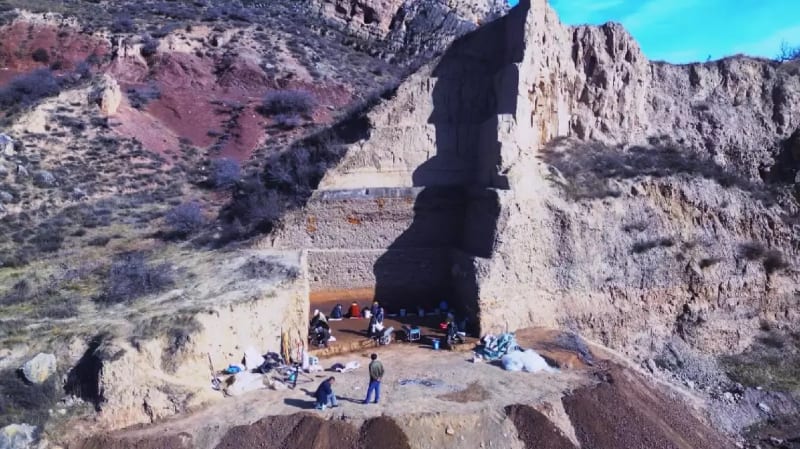
Chinese archaeologists revealed six major discoveries spanning 120,000 years of human history, including 8,000-year-old pottery sculptures and some of China's earliest bronze artifacts. The findings offer fresh insights into how ancient civilizations evolved, traded, and thrived across northern China and Xinjiang.
Imagine holding pottery crafted by human hands 8,000 years ago, carved with fangs and faces that hint at ancient spiritual beliefs. That's exactly what archaeologists in China just unveiled as part of six groundbreaking discoveries announced this week in Beijing.
The Chinese Academy of Social Sciences revealed findings that span an incredible timeline, from 120,000 years ago to the Tang Dynasty. Each site tells a unique story about how early humans lived, created, and connected across vast distances.
The oldest discovery comes from Hebei Province's Xinmiaozhuang Site, where researchers found human remains dating back 120,000 years. These bones provide rare, systematic evidence of how modern humans evolved in northern China over millennia.
At the Peiligang Site in Henan Province, excavations uncovered something truly remarkable: pottery sculptures featuring human faces with fangs, housed inside a multi-room building structure. Dating back 8,000 to 7,500 years, these artifacts offer a window into the spiritual world of Neolithic communities.
In Xinjiang's Wenquan County, the Husta Site delivered a Bronze Age surprise. Already known for yielding one of China's earliest bronze artifacts (a tin-bronze knife from around 1600 BC), new excavations revealed two tombs from the Sui and Tang dynasties, showing how the site remained culturally significant for thousands of years.
The Langyatai Site in Qingdao proved historical records weren't exaggerating. After six years of excavation, archaeologists confirmed a massive 45,000-square-meter mountaintop complex that matches ancient texts describing Emperor Qinshihuang's eastern tours, demonstrating the engineering prowess of China's early dynasties.
Perhaps most striking was the Badam East cemetery in Turpan, where a Tang Dynasty tomb contained painted wooden couches, coffins, and screens. Many artifacts represent the first discovery of their kind, vividly illustrating how different ethnic groups exchanged ideas and lived together during the Tang Dynasty.
The Ripple Effect
These discoveries do more than fill museum cases. They're rewriting our understanding of ancient trade routes, cultural exchange, and human migration patterns across Asia. The bronze artifacts and Tang Dynasty finds show that thousands of years ago, diverse communities were already sharing technologies, artistic styles, and spiritual practices across vast distances.
Stone tombs at the Zhengjiagou Site in Hebei, dating between 5,300 and 4,800 years ago, add crucial evidence to studies of Hongshan culture and Neolithic traditions. Each finding connects to others, building a more complete picture of human innovation.
These treasures prove that ancient civilizations were far more sophisticated, connected, and creative than we often imagine.
More Images


Based on reporting by Google: archaeological discovery
This story was written by BrightWire based on verified news reports.
Spread the positivity!
Share this good news with someone who needs it
%2Fhttps%3A%2F%2Ftf-cmsv2-smithsonianmag-media.s3.amazonaws.com%2Ffiler_public%2F15%2F3b%2F153b5427-10f9-4ad6-b039-8823a36efc6f%2Fhd100065orig.jpg)