China's Clean Energy Boom Reshapes Global Power Landscape
As nations race to escape fossil fuel dependency after Middle East supply disruptions, China's renewable energy expertise is powering a worldwide transition to cleaner grids. The shift could dramatically reduce global carbon emissions while transforming which countries lead the energy economy.
When the Strait of Hormuz closed in April 2026, countries that imported Middle East oil faced an immediate crisis that's now sparking a clean energy revolution.
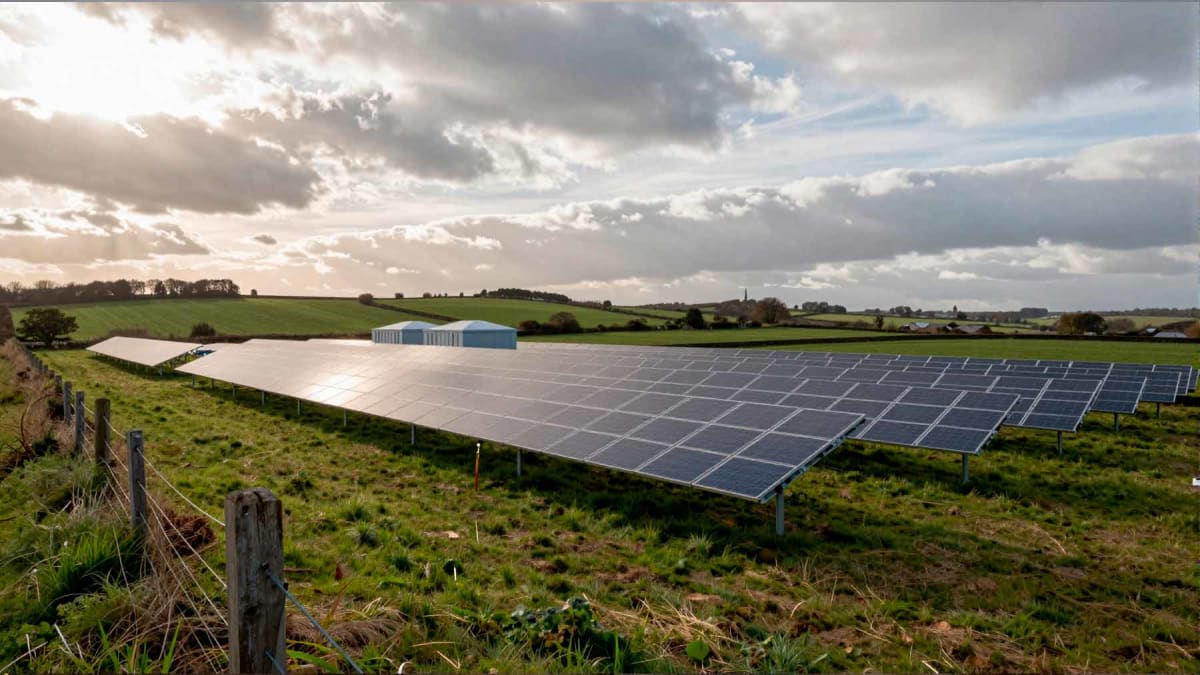
The Philippines declared an energy emergency within days, having imported 98 percent of its oil from the region. Rather than scramble for new fossil fuel sources, the country fast-tracked permits for solar and wind projects that previously took months to approve.
"This is not theory, this is actually happening on the ground now," said developer Rahul Agrawal as his renewable energy permits arrived in mere days instead of the usual lengthy wait.
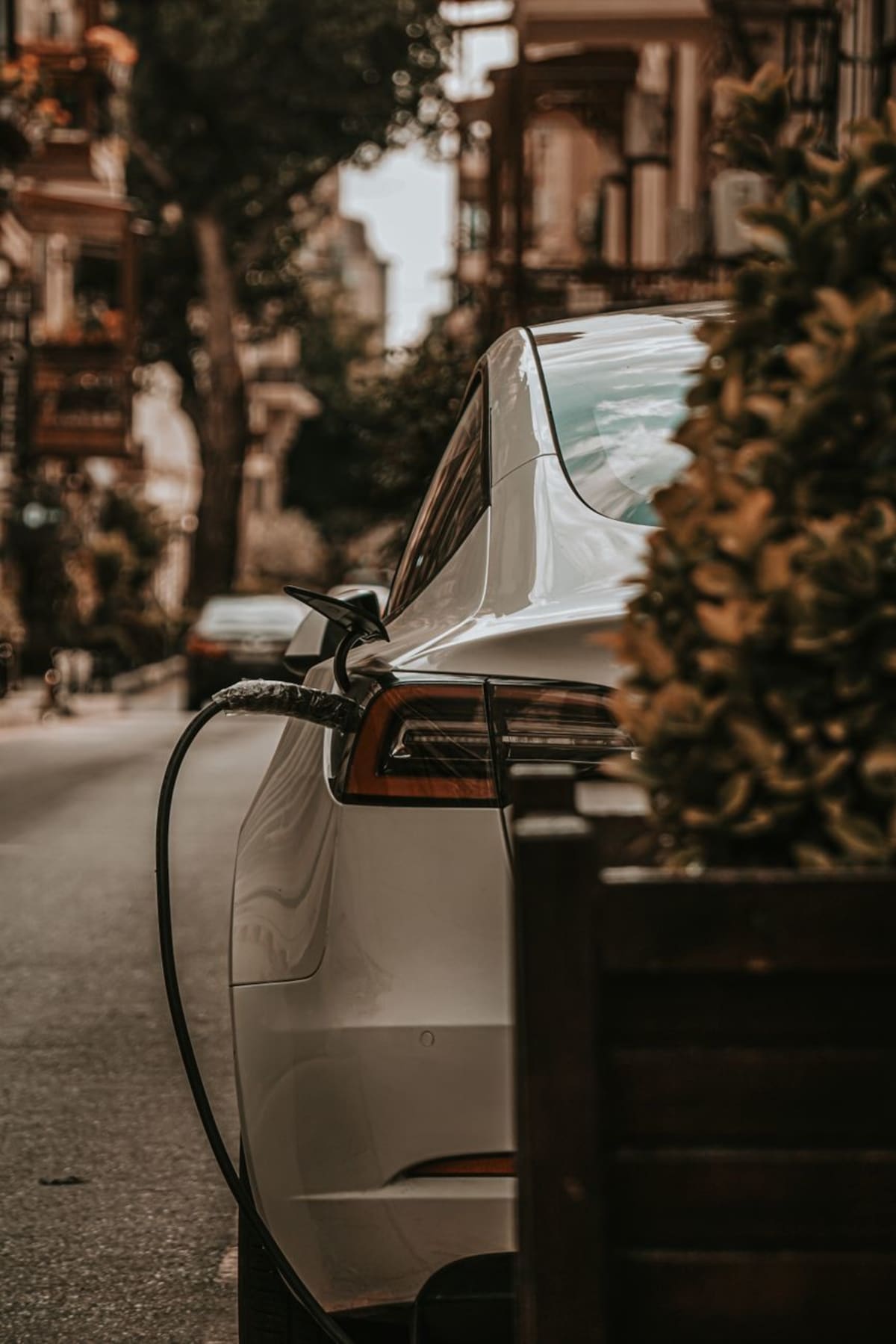
Countries worldwide are following the same pattern. They're accelerating plans to build solar farms, wind turbines, battery storage systems, and electric vehicle infrastructure at speeds never before seen.
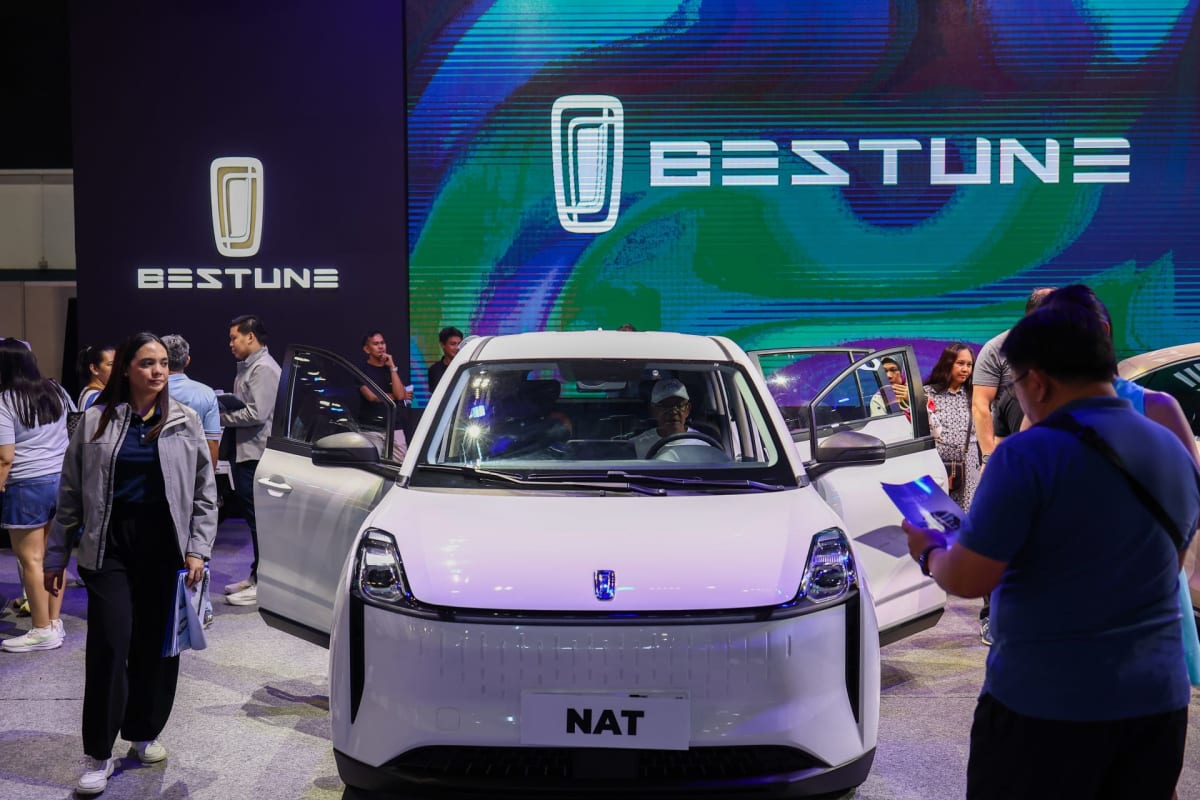
China stands ready to meet this surge in demand. The country produces about 70 percent of the world's critical mineral refining and dominates manufacturing of solar panels, lithium batteries, and electric vehicles.
Beyond hardware, China has spent two decades building out its own electrical grid and now exports that expertise globally. Chinese firms are already building and managing entire regional grids across South America and southern Europe.
The Bright Side
This rapid shift away from oil carries genuine climate benefits. Electric vehicles produce fewer emissions than gas-powered cars, even when accounting for battery production.
Grid-scale batteries let countries store solar and wind power for use when the sun isn't shining or wind isn't blowing. This makes renewable energy far more practical for powering entire nations around the clock.
The Philippines isn't alone in its energy transformation. Historic U.S. allies across Asia and beyond are choosing energy independence through renewables over continued fossil fuel imports.
China's investment in next-generation energy technology keeps growing. The government announced 150 large-scale demonstration projects for new energy technologies in 2024 and 2025 alone.
Chinese scientists now lead in high-quality research publications and patents for clean energy innovations. The country's latest five-year plan prioritizes technologies like green hydrogen and clean aluminum production.
Some developing nations are effectively leapfrogging the fossil fuel era entirely. Much like they skipped landline phones and went straight to mobile networks, these countries are building electrical grids and charging stations instead of gas pipelines and fuel stations.
The transition isn't perfect. Rising electricity demand means some countries still rely on coal power in the short term. But the infrastructure being built today will support cleaner energy for decades to come.
What started as a supply crisis is accelerating a cleaner energy future faster than most experts predicted possible.
More Images


Based on reporting by Google News - Clean Energy
This story was written by BrightWire based on verified news reports.
Spread the positivity!
Share this good news with someone who needs it