China's Green Energy Boom Now Bigger Than Canada's Economy
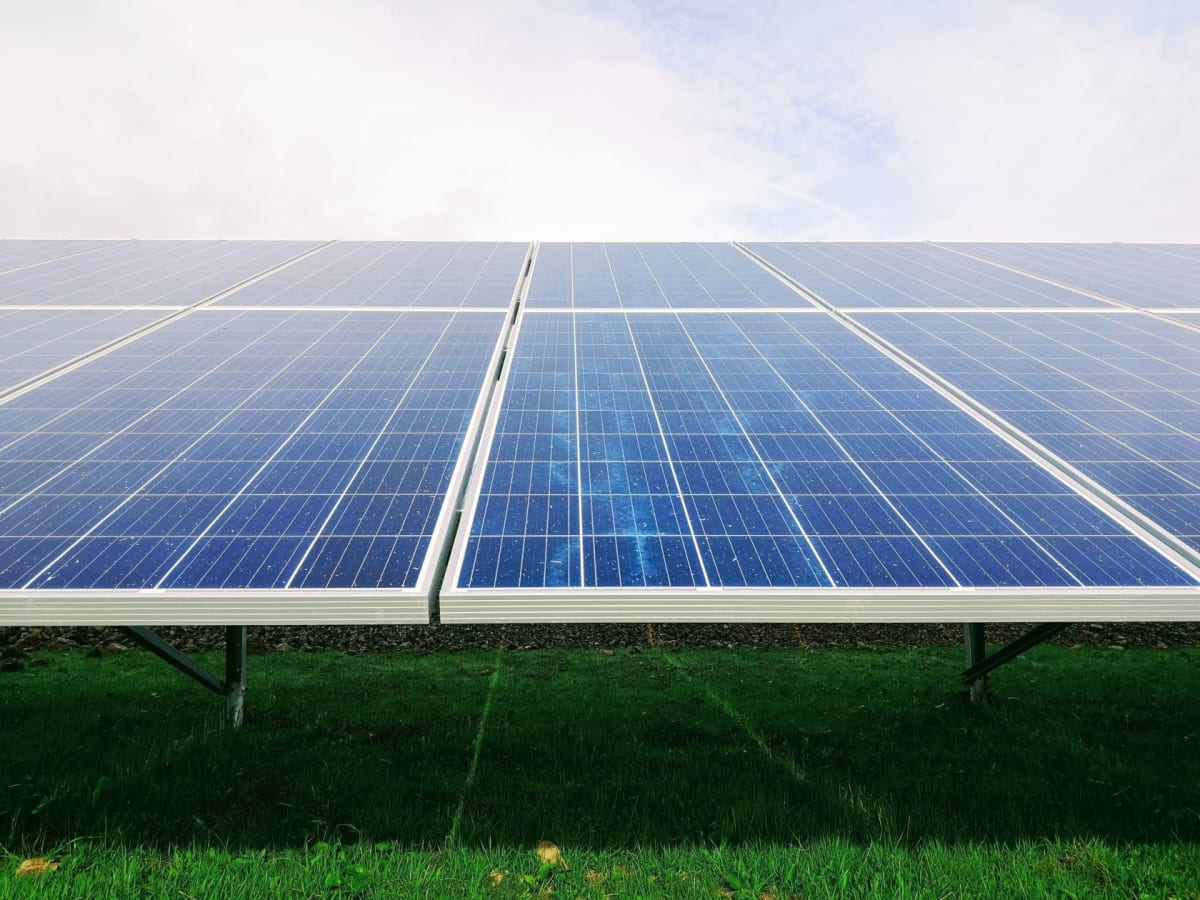
China's clean energy sector nearly doubled in three years, reaching $2.2 trillion in 2025 and driving over 90% of the country's investment growth. Solar power is set to overtake coal in China for the first time in 2026, marking a potential global turning point in the fight against climate change.
The world's biggest manufacturer just proved that going green can power an entire economy.
China's clean energy industries generated a record $2.2 trillion in business last year, making the sector bigger than Brazil's or Canada's entire economy. The boom in batteries, electric vehicles, solar panels, and wind turbines drove more than 90% of the country's investment growth and accounted for over a third of its economic expansion.
The numbers tell a remarkable transformation story. Between 2022 and 2025, China's clean energy sector nearly doubled in real value. These industries now make up 11.4% of China's GDP, up from just 7.3% three years ago.
Without clean energy, China would have missed its 5% annual growth target by a wide margin. The country has become so dependent on renewable technology that it's no longer just changing how electricity gets made but rewiring its entire infrastructure and transportation system.
Most of this massive expansion is happening at home. China's rollout of wind and solar has recently been double that of the rest of the world combined, meeting surging domestic demand for cleaner power.
Battery technology saw the most spectacular growth, with increasingly efficient systems powering both electric vehicles and grid storage upgrades. Electric cars alone contributed significantly to the sector's success, transforming Chinese cities and highways.
The impact is spreading globally too. Thanks to China's manufacturing scale, the International Energy Agency credits solar power with providing "the cheapest electricity in history." Countries across Africa and the Global South can now afford solar installations that seemed impossible just years ago.
"In a lot of other countries things are accelerating," said Lauri Myllyvirta, lead author of the analysis from the Centre for Research on Energy and Clean Air. "EVs are just starting to be bought in places where no one had an EV breakthrough on their bingo card for last year or maybe not even this decade."
The Ripple Effect spreads beyond economics. If the world's largest greenhouse gas emitter continues moving away from fossil fuels at this pace, it may have already hit peak carbon emissions. That would mark a crucial turning point for global climate efforts, making worldwide carbon reduction targets suddenly more achievable.
Solar power is set to overtake coal in China for the first time in 2026. After decades of coal dominance, clean energy has won on cost, scale, and air quality.
The transition isn't complete yet. Coal remains a powerful political force in China, with developers proposing 161 gigawatts of new coal plants last year. The government's upcoming five-year plan will reveal whether China doubles down on its clean energy momentum or hedges its bets with continued coal investment.
But the economic case is clear: renewable energy is driving real growth, creating enormous value, and making clean power affordable worldwide.
More Images


Based on reporting by Guardian Environment
This story was written by BrightWire based on verified news reports.
Spread the positivity!
Share this good news with someone who needs it