China's Largest Solar-Hydrogen Plant Powers 200K Homes
China just completed the world's largest solar-hydrogen-storage facility, combining a massive coastal solar farm with green hydrogen production and battery storage. The innovative project can power nearly 200,000 homes while producing clean fuel and restoring coastal wetlands.
A groundbreaking clean energy project in eastern China is proving that solar power, hydrogen fuel, and environmental restoration can work hand in hand.
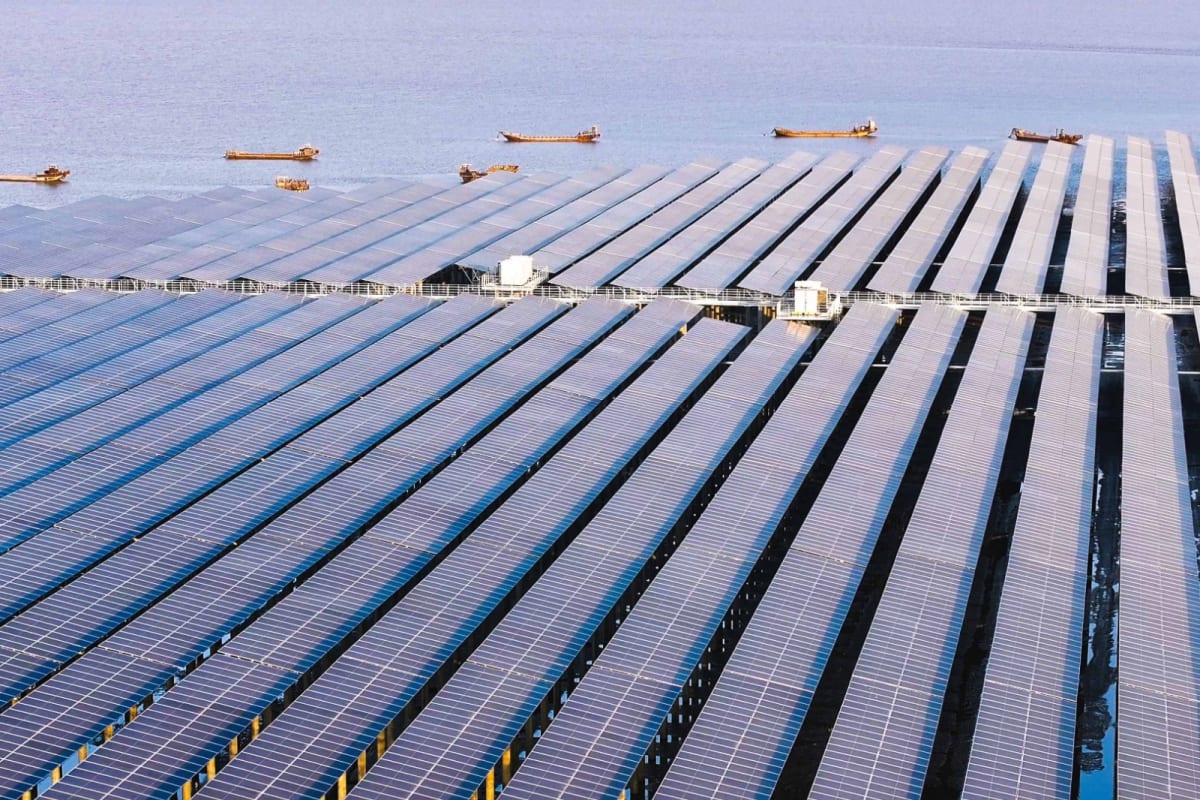
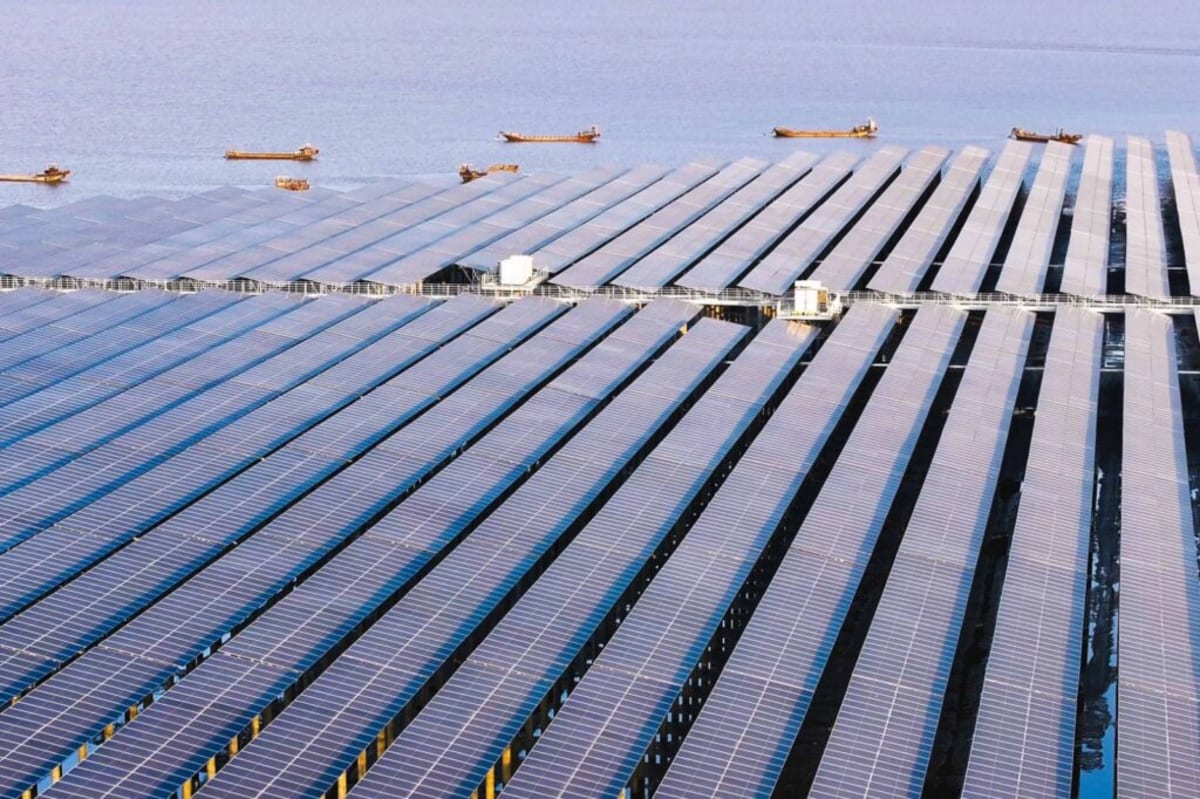
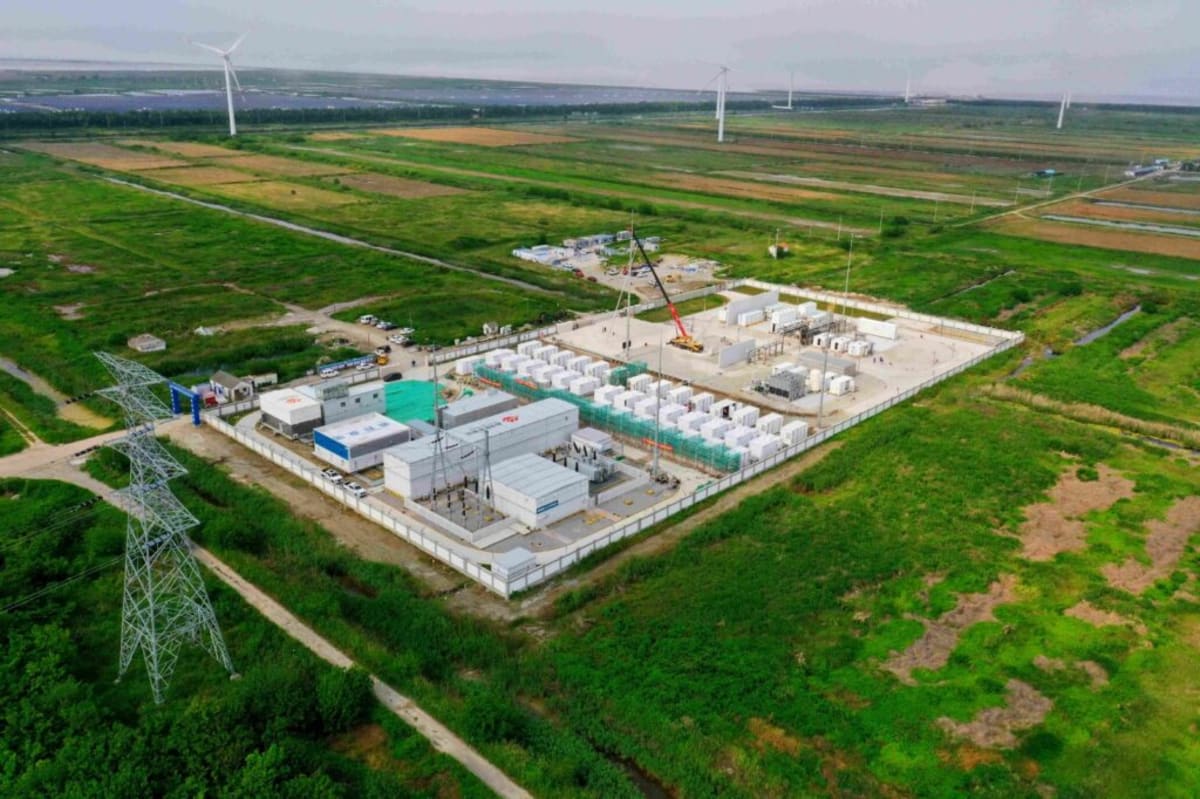
China Energy Investment Corp completed construction of the Guohua Rudong integrated facility in Jiangsu province this month. The coastal project combines a 400-megawatt solar farm, battery storage, and a hydrogen production plant into one unified system.
The solar facility generates enough electricity to power nearly 200,000 households each year. When the sun shines brightest, excess energy flows directly through an underwater cable to the hydrogen production facility, which will produce 482 tons of clean hydrogen annually once it opens in August.
The setup is remarkably efficient. At peak solar output, just one-fortieth of the plant's hourly generation can run the entire hydrogen facility at full capacity.
Battery storage smooths out the ups and downs of solar power throughout the day. This ensures the hydrogen facility receives steady, reliable electricity without straining the public power grid.
The project sits on reclaimed tidal flats near Yangkou Port. Rather than simply building on this coastal land, developers integrated ecological restoration into their plans.
The Ripple Effect
The facility demonstrates how large-scale renewable energy can support multiple goals at once. It generates clean electricity for homes, produces green hydrogen fuel for vehicles and industry, and proves these systems can work together commercially rather than just in laboratories.
The hydrogen refueling station can supply 500 kilograms of fuel daily for trucks and buses. This creates a complete loop from sunlight to stored energy to usable fuel, all without burning fossil fuels.
The coastal location serves another purpose beyond space. The project includes wetland restoration across 4.3 square kilometers, helping to control invasive Spartina alterniflora plants while rebuilding natural habitats alongside the energy infrastructure.
By connecting renewable power generation, storage, and hydrogen production into one integrated system, the facility offers a blueprint for similar projects worldwide. It shows that clean energy solutions work better when designed to complement each other.
China classified this as part of its third batch of large-scale wind and solar power bases. The real innovation isn't just the 400-megawatt capacity but how all the pieces fit together in a single commercial demonstration.
This integrated approach could help solve one of renewable energy's biggest challenges: what to do with surplus electricity when the sun shines brightest and demand is low.
More Images


Based on reporting by PV Magazine
This story was written by BrightWire based on verified news reports.
Spread the positivity!
Share this good news with someone who needs it