China's New AI Model Outperforms GPT in Science Tasks
Scientists in China just unveiled an AI that's beating leading models like GPT in specialized research tasks, from discovering new materials to identifying rare stars. The tool is already helping researchers complete work in hours that used to take weeks.
Imagine an AI assistant that can review a year's worth of scientific papers in three hours, then design experiments to test new theories. That's exactly what Chinese researchers just made possible.
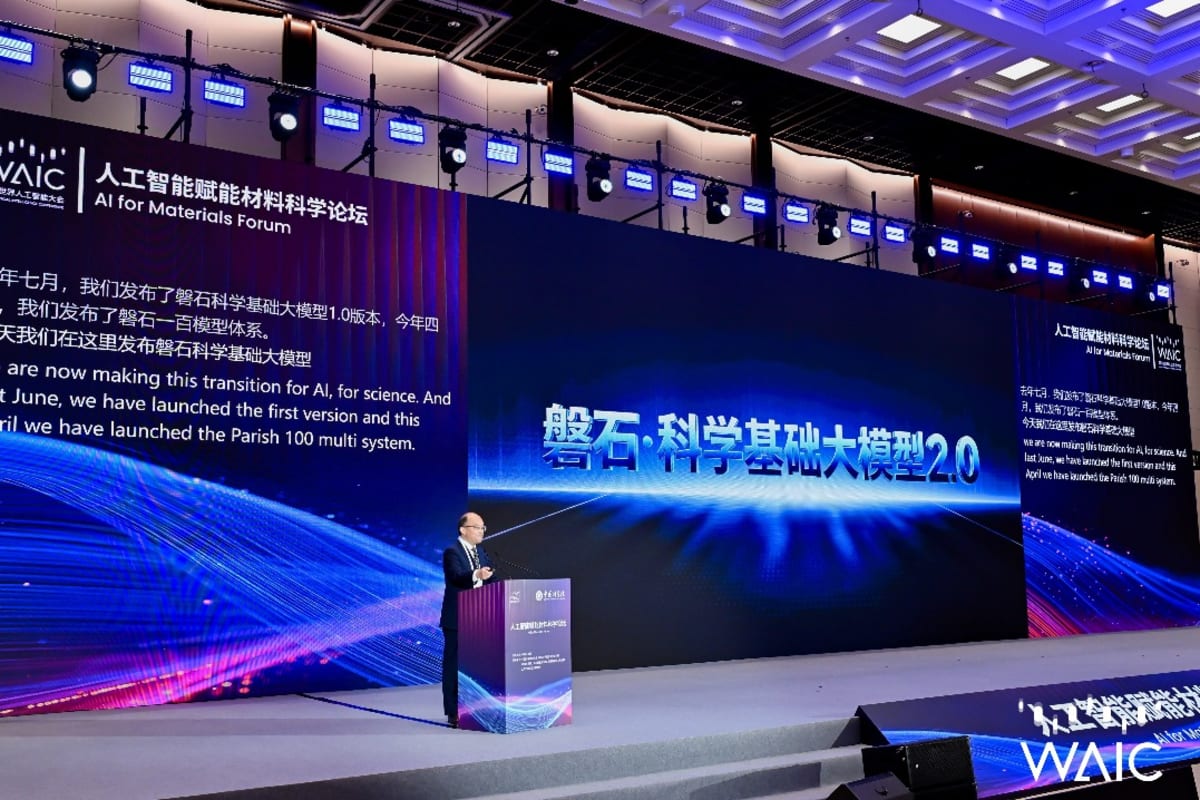
The Chinese Academy of Sciences revealed ScienceOne Omni this week at the World Artificial Intelligence Conference in Shanghai. This upgraded AI foundation model is specifically built to accelerate scientific discovery across multiple disciplines, from chemistry to astronomy.
What makes this AI different is how it thinks like a scientist. The system was trained on 8 million high-quality scientific reasoning samples covering more than 200 research tasks. It learned to mirror how real researchers approach problems, breaking them down into verifiable steps rather than just pattern matching.
The results speak for themselves. In head-to-head testing across more than 60 professional research tasks, ScienceOne Omni outperformed flagship models like Gemini 3.1-Pro and GPT-5.5 on most benchmarks. It achieved particularly impressive results predicting chemical properties, converting spectral data into molecular structures, and forecasting protein behavior.
The practical applications are already transforming research workflows. A literature review agent built into the system can generate professional-level research reviews in three hours with 90 percent accuracy in citing evidence. It's already produced nearly 40,000 reviews for scientists who previously spent days or weeks on this task.
In astronomy, the AI improved identification of rare celestial objects by around 50 percent at China's National Astronomical Observatories. It now supports the LAMOST telescope, which maintains the world's largest collection of stellar spectral data.
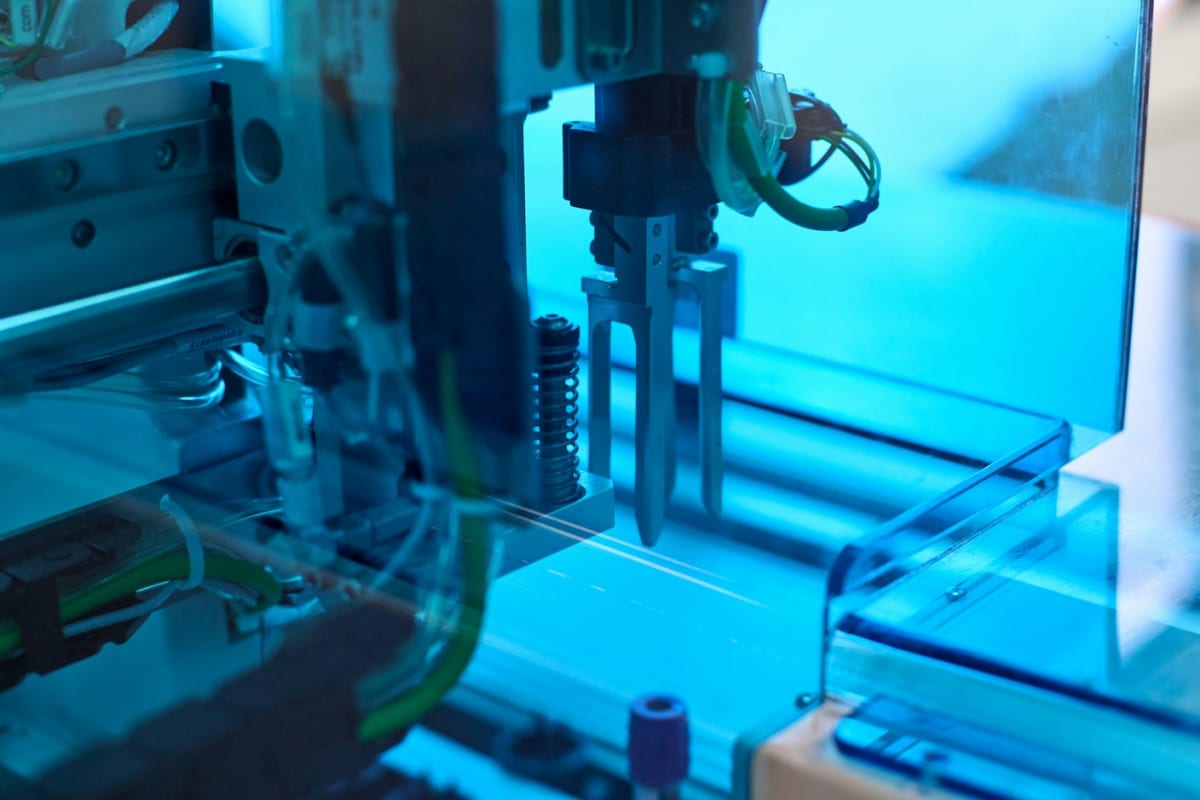
Perhaps most exciting is the chemistry application. The system powers a "machine scientist" that autonomously handles everything from mining research literature to designing experimental synthesis. After screening millions of virtual candidates for new materials, eight of its top 20 suggestions outperformed the previous best material.
The Ripple Effect
More than 50 institutes at the Chinese Academy of Sciences have already adopted ScienceOne Omni, along with over 30 universities, research institutions, and state-owned enterprises. The platform pools scientific datasets with more than 8,000 professional research tools, creating an integrated workspace where AI and human researchers collaborate seamlessly.
The international scientific community is taking notice. The system is expanding globally through UNESCO and the Alliance of International Science Organizations, making cutting-edge AI research tools accessible to scientists worldwide regardless of their institution's resources.
The entire computing architecture runs on domestically developed Chinese chips, including Ascend and Hygon processors. This demonstrates that advanced AI for scientific discovery doesn't require dependence on any single technology ecosystem.
A fluid simulation tool powered by the AI delivers results in 10 seconds with less than 5 percent error, work that previously required significant computing time and manual verification. Scientists can now iterate through dozens of design variations in the time it once took to test one.
The breakthrough shows how AI purpose-built for specific domains can outperform general-purpose models, even impressive ones like GPT, when tackling specialized tasks that require deep expertise.
Based on reporting by Google: scientific discovery
This story was written by BrightWire based on verified news reports.
Spread the positivity!
Share this good news with someone who needs it