China's Space Station Astronauts Harvest Cherry Tomatoes
Astronauts aboard China's Tiangong space station just picked their first crop of cherry tomatoes using a water-saving growing system that could feed future deep space travelers. The success brings humanity one step closer to self-sustaining missions to Mars and beyond.
Astronauts floating 250 miles above Earth just plucked fresh cherry tomatoes from vines they grew themselves, marking a delicious milestone for future deep space exploration.
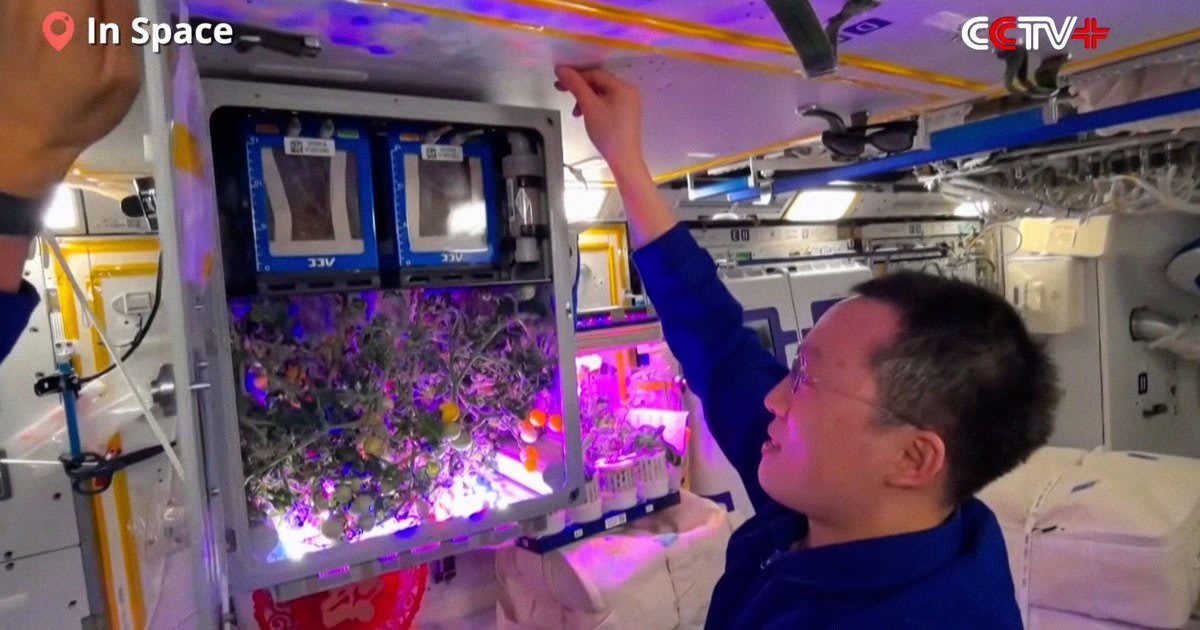
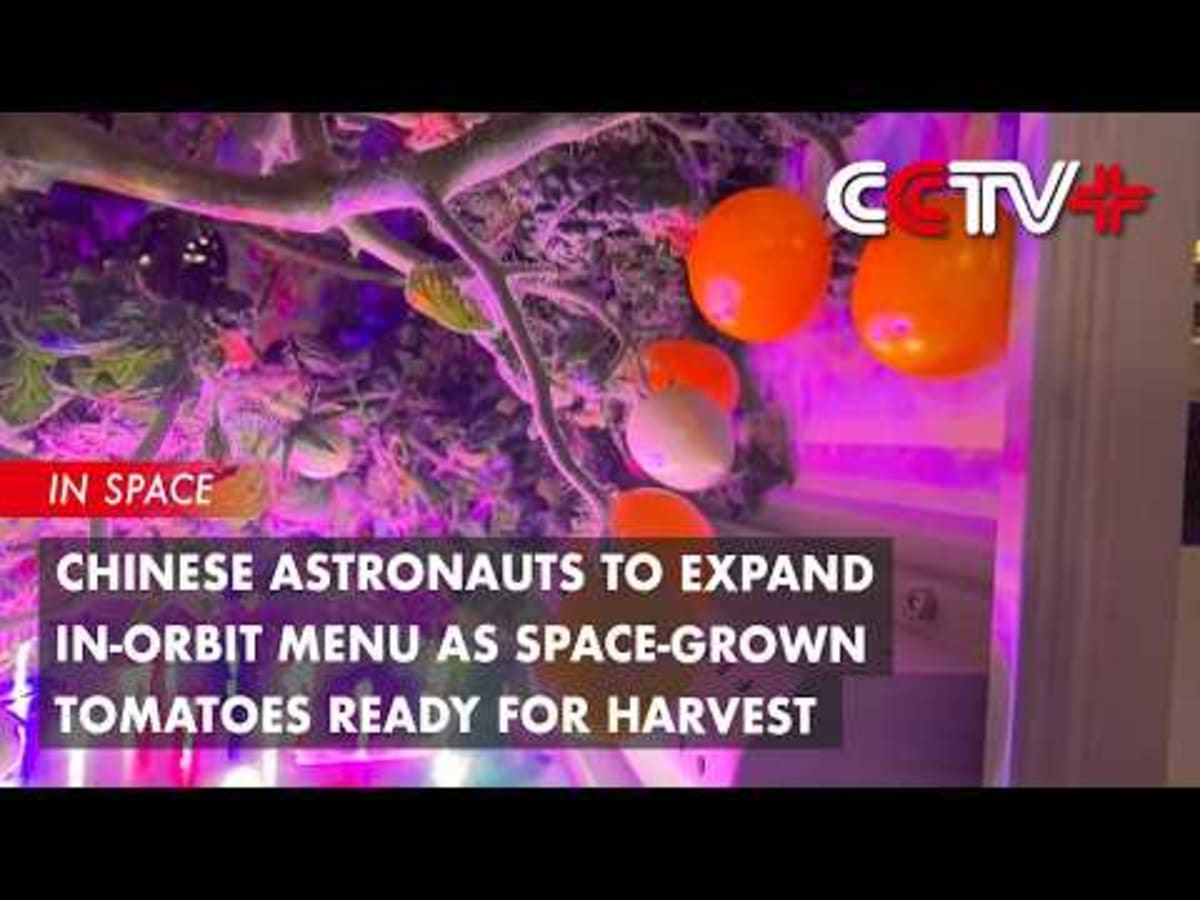
China's Tiangong space station crew harvested a "bumper crop" of red and yellow cherry tomatoes using an innovative aeroponic system that feeds plants with a fine mist of nutrients instead of soil or standing water. The technique uses far less water than traditional growing methods, making it perfect for the resource-limited environment of space.
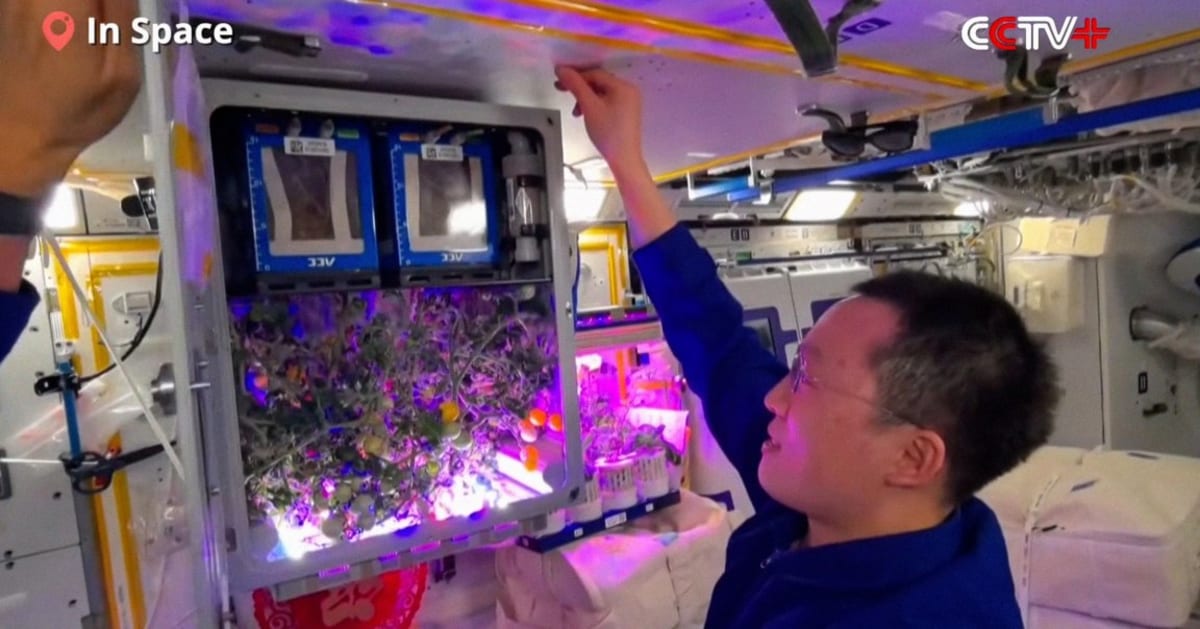
Footage released by Chinese state media shows the excited astronauts inspecting their thriving tomato vines through a box-like growing chamber. Specially designed LED panels provide full-spectrum light while small windows let the crew monitor the roots as they're misted with the nutrient solution.
The Tiangong space station may be smaller than the International Space Station, but its three modules have hosted groundbreaking research since launching five years ago. The T-shaped outpost houses up to six astronauts and features two laboratories dedicated to experiments that could shape humanity's future in space.
This tomato harvest is just the beginning of the station's space farming ambitions. Scientists plan to grow wheat, carrots, and even medicinal plants next to test the limits of orbital agriculture and develop reliable food sources for missions to Mars and other distant destinations.
NASA astronauts have been growing similar crops aboard the ISS for years, studying how plants adapt to spaceflight and sustain themselves in microgravity. One NASA-grown tomato even went missing for nearly a year before astronauts found its shriveled remains in 2023, finally exonerating astronaut Frank Rubio who'd been jokingly accused of eating the evidence.
The Ripple Effect: Beyond solving the practical challenge of feeding astronauts on multi-year journeys through space, these orbital gardens provide unexpected psychological benefits. NASA reports that tending plants in space boosts crew morale and quality of life, offering astronauts a calming connection to Earth and the satisfaction of nurturing living things in an otherwise sterile metal environment.
The successful harvest proves that humans can grow fresh food hundreds of miles from home, bringing interplanetary exploration closer to reality one cherry tomato at a time.
More Images
Based on reporting by Futurism
This story was written by BrightWire based on verified news reports.
Spread the positivity!
Share this good news with someone who needs it