China's Spacecraft Reaches Earth's Mystery 'Quasi-Moon
China's Tianwen-2 spacecraft just arrived at a tiny asteroid that dances alongside Earth in a rare quasi-moon orbit. The mission will collect samples and solve the mystery of whether this strange space rock is actually a chunk of our own moon.
A Chinese spacecraft just reached one of the strangest objects in our cosmic neighborhood, and what it discovers could rewrite what we know about our own moon.
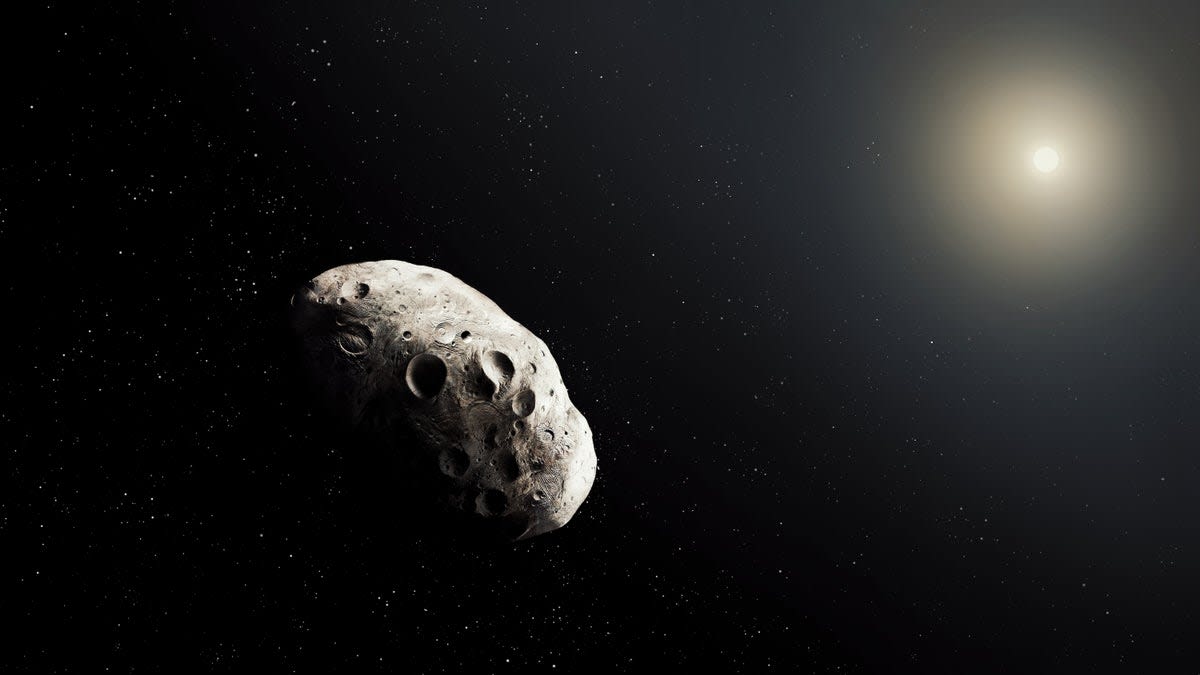
China's Tianwen-2 mission successfully rendezvoused with Kamo'oalewa, a mysterious asteroid smaller than a soccer field that orbits the sun in sync with Earth. Amateur astronomers in Germany and the Netherlands tracked the crucial maneuver over the weekend, confirming the spacecraft is now closing in on its target.
Kamo'oalewa is no ordinary space rock. It's one of only seven known quasi-moons, bodies that loop around Earth in a cosmic dance while actually orbiting the sun. At just 40 to 100 meters wide and spinning once every 28 minutes, this tiny world has puzzled scientists since its discovery.
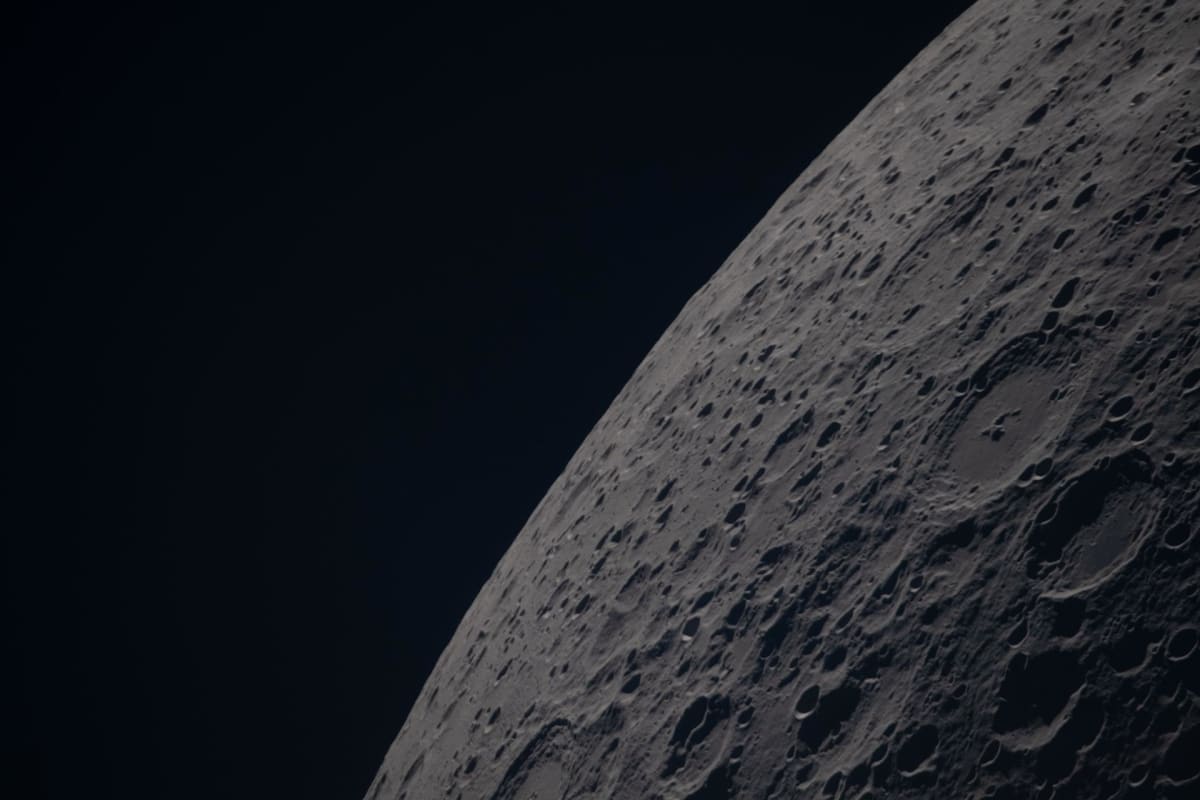
The big question: Where did it come from? Some researchers believe Kamo'oalewa might actually be a piece of our own moon, blasted into space by an ancient impact. Its reddish appearance matches lunar rocks perfectly, and scientists think it could have broken off from the moon's far side within the last 10 million years.
But others aren't convinced. Statistical models suggest it's 10 times more likely the asteroid wandered inward from the main asteroid belt between Mars and Jupiter. If a chunk this large really came from the moon so recently, it would be remarkably unusual.
Over the next four weeks, Tianwen-2 will map the asteroid's surface and prepare to collect samples using three different methods. The spacecraft can touch and go like previous missions, hover and scoop with a robotic arm, or anchor itself and drill for material.
The Ripple Effect
This mission represents more than solving one asteroid's origin story. When Tianwen-2 returns samples to Earth in 2027, scientists will finally know if Kamo'oalewa is a lunar fragment or an asteroid impostor.
If it's from the moon, researchers will gain crucial insights into impact physics and how debris moves through the solar system. If it's from the asteroid belt, the discovery would reveal how extreme space weathering changes an asteroid's appearance over time, helping scientists better classify other reddened space rocks.
The mission also marks a major milestone for China's space program, demonstrating the autonomous navigation and precision maneuvering needed for future deep space exploration. These same techniques will help guide missions to Mars and beyond.
Every asteroid mission has brought surprises, and Kamo'oalewa promises to be no exception. Whether it proves to be a moon fragment or an interplanetary traveler, this tiny world is about to teach us something profound about our place in the solar system.
More Images



Based on reporting by Scientific American
This story was written by BrightWire based on verified news reports.
Spread the positivity!
Share this good news with someone who needs it