China's Wind Giant Brings AI Energy to Canada
A Chinese billionaire has cracked the code on making renewable energy cheaper than coal using AI. Now he's bringing that technology to Canada's wilderness to solve our energy crisis.
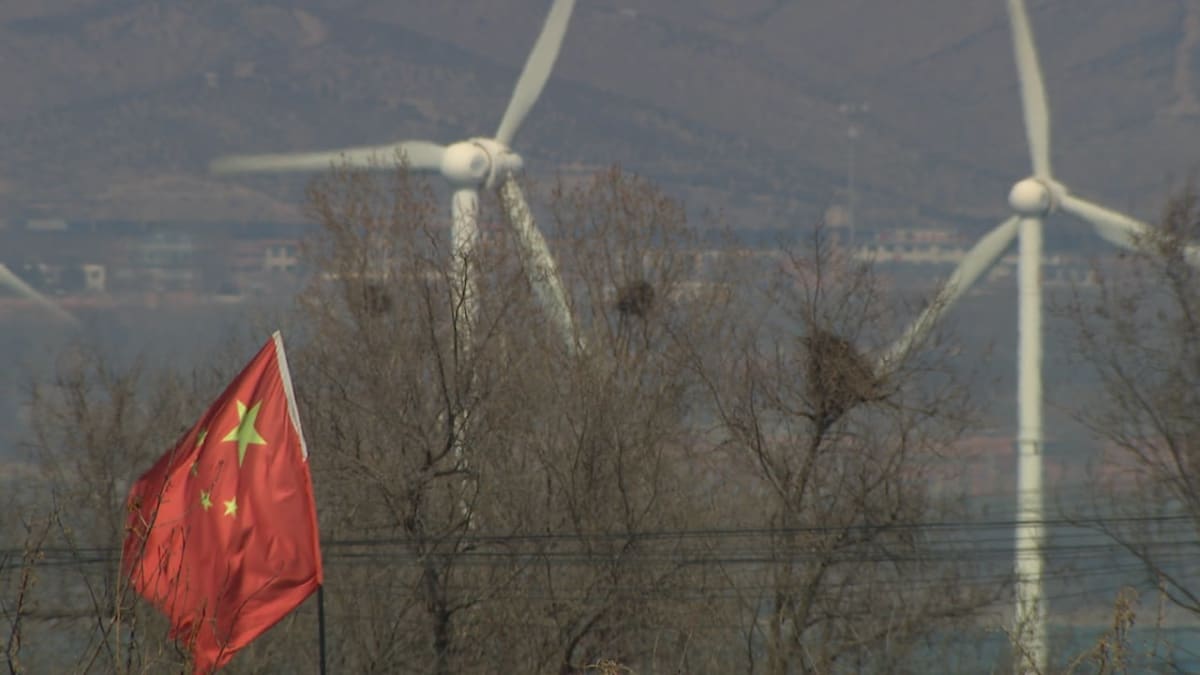
For the first time in history, China has more wind and solar power capacity than coal. The breakthrough isn't just about building more turbines. It's about AI making renewable energy actually work.
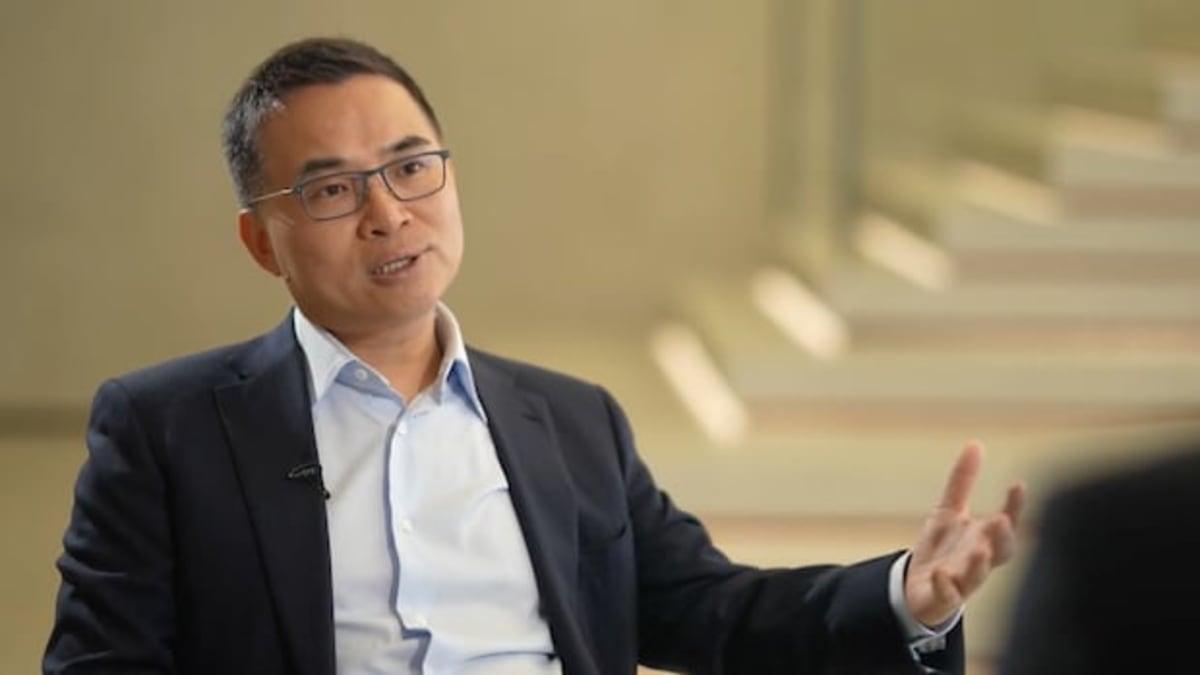
Lei Zhang, founder of Envision Energy and the world's second-largest wind turbine maker, says his company has figured out how to make green energy outperform fossil fuels. The secret is artificial intelligence that can predict weather patterns two weeks ahead and balance power grids in milliseconds.
"No human is able to do that," Zhang told CBC News at his Shanghai headquarters.
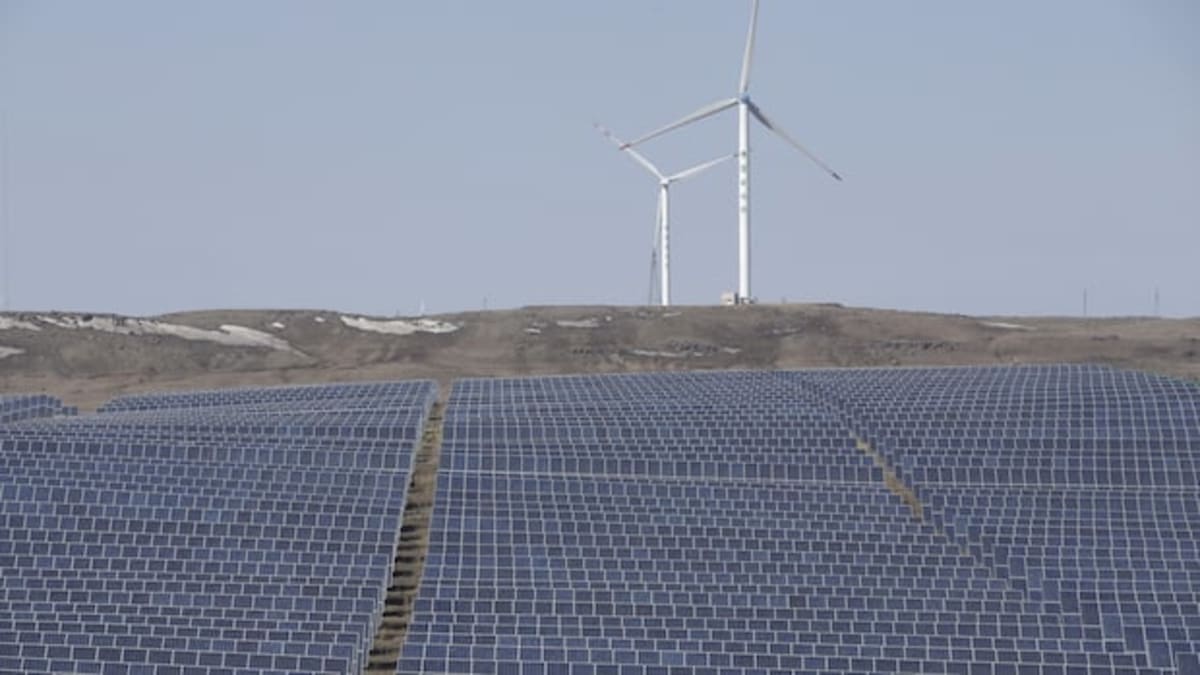
His flagship project sits on the edge of the Gobi Desert in Inner Mongolia. The massive off-grid facility uses AI to manage 1.4 gigawatts of wind turbines, producing hundreds of thousands of tonnes of clean hydrogen annually. The cost of this renewable power has dropped more than 90 percent in recent decades, making it cheaper to build new solar and wind plants than to keep old coal facilities running.
Now Zhang wants to replicate this model across Canada's vast wilderness. He's already discussed plans directly with Prime Minister Mark Carney during his January visit to China.
"As long as the wind is blowing, the answer is in the wind," Zhang said.
The Bright Side
Canada faces a massive energy challenge over the next 15 years as the country plans to double its power grid. Zhang's technology could solve that problem while creating opportunities for remote regions to become clean energy hubs. The AI systems can manage off-grid facilities that bypass aging transmission infrastructure entirely.
Prime Minister Carney confirmed Canada is open to Chinese partnerships in energy storage and offshore wind during his Beijing visit. "That creates tremendous opportunities," he said.
Several Canadian provinces are already in advanced discussions with Envision, though Zhang hasn't disclosed which ones yet. Multiple AI data centres in China have already started using power from the Gobi Desert facility, proving the concept works at scale.
Zhang compares the renewable energy revolution to Chinese paper-making technology from a thousand years ago. "By providing such technology, we are able to make the cost of knowledge very low and everybody is able to share that knowledge," he explained.
The technology could provide Canada with abundant, inexpensive renewable energy for generations while helping the country meet its climate goals without sacrificing economic growth.
More Images


Based on reporting by Google News - Clean Energy
This story was written by BrightWire based on verified news reports.
Spread the positivity!
Share this good news with someone who needs it