China's Wind Power Bet Now Powers 10% of Nation's Grid
China's massive investment in wind energy is paying off as turbines now generate 10% of the country's electricity, potentially lowering clean energy costs worldwide. The nation built both the turbines and the infrastructure to deliver power from windy regions to cities.
China's years-long gamble on wind energy is finally showing results that could benefit people far beyond its borders.
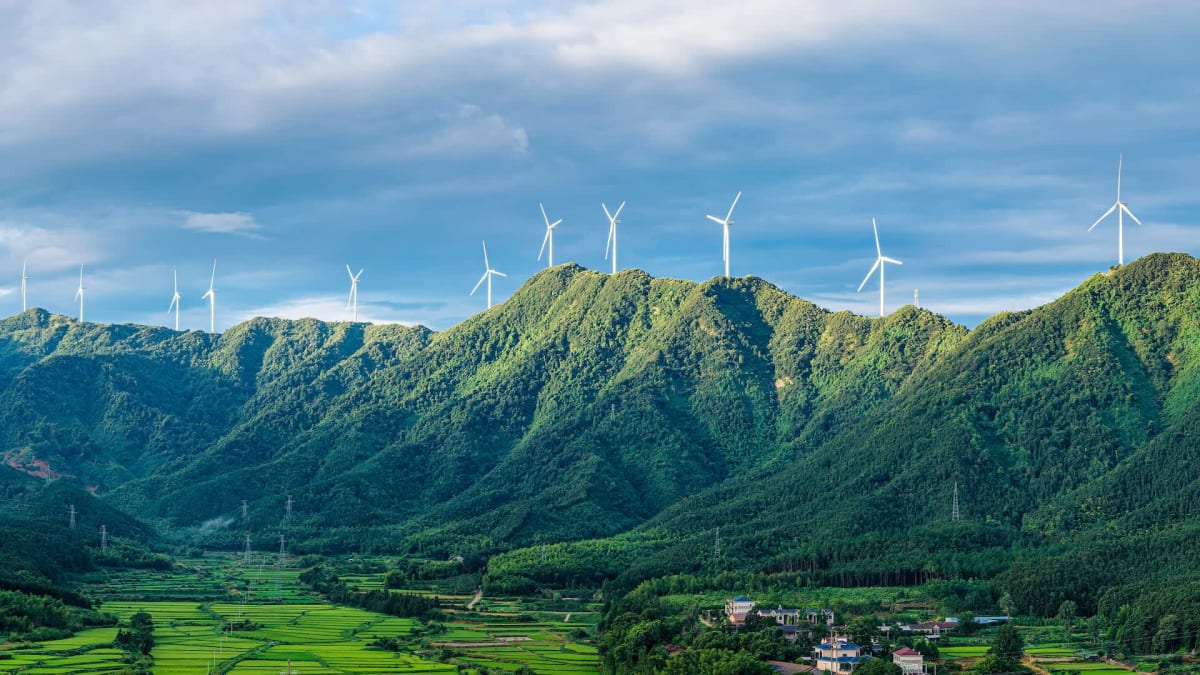
After pouring resources into turbine manufacturing, sprawling wind farms, and thousands of miles of transmission lines, China now generates clean electricity at a scale few countries can match. Wind power made up 10% of the nation's electricity last year, while coal's share keeps dropping from its current 50%.
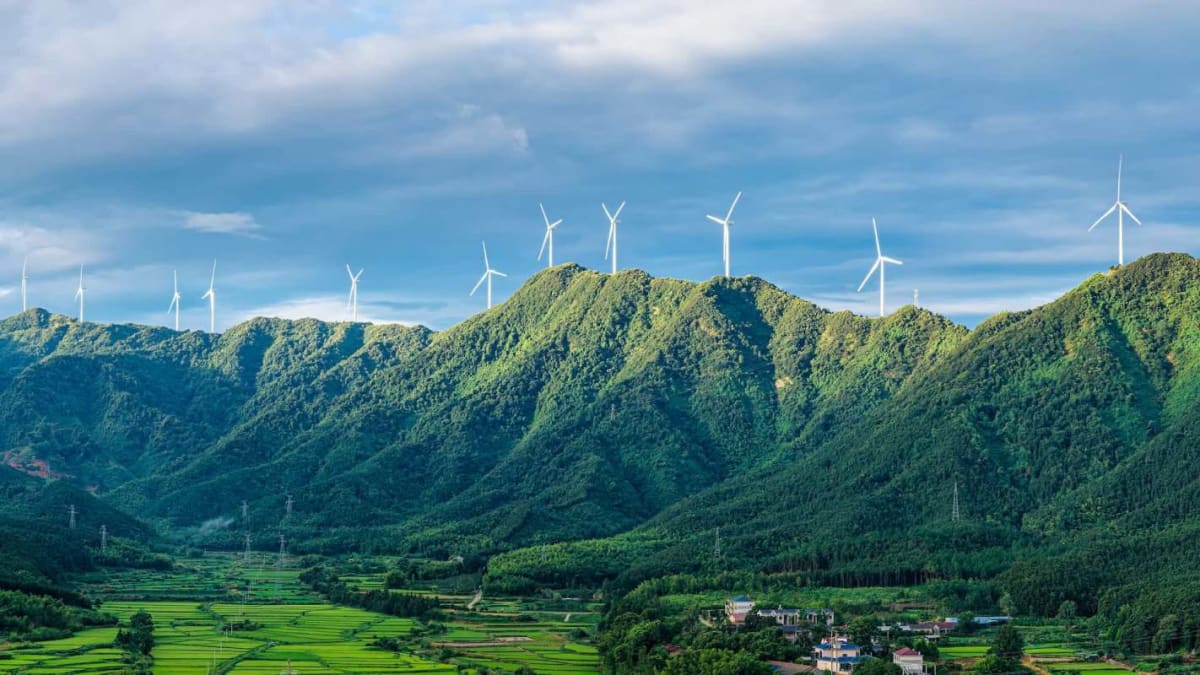
What makes China's approach different is how all-in it went. The country didn't just install turbines as a side project. It built six of the world's largest turbine manufacturers, created massive wind farms both on land and offshore, and expanded grid infrastructure to move electricity from windy regions to population centers.
The strategy makes sense for China's specific challenges. As the world's largest importer of oil and natural gas, the country needed to reduce its dependence on fuel markets that can spike in price. Recent conflicts in Iran have only reinforced why relying on imported fossil fuels leaves countries vulnerable.
President Xi Jinping highlighted this advantage recently, saying the country's "pioneering development of wind power and solar technology has proved to be forward-looking" amid ongoing global energy uncertainty.
The benefits extend beyond energy security. Wind power helps reduce air pollution linked to respiratory illness and other health problems. It also cuts the heat-trapping emissions driving more extreme weather around the globe.
The Ripple Effect
When one country manufactures and deploys clean energy technology at massive scale, it helps drive down costs everywhere. Chinese manufacturers can now produce turbines quickly and affordably, potentially making wind power more accessible for other nations looking to transition away from fossil fuels.
That global cost reduction matters for communities worldwide trying to adopt renewable energy. Lower turbine prices mean more cities and countries can realistically plan wind projects that might have been too expensive just a few years ago.
The country still faces major energy challenges, including its continued coal dependence. Some manufacturers have hit roadblocks too. Britain blocked one Chinese company from installing offshore turbines in March, though China's Ministry of Commerce argued the decision hurt British economic development and citizens' wellbeing.
Still, the momentum shows that large clean energy investments don't have to stay theoretical. With enough manufacturing capacity, planning, and grid upgrades, ambitious policy goals can become everyday electricity powering homes and businesses.
More Images



Based on reporting by Google News - Wind Energy
This story was written by BrightWire based on verified news reports.
Spread the positivity!
Share this good news with someone who needs it