China's Xinjiang Plant Ends Reliance on Imported Ethylene Tech
A massive petrochemical facility in western China just became fully operational using 99% domestically produced equipment, breaking decades of dependence on foreign technology. The milestone could reshape global supply chains for plastics and reduce carbon emissions through electric-powered production.
China just flipped the script on one of the chemical industry's biggest technology gaps, and the implications reach far beyond one factory.
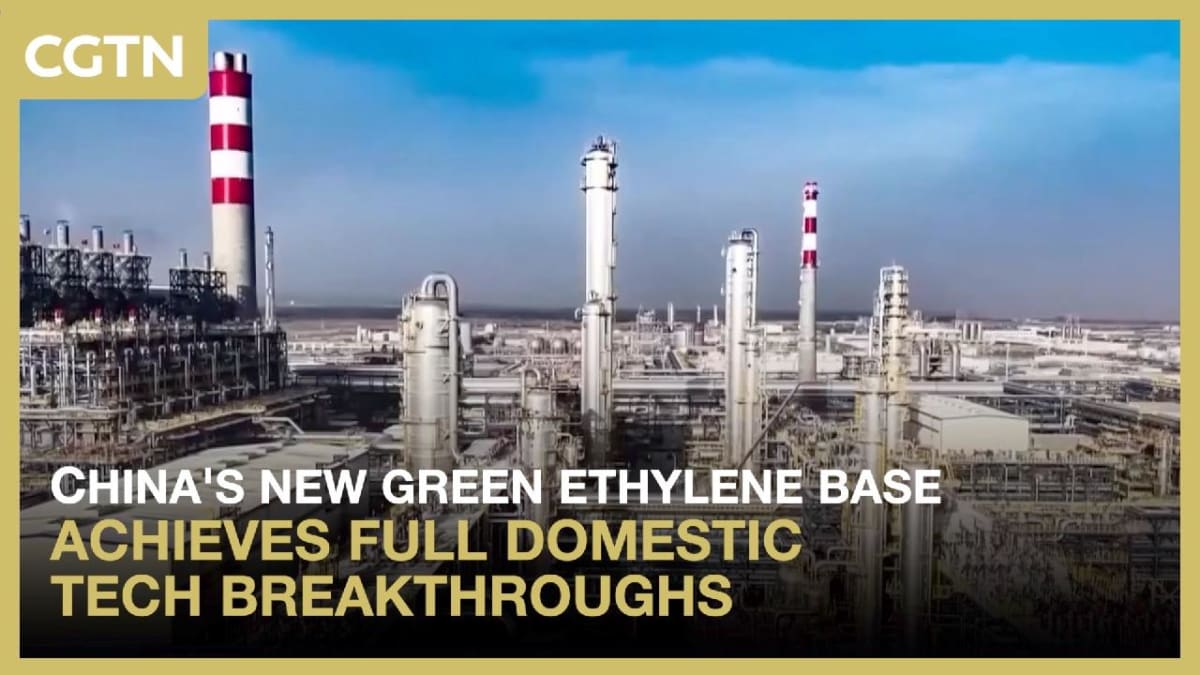
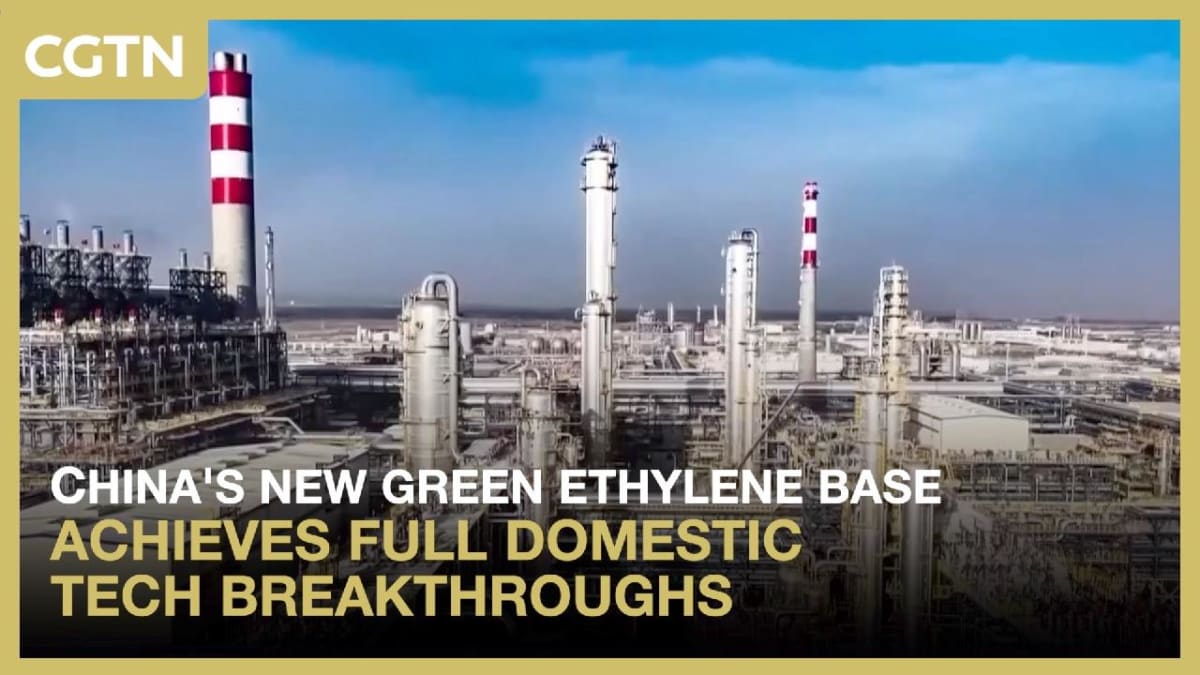
The Dushanzi Petrochemical complex in Xinjiang has reached full operation, pushing the facility's annual ethylene production capacity past 3 million tonnes. That makes it the largest ethylene production base in China's central and western regions.
But the real breakthrough isn't the size. It's what's inside.
The facility runs on 99% domestically produced equipment, ending China's longstanding reliance on imported core ethylene technology. For decades, countries producing plastics, textiles, and countless everyday materials depended on specialized equipment from a handful of global suppliers.
Ethylene is one of the world's most important chemicals, serving as the building block for everything from food packaging to medical devices. Global production exceeds 200 million tonnes annually, making any shift in how it's manufactured genuinely significant.
The Dushanzi plant introduces innovations that address both supply chain vulnerabilities and environmental concerns. Engineers designed the facility around all-electric drive systems rather than traditional fossil-fuel-powered processes, cutting carbon emissions during production.
This matters because petrochemical manufacturing ranks among the most energy-intensive industrial processes. Switching to electric systems powered by renewable energy could dramatically reduce the sector's climate impact over time.
The technology fills what Chinese engineers describe as "multiple domestic industry gaps." While the original reporting doesn't specify every innovation, the achievement suggests Chinese manufacturers can now produce the specialized compressors, crackers, and control systems that previously required imports.
The Ripple Effect
The implications extend beyond national pride or self-sufficiency talking points.
When countries develop domestic alternatives to imported technology, it typically accelerates innovation as new competitors enter the market. More manufacturers competing means more experimentation with efficiency improvements and cost reductions.
For the plastics and materials industries, diversified supply chains reduce vulnerability to trade disruptions. The past several years have shown how quickly global shortages can ripple through interconnected supply networks.
The environmental technology matters too. If all-electric, low-carbon ethylene production proves commercially viable at this scale, it creates a template other facilities worldwide could adopt. Cleaner production methods become more attractive when someone else has already solved the engineering challenges.
Xinjiang's location in western China also signals infrastructure development in regions historically less industrialized than coastal areas. Large-scale chemical production requires massive amounts of energy, water, skilled workers, and transportation networks.
The shift toward electric drive systems positions the facility to take advantage of renewable energy expansion. Western China has substantial solar and wind resources, though matching intermittent renewable generation with continuous industrial processes requires sophisticated grid management.
Whether this technology gets exported remains an open question. China has increasingly positioned itself as both a manufacturer and exporter of industrial technology, particularly in areas touching climate and energy.
For now, the achievement represents what engineers call "technology independence." The facility no longer depends on foreign suppliers for critical equipment or proprietary processes.
That independence matters during global uncertainty. It also matters for the thousands of workers whose jobs depend on the facility continuing to operate regardless of international trade conditions.
The project shows how industrial innovation increasingly focuses on both production efficiency and environmental performance, not choosing between them.
More Images
Based on reporting by Google News - Tech Breakthrough
This story was written by BrightWire based on verified news reports.
Spread the positivity!
Share this good news with someone who needs it