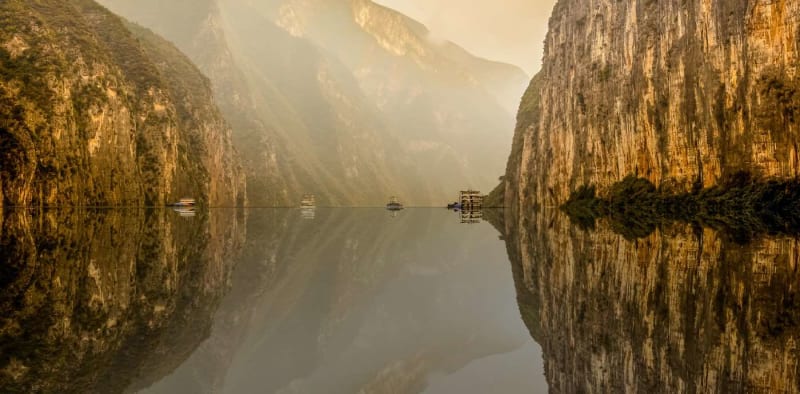
China's Yangtze River Triples Fish After 10-Year Ban
The Yangtze River's fish population has tripled just five years into a decade-long fishing moratorium that relocated 200,000 fishermen with full support. The $2.7 billion restoration is reversing 70 years of ecological damage to one of the world's mightiest rivers.
One of the world's greatest rivers is roaring back to life after decades of decline, proving that bold conservation efforts can reverse even massive environmental damage.
China's Yangtze River has seen fish populations triple in just five years, halfway through an unprecedented 10-year fishing ban. The dramatic recovery includes threatened species like the Yangtze finless porpoise, whose numbers jumped from 445 individuals in 2017 to 595 in 2022.
The turnaround required tough choices. China impounded 110,000 fishing boats and relocated over 200,000 people who depended on the river for their livelihoods. But instead of abandoning these communities, the government invested $2.7 billion in compensation and job retraining programs to ensure no one was left behind.
The third-longest river in the world, the Yangtze had been battered by decades of damming, overfishing, pollution, and industrial dumping. By the early 2000s, it had already lost the Baiji, a freshwater dolphin worshiped as a goddess in Chinese culture. That extinction may have been the wake-up call that sparked this massive restoration.
International teams of freshwater biologists surveyed 57 river sections, comparing conditions before and after the ban. Overall fish biomass rose by 209%, with game fish like bream increasing by 235%. Scientists also documented improvements in water quality, species diversity, and fish body condition across the basin.
The recovery went beyond just stopping fishing. Authorities halted shoreline mining, reduced vessel traffic, mandated water quality improvements, and dismantled hundreds of dams to reconnect isolated habitats. These combined efforts reduced underwater noise pollution and eliminated deadly collisions between boats and porpoises.
The Ripple Effect
The Yangtze's comeback offers a blueprint for healing other degraded rivers worldwide. Researchers say similar comprehensive approaches could reverse ecological decline along the Amazon, Mekong, and other major waterways facing industrial pressures.
Water holds deep cultural significance in China, dating back to 4,000 BCE when societies first organized around water management. The nation's founding myth tells of the Yellow Emperor taming raging rivers, reflecting how these waterways serve as both economic engines and sacred places.
The Three Gorges Dam still poses challenges, blocking fish from reaching historic spawning grounds upstream. This likely caps how much the river can ultimately recover. Still, scientists celebrate the progress as proof that even heavily damaged ecosystems can bounce back when given comprehensive support.
Chen Yushun, a professor at the Institute of Hydrobiology, credits multiple factors for the porpoise recovery: more abundant prey, reduced fishing gear mortality, fewer vessel collisions, and quieter waters. These improvements show how interconnected river health truly is.
The program demonstrates that environmental restoration and human welfare don't have to conflict. By investing in affected communities while protecting nature, China created a model where both people and wildlife can thrive.
Sometimes the mightiest rivers need us to simply step back and let them heal.
More Images


Based on reporting by Good News Network
This story was written by BrightWire based on verified news reports.
Spread the positivity!
Share this good news with someone who needs it