Chinese 3D Printers Make Thai Creators Out of Shoppers
Once reserved for engineers, consumer 3D printers are now landing in Thai homes, classrooms, and creative spaces thanks to accessible Chinese technology. A Bangkok shopping mall store is proving that everyday people can turn digital dreams into physical reality.
In Bangkok's busiest shopping mall, curious shoppers are filming something unexpected: a tiny plastic boat appearing layer by layer on a desktop machine.
The scene at Bambu Lab's first Thailand store shows how far 3D printing has come from its industrial roots. What once required engineering knowledge now fits on a kitchen counter and works with the push of a button.
"I used to think 3D printing was something only professionals could use," said Kung, a Bangkok marketing executive who just ordered her first printer. "Now I realize it's much easier than I imagined."
The shift happened quietly but dramatically. Years ago, operating a 3D printer meant spending more time fixing jammed components than creating anything useful. Today's Chinese-made machines have stripped away the technical barriers.
Thai Tech YouTuber BossKerati, who reaches over 2 million subscribers, noticed the difference immediately. "In the past, I spent more time fixing the printer than creating anything," he said. "Now I simply design a model, send it to print, and leave it overnight."
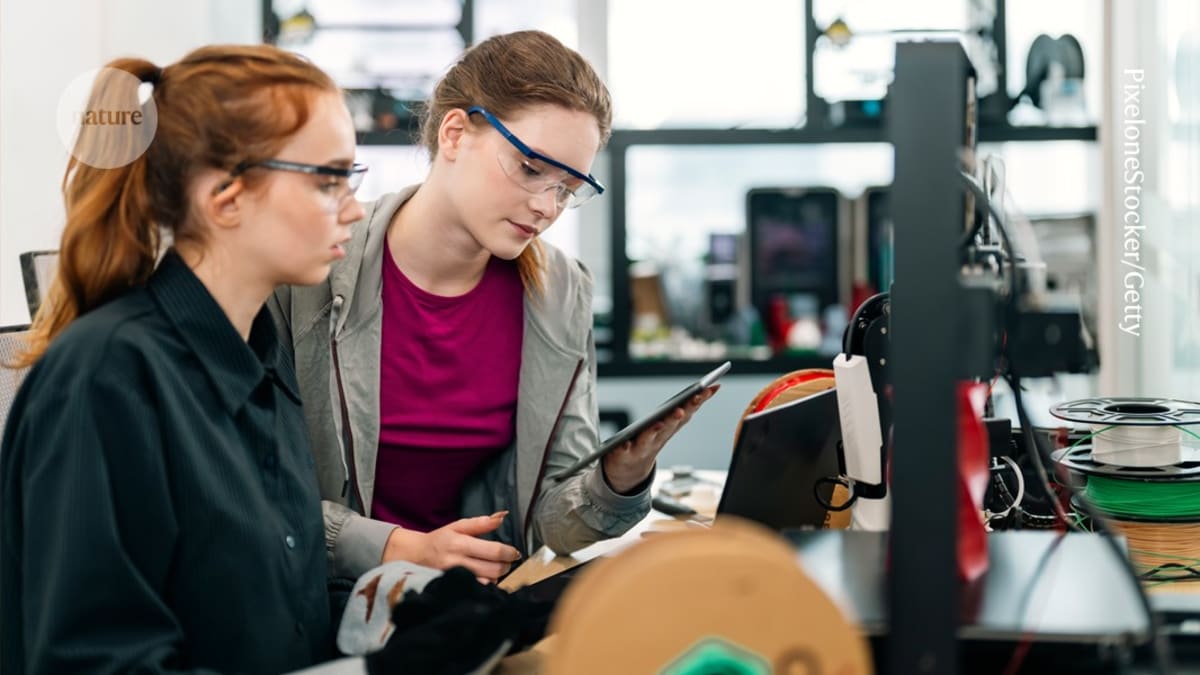
That reliability matters because it changes who can participate. Families are printing custom organizers for their homes. Students are building science projects. Hobbyists are designing personalized gifts that would be impossible to buy in stores.
Sharnon Tulabadi, CEO of 3D Studio and Bambu Lab's Thai retail partner, sees the technology reaching beyond early adopters. His company isn't just selling machines but hosting workshops to help people discover practical applications they never considered.
Thailand has become one of Bambu Lab's fastest-growing Southeast Asian markets, driven by a community eager to experiment with creative technology. The company plans deeper partnerships with Thai schools, businesses, and maker communities.
The Ripple Effect
Next month, a public event at Siam Paragon will let visitors experience the full creative journey from digital design through assembly. It's part of a larger pattern of Chinese innovation moving from factory floors into daily life across Southeast Asia.
The technology is doing more than enabling personal projects. It's building practical skills in design thinking and problem-solving. Students learning to print their own creations develop spatial reasoning and troubleshooting abilities that traditional education sometimes misses.
For Thai creators and entrepreneurs, accessible 3D printing opens doors that were previously locked behind expensive equipment and specialized training. A small business owner can prototype products without hiring a manufacturer. An art student can bring sculptures to life without access to a workshop.
The story unfolding in Bangkok's malls and living rooms shows technology at its best: complex innovation made simple enough that anyone curious can participate, creating connections between countries through shared creative possibility.
More Images

Based on reporting by Regional: thailand innovation (TH)
This story was written by BrightWire based on verified news reports.
Spread the positivity!
Share this good news with someone who needs it